


Over the past 10 years of helping homeowners like you across our service areas design and install inground pools, I've seen the same pattern play out again and again: families fall in love with vinyl liner pools because of that attractive upfront price, then get caught off-guard by costs they didn’t budget for. Real talk? A quote that starts at $30,000 can quickly climb to $50,000 once you factor in decking, permits, soil surprises, and add-ons.
But here’s what I’ve also learned: when you know what to expect and plan ahead, vinyl liner pools are genuinely one of the best ways to get a gorgeous, custom-shaped backyard oasis without breaking the bank. According to HomeGuide, vinyl liners still represent about 65% of all new inground pool installations because homeowners value flexibility and affordability. If you’re a budget-conscious homeowner or a family ready to add serious backyard appeal, this vinyl liner inground pool cost guide will walk you through every cost angle so you can make a confident decision.
Stick with me—I'll show you the real numbers, what drives prices up or down, and how The Premier Pool Co. can help you lock in 2026 pricing with zero surprises.
TL;DR – What Does a Vinyl Liner Inground Pool Cost in 2026?
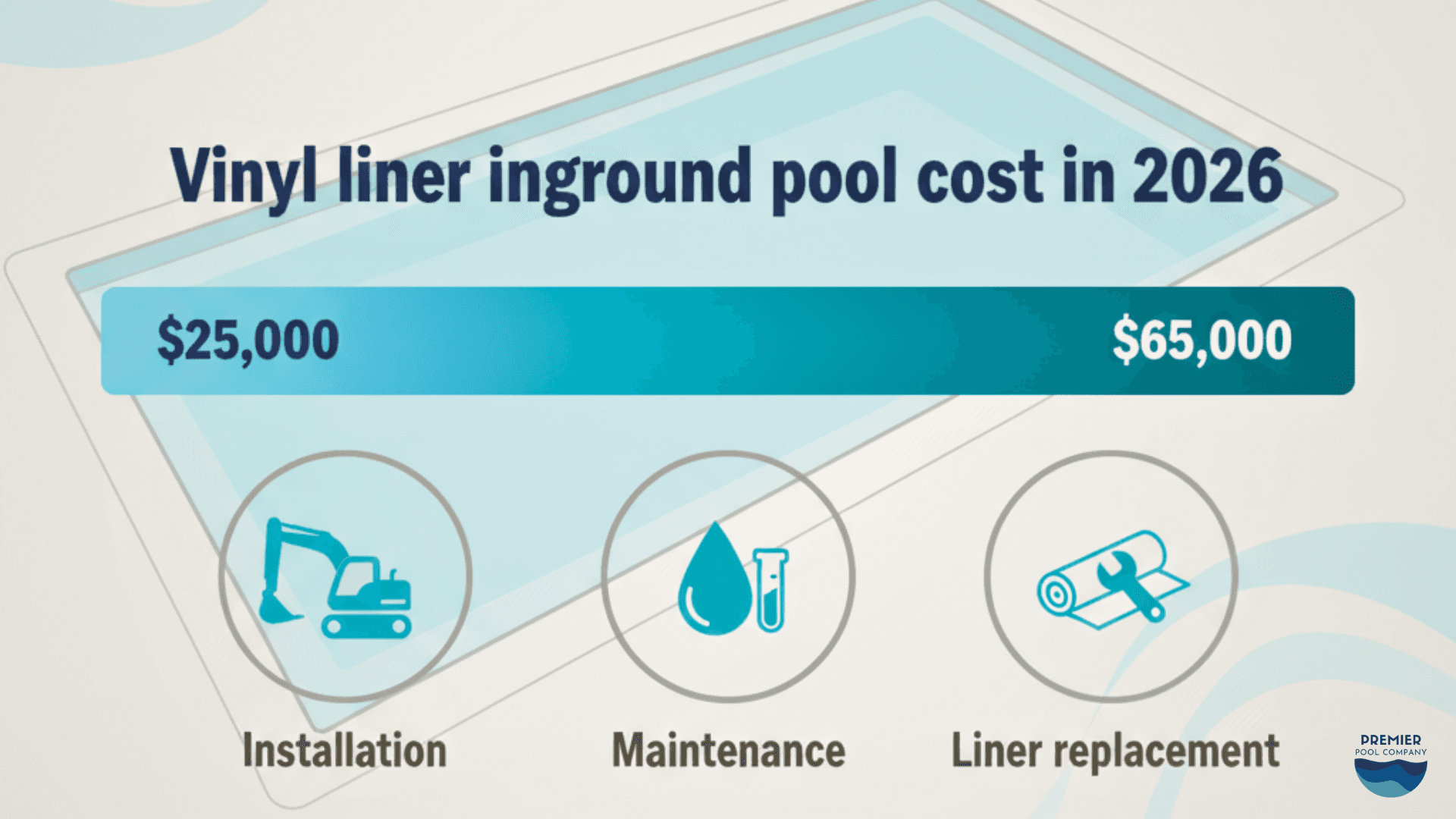
• Basic vinyl liner inground pools start at $25,000–$65,000 installed, depending on size (14x28 ft typical) and site conditions.
• Expect liner replacement every 7–10 years at $4,000–$6,500 per replacement, including labor and refill water.
• Annual maintenance runs $500–$1,500 for chemicals, electricity, cleaning, and equipment care.
• Vinyl beats fiberglass ($55k+) and concrete ($70k+) upfront but needs planning for long-term costs—ideal for flexible shapes on a starter budget.
• Top cost drivers: excavation and site prep ($3k–$10k), pool structure ($8k–$15k), vinyl liner and install ($4k–$8k), and add-ons like decking, heaters, and covers.
• Pro budgeting tip: Add 15–20% contingency buffer; use The Premier Pool Co.’s free cost estimator for your yard specifics.
• Final verdict: Vinyl liner pools are perfect for homeowners wanting custom designs under $50k initially, with lower upfront costs than other pool types.
• Get started: Request your free quote from The Premier Pool Co. today to lock in 2026 pricing and see your options.
What Factors Drive Vinyl Liner Pool Costs?
When I’m on-site with potential clients, these are the first things I assess because they directly impact your final invoice:
• Pool Size & Shape: Larger pools require more materials and labor—a 16x32 ft pool costs roughly 40% more than a 12x24 ft standard rectangle. Custom freeform or kidney shapes add $2k–$5k due to extra steel wall angles and custom liner fabrication.
• Soil Type & Site Conditions: This is where the surprises happen. Rocky or clay-heavy soil spikes excavation by $5k–$10k. Sloped yards require terracing. Poor drainage means extra gravel and base layers. I’ve seen a “$30k project” become $42k just because the soil required renting specialized equipment.
• Vinyl Liner Quality & Thickness: A 20-mil liner is standard ($4k–$5k); a 30-mil premium liner adds $1k–$2k but lasts 1–2 years longer and resists fading better. Pattern choices slightly increase costs too.
• Access & Location: Narrow side yards, backyard decking in the way, or distant utility lines mean longer labor hours and equipment rental fees.
• Local Permits & Building Codes: Varies wildly. Our service areas might range $500–$2,000 depending on jurisdiction.
• Seasonal Timing: Off-season (fall/winter) quotes are sometimes 5–10% lower due to less demand on crews.
Learn more about Step Pool Construction Guide.
How Much Does Installation Cost? Line-by-Line Breakdown
Here’s what a typical 14x28 ft vinyl liner pool installation looks like in 2026. These are real ranges I see on our quotes:
Component | Cost Range | Aaron's On-Site Notes |
Vinyl Liner & Installation | $4,000–$8,000 | 20–30 mil material + skilled labor to fit and secure. Thicker liners ($7–$8k) develop fewer wrinkles long-term. Custom patterns add $500–$1,000. |
Pump, Filter & Equipment | $2,000–$5,000 | Standard cartridge or sand filters included. Upgrade for energy-efficient equipment to cut 15–20% off electricity costs year-round. |
Permits & Inspections | $500–$2,000 | Varies by local jurisdiction. Always budget this—skipping permits creates liability and future resale issues. |
TOTAL INSTALLED POOL | $25,000–$65,000 | Add $10k–$20k+ for decking, fencing, and utility connections (gas, electric for heaters or lights). |
For a site-specific quote tailored to your yard, request a free consultation from The Premier Pool Co.
What Will You Spend on Maintenance & Liner Replacement?
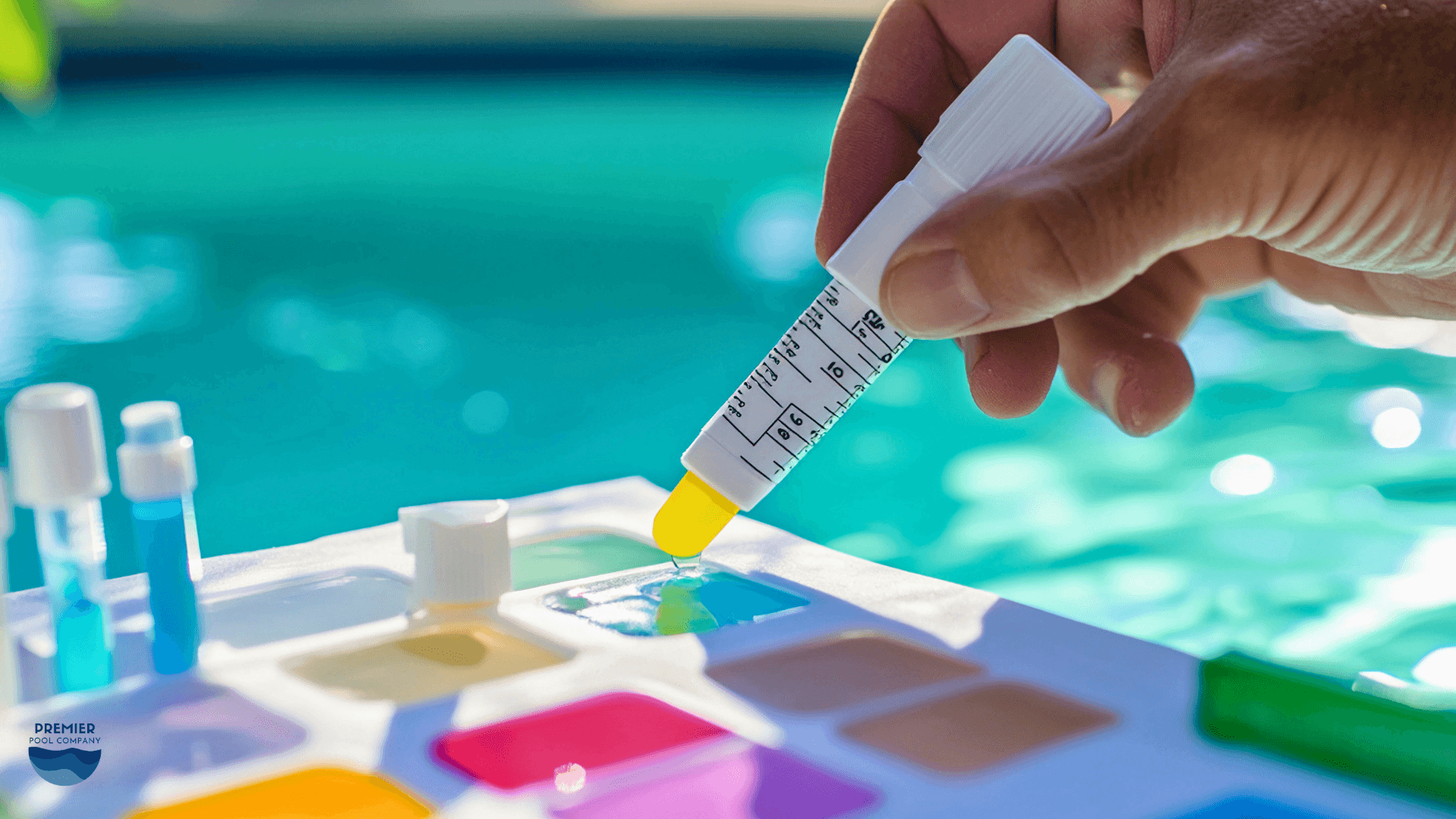
One of the biggest mistakes homeowners make is budgeting only for installation, then being shocked by ongoing costs. Let me be transparent: here’s what vinyl pool ownership really costs year to year.
Annual Maintenance Budget:
• Chemicals (chlorine, pH adjusters, alkalinity buffers): $300–$400/year
• Electricity (pump/filter run-time, typically 8–8 hours daily): $400–$600/year (more with a heater)
• Cleaning & brushes (pool brush, skimmer net, vacuum head): $100–$200/year
• Equipment repairs (o-rings, pump seals, minor fixes): $200–$400/year on average
• Total typical annual spend: $500–$1,500 depending on climate and pool size
Liner Lifespan & Replacement:
Most vinyl liners last 7–10 years with proper maintenance. I’ve seen some stretch to 12 years if owners use a cover and maintain pH religiously; others need replacement at 6 years if exposed to harsh sun, chemicals, or heavy use.
When replacement time comes, budget:
• Liner material (20–30 mil): $1,500–$4,000
• Labor for removal and installation: $1,500–$2,000
• Pool drain and refill (water cost): $400–$800
• Total replacement: $3,400–$6,800 per cycle (every 7–10 years)
Fact: A high-quality pool cover ($1,500–$5,000 upfront, especially auto-covers) pays for itself by extending liner life 1–2 years and cutting chemical use by 30%. To know more about maintenance costs you can check this one- Ultimate Guide to Vinyl Pool Liner.
How Do Vinyl, Fiberglass & Concrete Pools Compare on Cost?
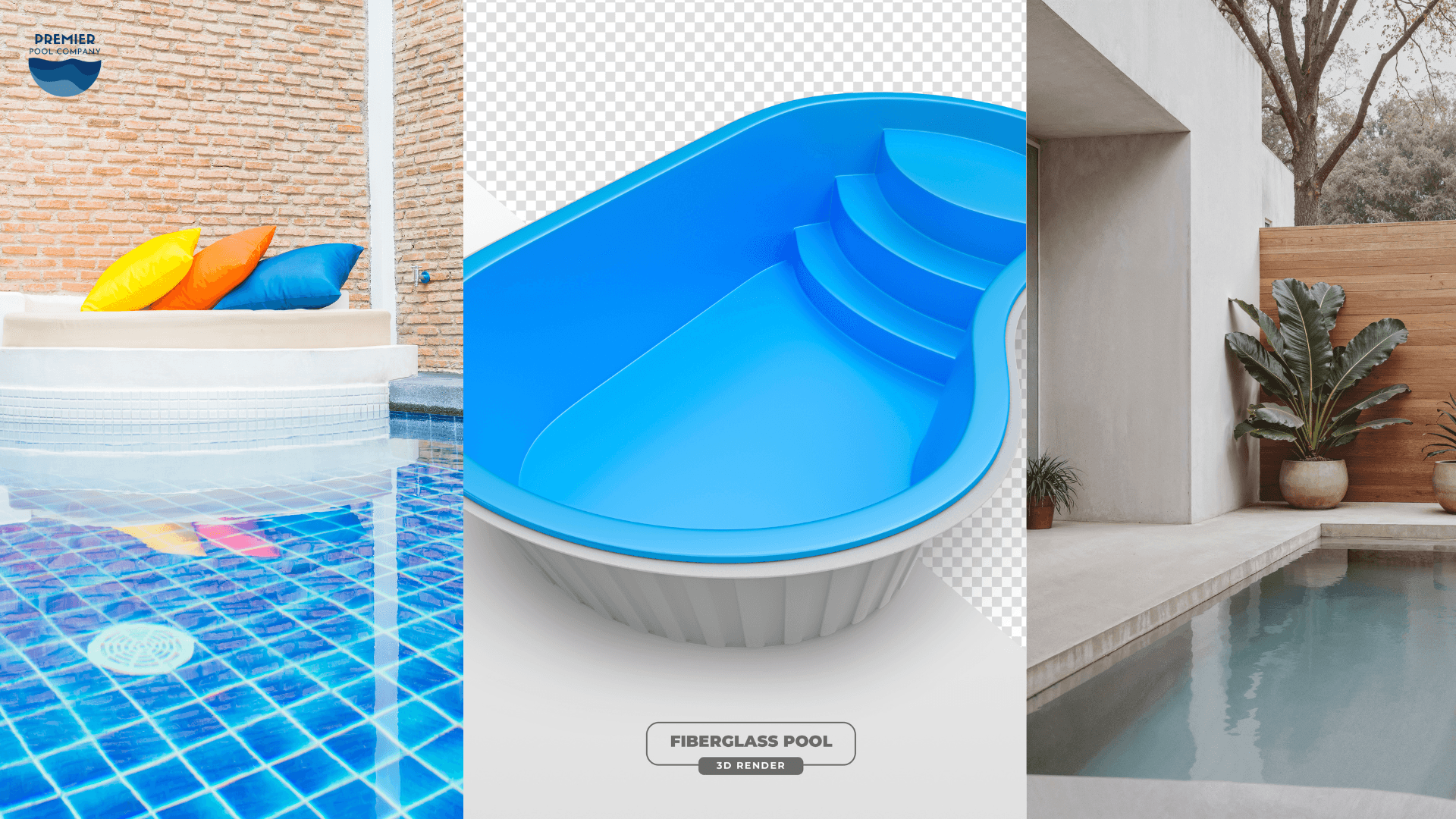
Comparison Table (Upfront & 10-Year Total Cost):
Pool Type | Typical Initial Cost (2026) | 10-Year Total Cost | Key Strengths | Key Limitations | Best For |
Vinyl Liner | $25k–$65k installed | $40k–$85k (with 1–2 liners) | Lower entry price, custom shapes, smooth feel | Liner puncture risk, periodic replacement | Budget homeowners wanting curves |
Fiberglass | $55k–$100k installed | $65k–$110k (low maintenance) | Ultra-durable, minimal upkeep, quick install | Limited shapes, higher upfront, less customizable | Low-hassle buyers; long-term durability focus |
Concrete | $70k–$120k+ installed | $100k+ (resurfacing, chemistry) | Fully custom designs, longest lifespan | Highest cost, frequent resurfacing, staining | Luxury builds; complex designs |
Vinyl Liners – Pros & Cons at a Glance:
Pros:
• Affordable entry point, saves $20k–$40k upfront vs. other types
• Custom freeform and kidney shapes possible
• Smooth surface (kids love it)
• Repair-friendly; small tears can be patched ($50–$200)
• Faster installation (2–4 weeks)
• Works well for homeowners ready to upgrade later
Cons:
• Liner can puncture from sharp objects or roots (though rare with proper prep)
• Visible seams and wrinkles possible if not perfectly fitted
• Recurring replacement cost every 7–10 years
• UV degradation without a cover
• Less durable than fiberglass or concrete
• Not ideal if you want pure “set it and forget it” maintenance
The Bottom Line: If you’re budget-focused and don’t mind planning for liner replacement, vinyl is genuinely fantastic. But if you want zero maintenance headaches over 20+ years, fiberglass is worth the upfront premium. For most families starting their backyard journey, vinyl is the right choice.
Learn more about Fiberglass Pool Pros and Cons.
What Add-Ons Boost Your Cost (and Are They Worth It?)?
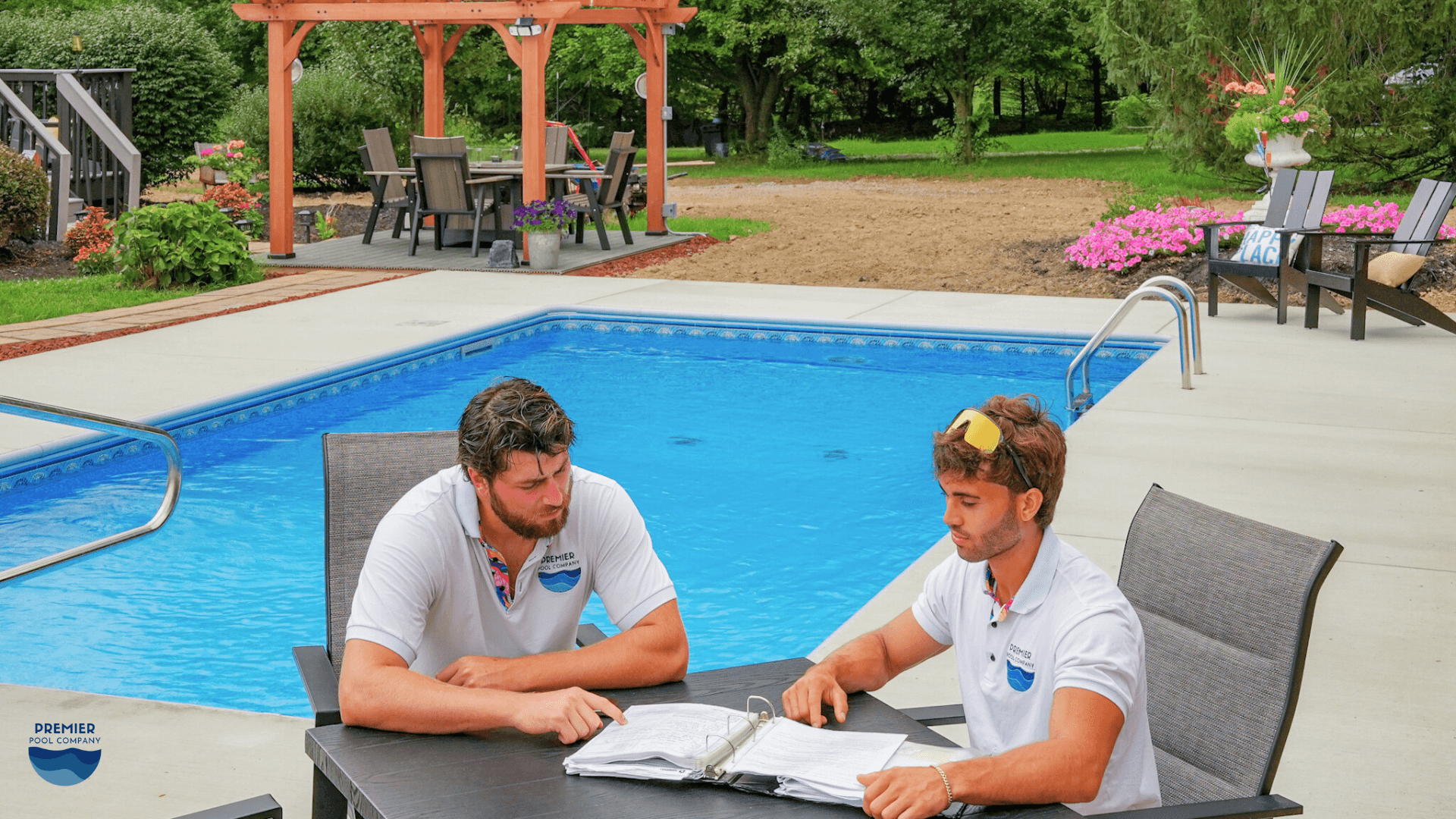
The pool shell is just the beginning. Here’s what upgrades I see homeowners choose and whether I’d recommend them:
Heaters (Natural Gas or Heat Pump)
• Cost: $3,000–$8,000 install; $500–$1,500/year to run
• My take: Worth it for families with young kids or anyone in cooler climates. Extend your season by 4–6 weeks. Heat pumps are pricier upfront but 30% cheaper to operate.
Pool Lighting & Entertainment
• Cost: $1,500–$4,000 for LED lighting packages
• My take: Transforms evening enjoyment. LEDs are affordable and last years. Plus-one if resale matters.
Automatic Pool Covers
• Cost: $2,500–$5,500
• My take: One of the best ROI upgrades. Cuts chemical use 30%, extends liner life 2+ years, improves safety. Often pays for itself in maintenance savings within 5 years.
Slides, Spas, or Shallower Lounging Areas
• Cost: $1,500–$10,000+ depending on complexity
• My take: The fun factor is real, especially for families. But reconsider if the budget is tight—these are nice-to-haves, not essentials.
Decking & Coping Upgrades
• Cost: $5,000–$20,000+ (concrete, pavers, or composite)
• My take: Don’t skimp here. Poor decking causes drainage issues and future repairs. Budget $50–$150/sq ft based on material.
Salt-Chlorine System
• Cost: $1,500–$3,000 more at installation
• My take: Easier maintenance and softer water. Worth the upfront investment if you want less hassle managing chemicals monthly.
Smart Budgeting Tips for Your Vinyl Liner Pool
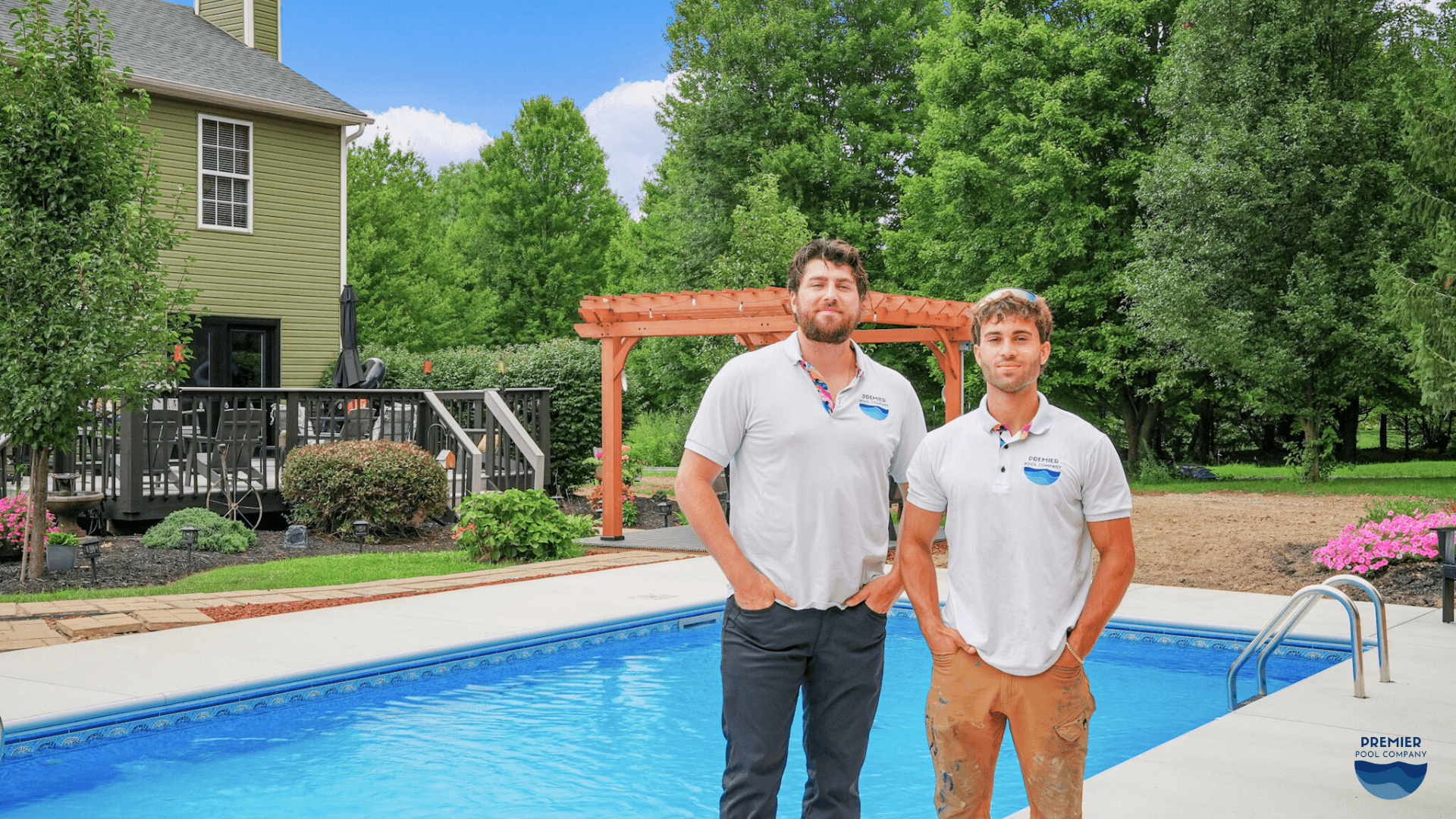
I’ve helped hundreds of families navigate pool budgets. Here’s what I’ve learned:
1. Get Multiple Quotes (But Choose Wisely)
Don’t just chase the lowest bid. I always recommend getting 3, 4 quotes from established installers like The Premier Pool Co. who offer turnkey service. A rock-bottom quote often means hidden fees or corners cut on quality. Compare apples to apples: does the quote include permits, decking, equipment, and a warranty?
2. Plan a 15–20% Contingency Buffer
Your initial quote might be $35k, but I’ve seen $42k final totals due to:
• Unexpected soil conditions requiring extra gravel or bedrock removal
• Utility relocation (gas, electric, water lines)
• Permit delays or additional inspector requests
• Small add-ons you decide mid-project
Always assume surprises and budget accordingly.
3. Finance Intelligently
With 2026 rates and extended terms, financing your pool can spread costs: a $40k pool over 10 years is roughly $370/month. The Premier Pool Co. offers flexible financing plans. Run the numbers—sometimes financing is smarter than depleting savings.
4. Prioritize the Essentials; Defer Nice-to-Haves
Core: Pool structure, shell, pump, filter, basic equipment, decking
Later upgrades: Heater, slides, fancy lighting, auto-covers
You can always upgrade later as your budget allows.
5. Think Long-Term
A $1,500 pool cover today might save you $6k in liner replacement costs in 5 years. A $3k heat pump upfront could add 4 months of usable season and boost resale value. Calculate ROI, not just sticker price.
6. Lock in 2026 Pricing Now
Material costs fluctuate, and labor rates rise seasonally. Booking your pool installation soon locks in 2026 pricing. By summer 2026, quotes may be 5–10% higher.
Summary – Key Takeaways (Quick Q&A Recap)
Q: What’s the real 2026 cost range for a vinyl liner inground pool?
A: $25,000–$65,000 installed. Budget an additional $10k–$20k for decking, utilities, and permits.
Q: How often will I need to replace the liner?
A: Every 7–10 years, at a cost of $3,400–$6,800 per replacement (material + labor + refill).
Q: What costs surprise homeowners the most?
A: Site preparation ($5k–$12k for rocky soil), decking ($10k–$20k), and add-ons (heater, cover, lights) that weren’t budgeted. Always plan a 15–20% buffer.
Q: Is vinyl liner worth it compared to fiberglass?
A: Yes, if the budget is tight and you want design flexibility. Fiberglass wins long-term (lower maintenance). For 10-year ownership, both are similar in total cost; choose based on your priorities: affordability (vinyl) vs. ease (fiberglass).
Q: What’s the best way to save money on a vinyl pool project?
A: Get multiple quotes, defer non-essentials, invest in a cover and proper maintenance, book off-season, and choose a reputable contractor who guarantees quality. The Premier Pool Co. offers transparent pricing and no surprises.
Q: Ready to build your dream vinyl pool?
A: Request a free quote from The Premier Pool Co. today. We’ll assess your yard, provide a detailed estimate, and help you lock in 2026 pricing with zero hidden fees.
Let’s Build Your Dream Pool – Contact The Premier Pool Co. Today
After years of helping families navigate vinyl liner pool costs, I can tell you one thing with certainty: the difference between a great pool experience and a frustrating one comes down to planning and choosing the right partner.
Vinyl liner pools are genuinely fantastic if you:
• Want an affordable entry point ($25k–$65k vs. $70k+ for concrete)
• Value customizable shapes and sizes
• Don’t mind budgeting for liner replacement every 7–10 years
• Are ready to invest in a quality cover and maintenance routine
At The Premier Pool Co., we’ve helped hundreds of homeowners across our service area Ohio, bring vinyl pool dreams to life without the sticker shock. Here’s what we do differently:
• Transparent, All-Inclusive Quotes: No surprises. We detail every cost upfront.
• Site-Specific Planning: Our team assesses soil, drainage, and access to give you real numbers.
• Turnkey Installation: From permits to decking, we handle it all.
• Flexible Financing: Spread costs over time with our 2026-rate financing plans.
• Post-Installation Support: We guide you through the first season and beyond.
• Expert Maintenance Resources: Check our pool maintenance tips and guides.
Vinyl liner pools represent a smart investment for budget-conscious homeowners ready to upgrade their outdoor space. With proper planning, transparency around costs, and attention to maintenance, you'll get years of enjoyment from your pool. Whether you’re looking to compare options or ready to move forward with a quote, The Premier Pool Co. is here to answer your questions and help you build the backyard you’ve been dreaming about, now enjoying.
P.S. Have questions before requesting a quote? Check our FAQs or reach out directly. I’m here to help.
Frequently Asked Questions on Vinyl Liner Costs
Q: How much should I budget beyond the quoted price?
A: Add 15–20%. I consistently see homeowners surprised by decking costs ($10k–$15k), utility connections, and soil-related extras that weren’t in the initial quote.
Q: Are vinyl liner pools a bad idea in freeze-thaw climates (northern regions)?
A: No, but they need care. Proper winterization is critical: drain to below skimmer level, remove pump/filter, and use pool-specific antifreeze. Fiberglass is slightly easier in harsh climates, but vinyl works fine with planning.
Q: Can I DIY a liner replacement to save money?
A: Technically yes, but most homeowners should hire pros. A poorly fitted liner creates wrinkles, faster degradation, and potential tears. Professional installation costs $1,500–$2,000 labor but guarantees longevity. Not worth the risk of a $4k mistake. Learn more from Choosing the Perfect Liner.
Q: Will my pool increase my home’s resale value?
A: Typically 5–10% added value for a well-maintained pool in family-friendly neighborhoods. Vinyl liner pools may be slightly less appealing to buyers than fiberglass (due to maintenance perception), but still add strong appeal. Pool quality and cleanliness matter most.
Q: When is the best time to get quotes and schedule installation?
A: Fall/early winter (September–November) is off-season: lower prices and faster schedules. Spring quotes are 5–10% higher due to demand. Book now for spring installation to lock 2026 rates.
Q: What’s the difference between a 20-mil and 30-mil vinyl liner?
A: 30-mil is 50% thicker, more puncture-resistant, and lasts 1–2 years longer. Costs about $1k–$2k more. Worth it if you have sharp landscaping, pets, or live in a high-UV area.
Q: Should I buy insurance for my vinyl pool?
A: Yes. Homeowner’s insurance usually covers liability but not structural damage. Ask your agent about pool rider coverage to protect against equipment failure and accidental damage. Typically adds $200–$400/year.
More Blogs


Aaron Lehner
Do Fiberglass Pools Crack In Cold Weather As Per Ohio's Climate Changes?
Do fiberglass pools crack in cold weather? Learn what causes a fiberglass pool crack, how Ohio winters affect it, and how to prevent structural damage.
Aaron Lehner
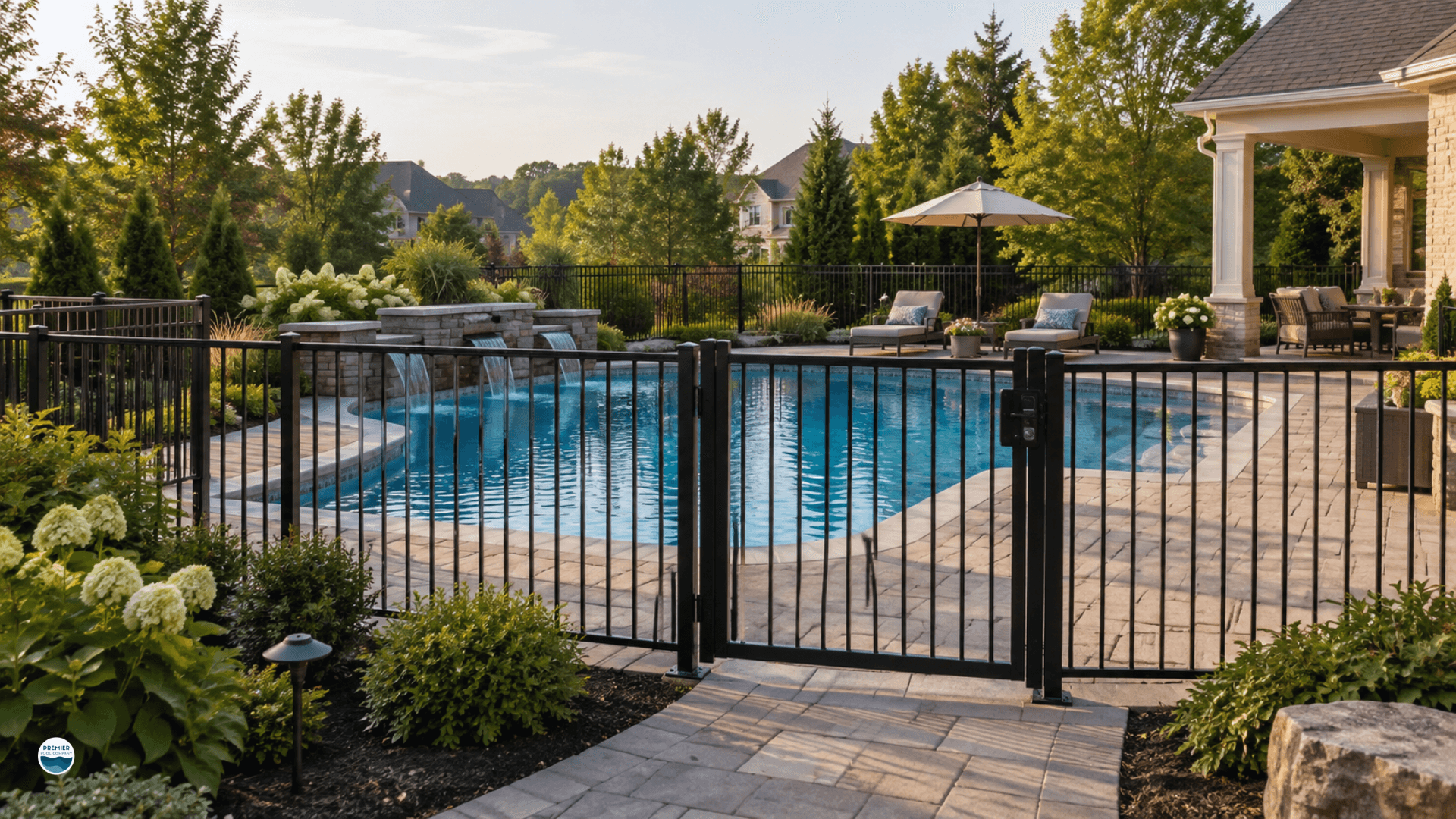
Pool Safety Regulations In Ohio - Everything You Need To Know
Learn Ohio pool safety regulations, including pool safety requirements, swimming pool fence rules, permits, gates, barriers, and local laws.

Aaron Lehner
Do Pools Add Value To A House In Ohio?
Do pools add value to a house in Ohio? Learn how pools affect resale value, appraisal, costs, buyer demand, and when an inground pool makes sense.