

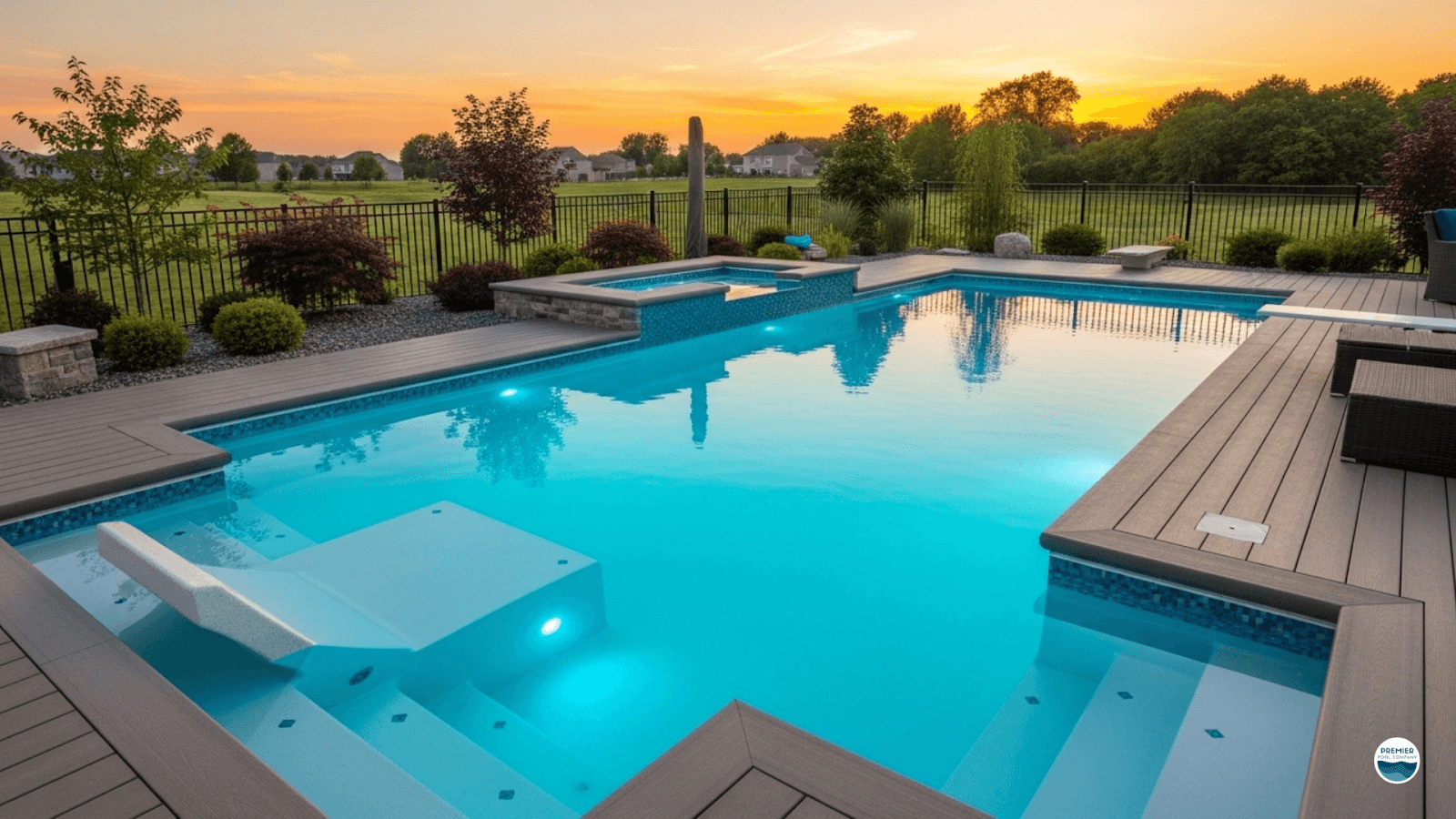
What are the top 7 Fiberglass Pool Benefits for Your Home?
I've been building pools across Central Ohio for years now, and I can tell you, fiberglass pools are changing the game for homeowners who want quality without the headache. You're probably here because you're considering adding a pool to your backyard, and that's exciting! But I'm sure you also want to know if fiberglass is really worth it, or if it's just marketing hype.
Let me be straight with you: after installing hundreds of pools at Premier Pool Co., I've seen firsthand how fiberglass pools outperform traditional options in ways that genuinely matter to homeowners like you. Whether it's the reduced maintenance that saves you weekends, the energy efficiency that cuts your bills, or the durability that means you're not calling us back every few years for repairs, these benefits are real.
But here's the thing, not every benefit will matter equally to you. Maybe you're more concerned about installation speed because summer's around the corner, or perhaps long-term costs are your priority. That's exactly why I've put together this comprehensive guide walking you through the top 7 fiberglass pool benefits, so you can decide what aligns with your goals and lifestyle.
Let's dive in.
TLDR - What Are The Top 7 Fiberglass Pool Benefits for Your Home?
1. Fiberglass pools are revolutionizing backyard living with unmatched durability and longevity, often lasting 25-30+ years.
2. According to the Association of Pool & Spa Professionals (APSP), fiberglass pools require 75% less maintenance compared to concrete pools.
3. A non-porous gel-coat surface prevents algae growth and reduces chemical usage by up to 50%, saving homeowners hundreds annually.
4. Energy-efficient insulation properties can reduce heating costs by 30-40% compared to concrete alternatives.
5. Quick installation means you can be swimming within 2-4 weeks, not 3-6 months like concrete pools.
6. Built-in safety features like smooth surfaces, integrated steps, and non-slip options make fiberglass ideal for families.
7. Environmentally sustainable with lower chemical requirements, reduced water waste, and better energy efficiency.
These 7 fiberglass pool benefits showcase why they're the smart choice for Central Ohio homeowners:
1. Durability and Longevity : Built to last decades with minimal repairs
2. Low Maintenance Requirements : More swimming, less scrubbing
3. Energy Efficiency and Cost Savings : Lower utility bills year-round
4. Quick Installation Process : Fast-track to summer fun
5. Safety Features : Peace of mind for families
6. Aesthetic Appeal and Customization : Design your dream backyard
7. Environmental Impact and Sustainability : Good for you and the planet
Final Verdict: If you're a Central Ohio homeowner looking for a pool that combines durability, low maintenance, and quick installation, fiberglass is your best bet. At Premier Pool Co. , we specialize in custom fiberglass installations that transform your backyard into your personal oasis.
Durability and Longevity of Fiberglass Pools
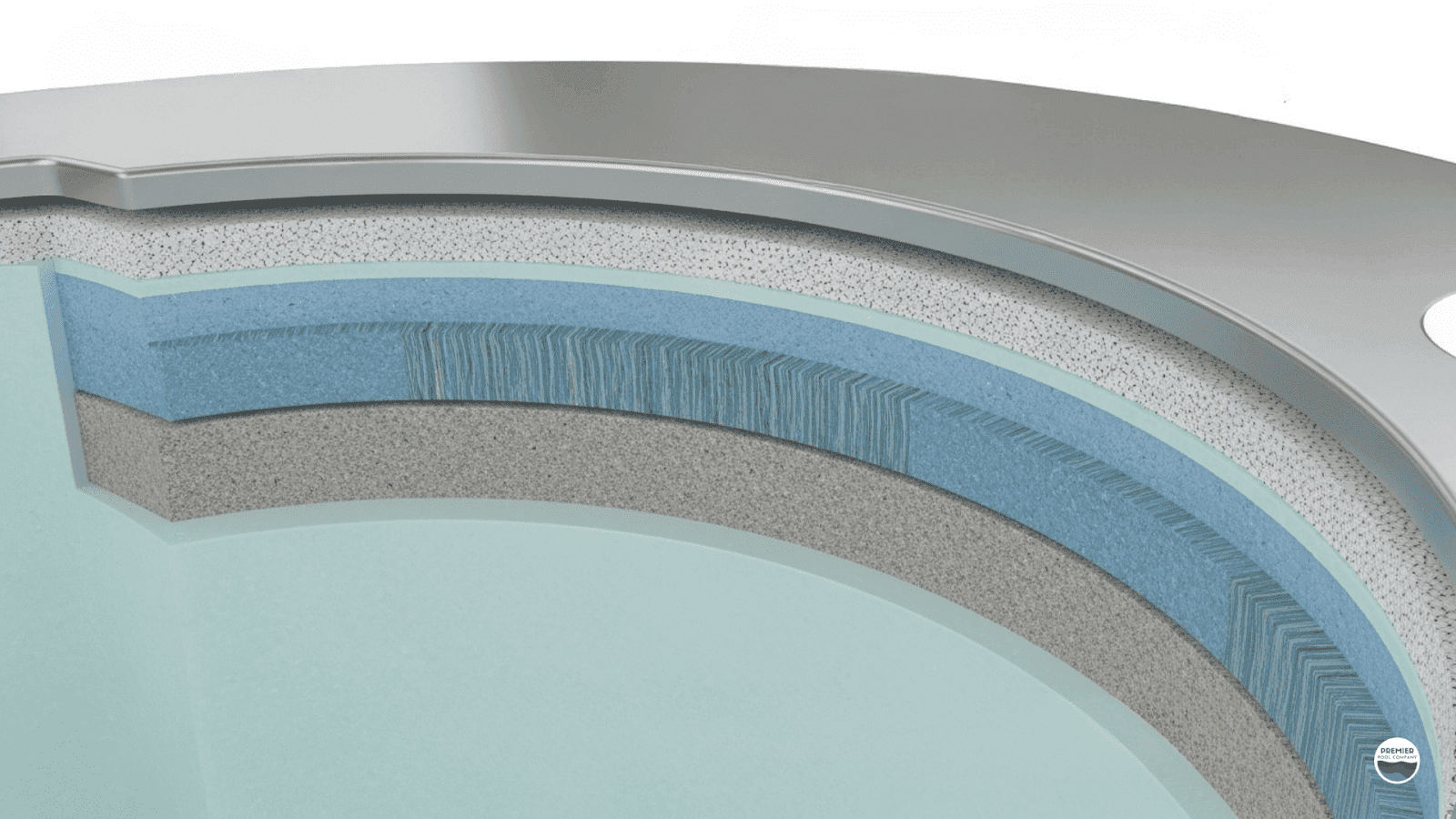
When investing in a pool, long-term performance matters. Fiberglass pools are built to last 25–30+ years thanks to their strong, flexible shell that resists cracking and structural damage.
The smooth, non-porous gel-coat surface prevents algae growth, reduces staining, and holds up well against harsh pool chemicals. Unlike concrete, fiberglass does not deteriorate from constant chemical exposure or freeze-thaw cycles.
With fewer repairs and no resurfacing requirements, fiberglass pools maintain their appearance and structural integrity for decades, making them one of the most durable options available.
Why Fiberglass Outperforms the Competition
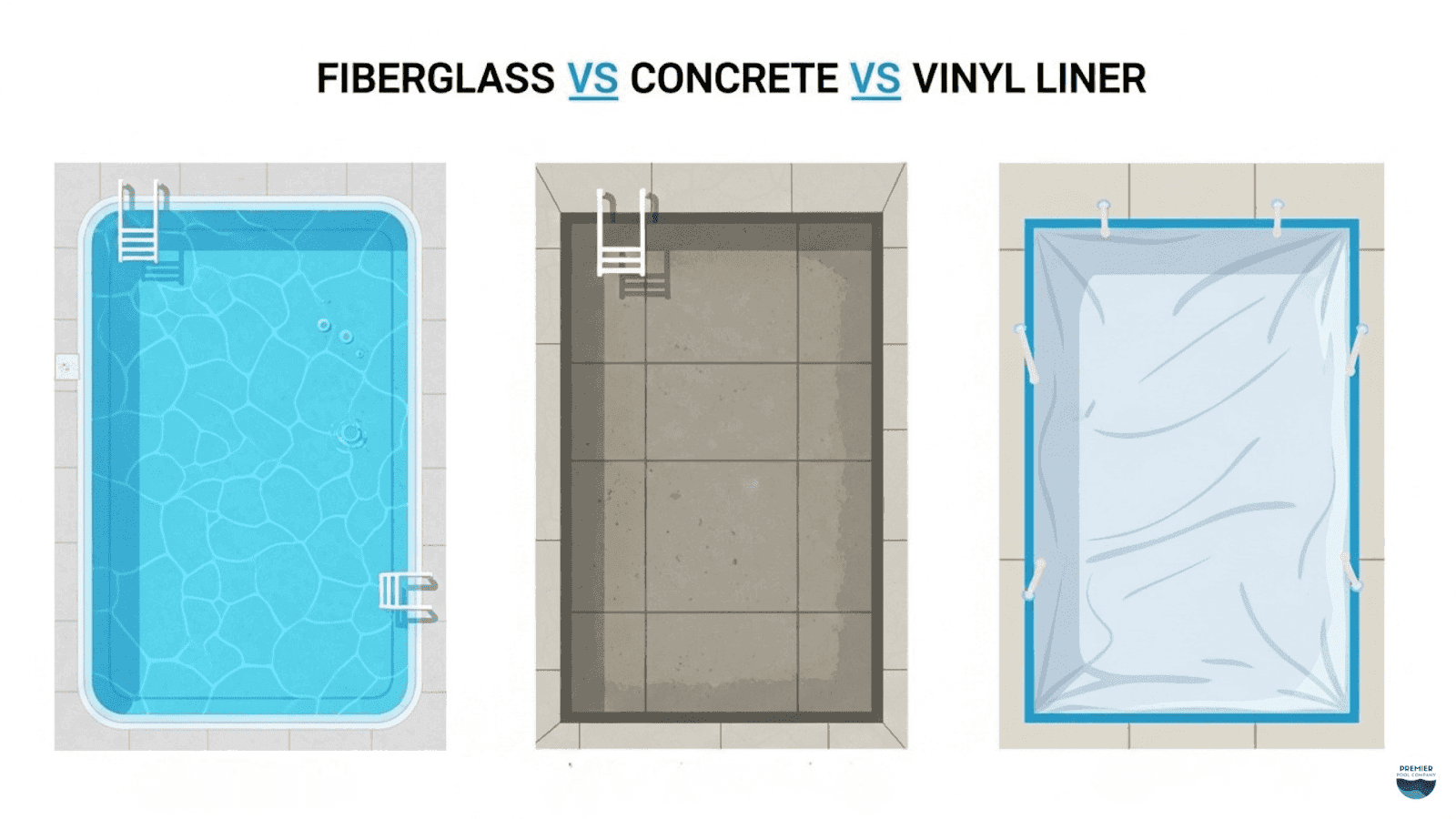
From my years of experience installing pools across Central Ohio, I can tell you that durability isn't just about lasting long, it's about how well your pool holds up against Ohio's freeze-thaw cycles, harsh chemicals, and daily wear. Here's how fiberglass stacks up:
Pool Type Comparison: Durability Metrics
Feature | Fiberglass | Concrete | Vinyl Liner |
Expected Lifespan | 25-30+ years | 20-25 years (with resurfacing) | 7-10 years (liner replacement) |
Surface Porosity | Non-porous (gel-coat) | Porous (plaster) | Non-porous |
Chemical Resistance | Excellent | Moderate (requires acid washing) | Good |
Algae Resistance | Superior | Poor (porous surface) | Moderate |
Freeze-Thaw Tolerance | Flexible, resistant | Prone to cracking | Can tear/puncture |
Warranty Coverage | Lifetime structural | 10 years structural | 1-5 years liner |
In Ohio's climate, temperature swings are brutal on concrete. I've seen concrete pools develop significant cracks within 5-7 years, while the fiberglass pools we installed a decade ago still look pristine. If you want to learn more about different pool types, check out our guide on the best pool materials for Ohio backyards.
Low Maintenance Requirements
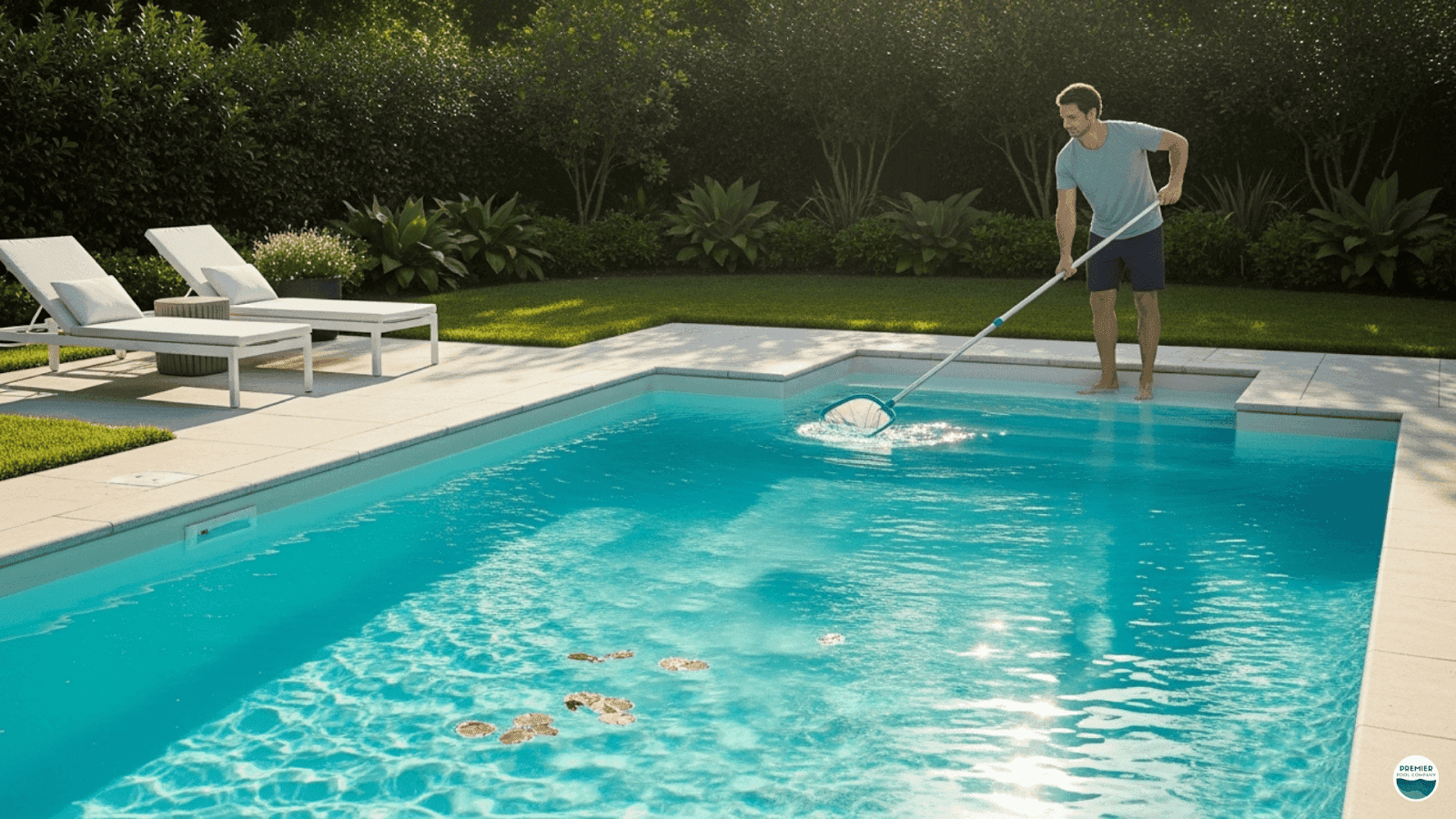
The Real Cost of Maintenance: A Time and Money Breakdown
Homeowners often ask me, "How much time will I actually spend maintaining a fiberglass pool?" Here's the honest answer based on our client feedback:
Weekly Maintenance Tasks:
• Skimming debris: 10-15 minutes
• Checking chemical levels: 5 minutes
• Brushing walls (minimal due to non-porous surface): 10 minutes
• Vacuuming (if not using automatic cleaner): 15-20 minutes
Total weekly time: 40-50 minutes vs. 2-3 hours for concrete pools
Annual Maintenance Cost Comparison:
Maintenance Item | Fiberglass | Concrete | Vinyl Liner |
Chemical Costs | $300-500/year | $600-900/year | $400-600/year |
Cleaning Supplies | $100-150/year | $200-300/year | $150-200/year |
Acid Washing | N/A | $400-600/3-5 years | N/A |
Resurfacing | N/A | $10,000-15,000/10-15 years | N/A |
Liner Replacement | N/A | N/A | $4,000-7,000/7-10 years |
Repair Costs (avg) | $200-500/year | $800-1,500/year | $500-800/year |
Total Annual Investment: $600-1,150 (Fiberglass) vs. $1,600-2,700+ (Concrete)
Over a 20-year period, you could save $20,000-31,000 in maintenance costs alone with a fiberglass pool. That's significant! For tips on keeping your pool in top shape, see our pool liner maintenance guide.
Energy Efficiency and Cost Savings
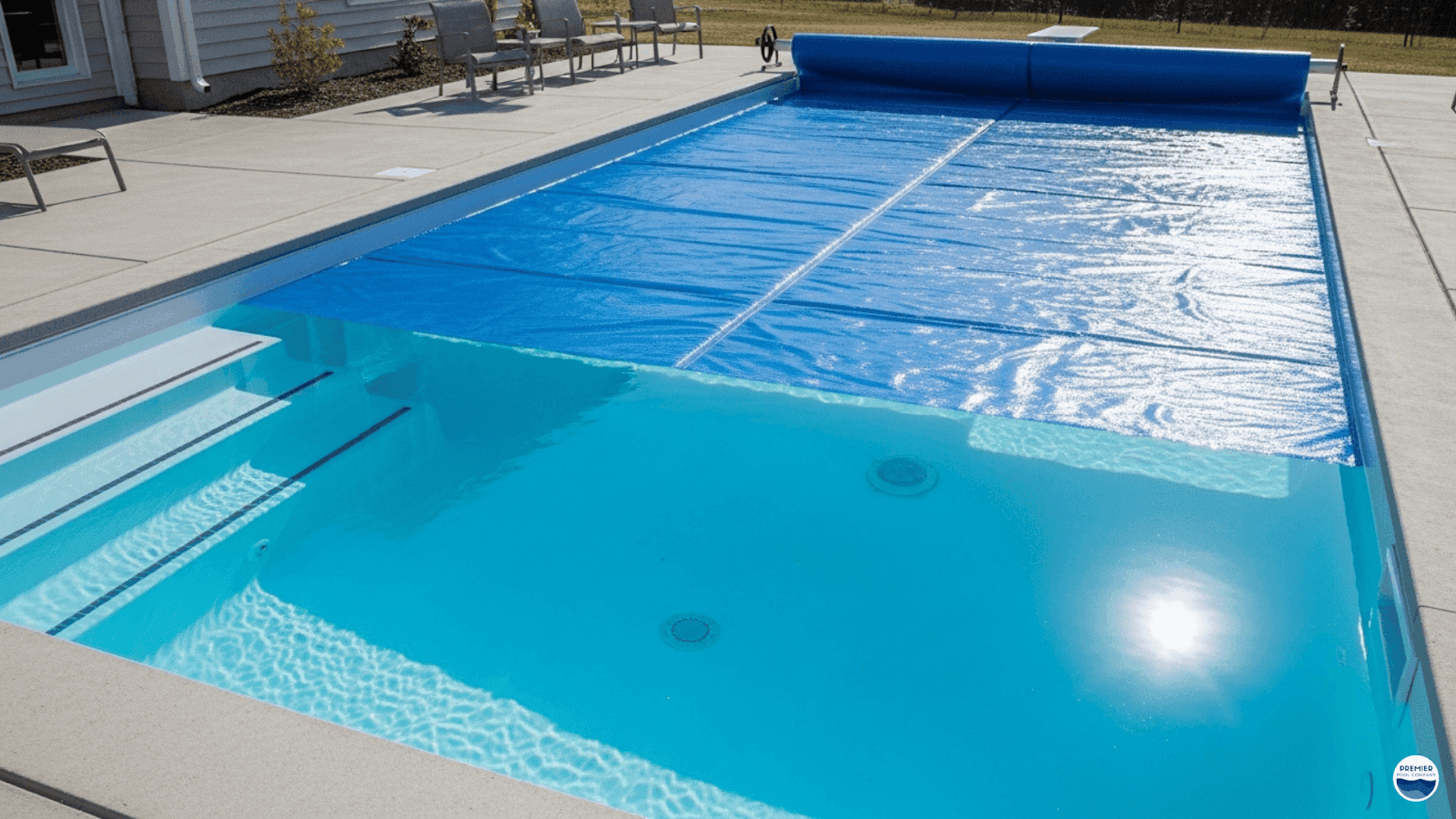
Fiberglass pools don’t just look great , they cost less to operate year after year. Thanks to their insulated shell and smooth, non-porous surface, they retain heat better and require less pump runtime. That translates directly into lower monthly utility bills.
Unlike concrete, which absorbs and loses heat quickly, fiberglass acts as a natural insulator. Your heater runs less, your pump works fewer hours, and your chemical usage stays lower.
Breaking Down Your Energy Savings
Energy Cost Analysis (Based on 15' x 30' Pool in Ohio Climate):
Energy Factor | Fiberglass | Concrete |
Heat Retention (R-value) | R-8 to R-12 | R-1 to R-2 |
Heat Loss per Day | 2-3°F | 5-7°F |
Heating Cost (May-Sept) | $400-600/season | $800-1,200/season |
Pump Runtime | 6-8 hours/day | 8-10 hours/day |
Annual Electricity Cost | $300-500 | $600-900 |
Total Annual Energy Savings: $700-1,000 compared to concrete pools
Key Energy-Saving Features of Fiberglass:
• Thermal Mass: The fiberglass shell retains heat 3-4x better than concrete
• Smooth Surface: Reduces water drag, allowing smaller, more efficient pumps
• Faster Circulation: Better water flow means shorter pump run times
• Compatible with Solar: Works perfectly with solar heating systems for even greater savings
Want to maximize your savings? Consider pairing your fiberglass pool with a variable-speed pump and solar heater. Learn more about pool installation costs at Premier Pool Co..
Quick Installation Process
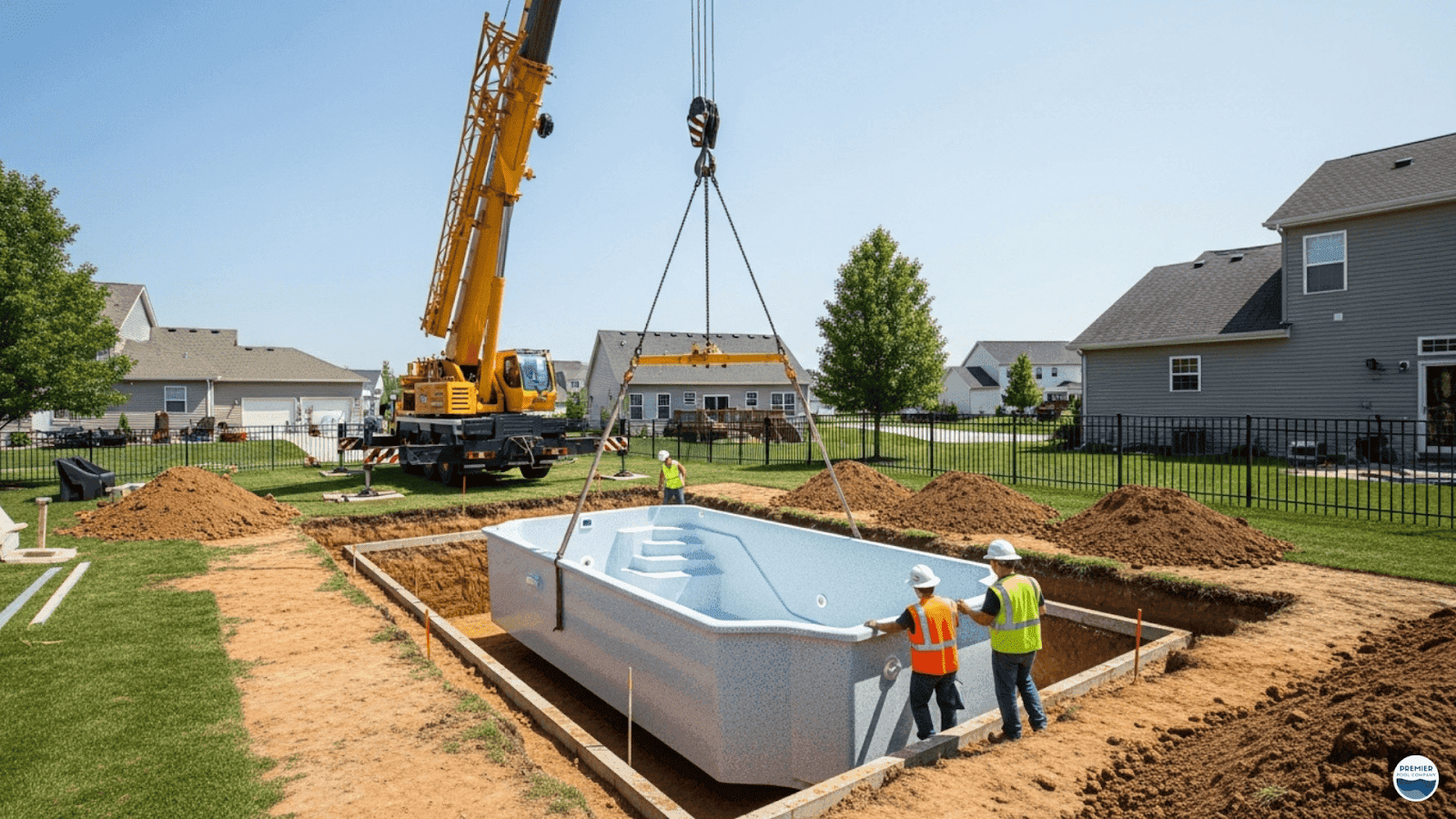
One of the biggest advantages of fiberglass pools is speed. Unlike concrete pools that can take months to complete, fiberglass pools are typically installed in just 2–4 weeks.
Because the pool shell is pre-manufactured and delivered as a single unit, installation is streamlined. Excavation, placement, plumbing, and backfilling happen quickly, reducing disruption to your property.
Faster installation means less construction mess, fewer delays, and more time enjoying your pool often within the same season you start the project.
Installation Timeline: Fiberglass vs. Concrete
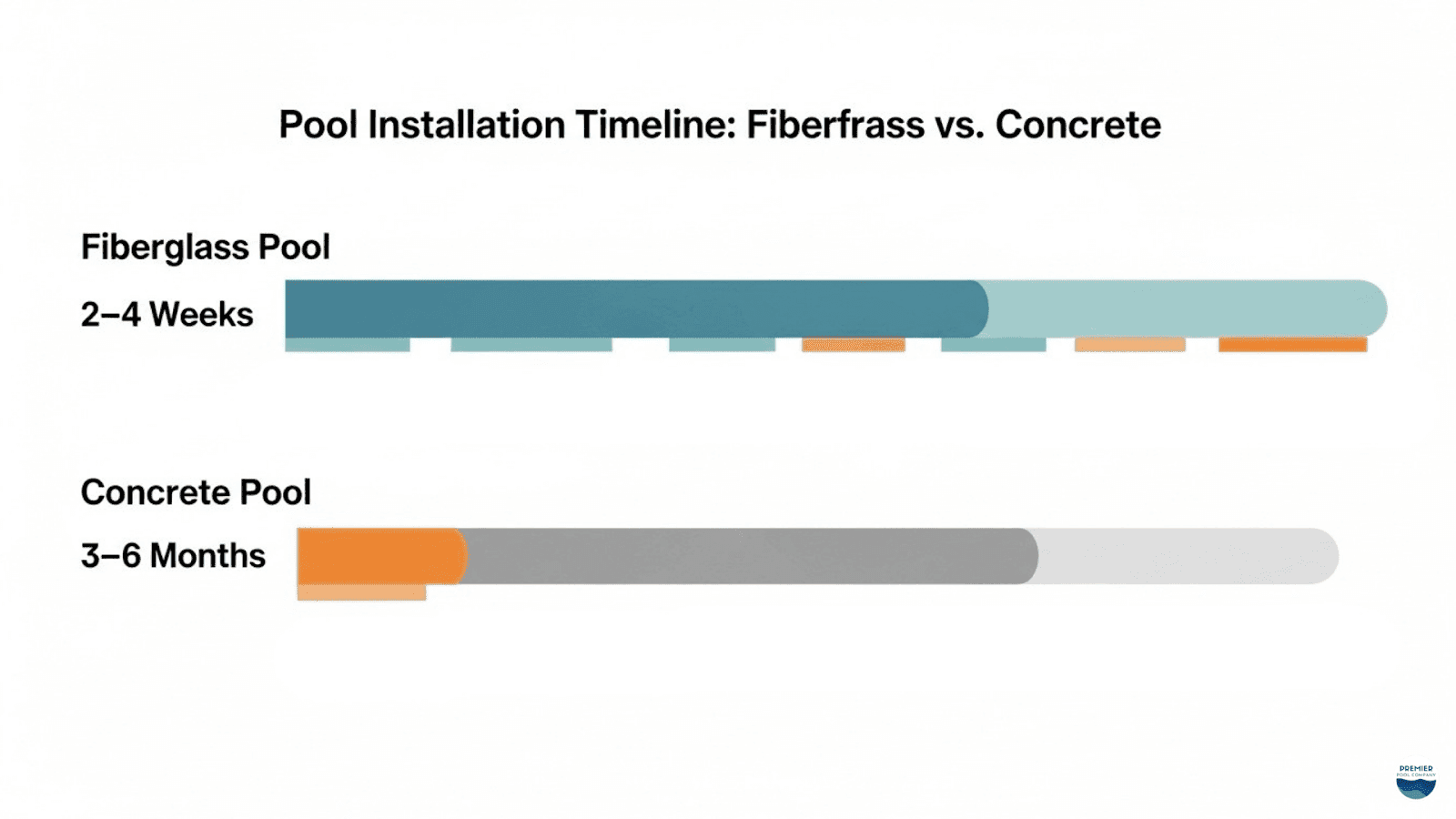
I've managed hundreds of pool projects, and timeline is always one of the top concerns for homeowners. Here's what you can realistically expect:
Fiberglass Pool Installation Timeline (2-4 Weeks):
Week 1:
• Day 1-2: Site preparation, permits, and excavation
• Day 3-4: Delivery and crane placement of fiberglass shell
• Day 5-7: Plumbing, backfilling, and initial grading
Week 2:
• Day 8-10: Electrical work and equipment installation
• Day 11-14: Decking preparation and pool filling
Weeks 3-4 (if needed):
• Landscaping, final touches, and pool start-up
Concrete Pool Installation Timeline (3-6 Months):
Weeks 1-2: Excavation, permits, steel installation
Weeks 3-4: Shotcrete/gunite application
Weeks 5-8: Curing time (critical - cannot be rushed)
Weeks 9-12: Tile, coping, plaster application
Weeks 13-16: Decking, equipment, and final details
Weeks 17-24: Additional curing, water chemistry balancing
The difference is dramatic. Last summer, we had a client who wanted their pool ready for a July 4th party. We started a fiberglass installation on June 10th, and they were swimming by June 28th. That's nearly impossible with concrete. Check out our complete pool construction guide for a detailed breakdown of the process.
Safety Features of Fiberglass Pools
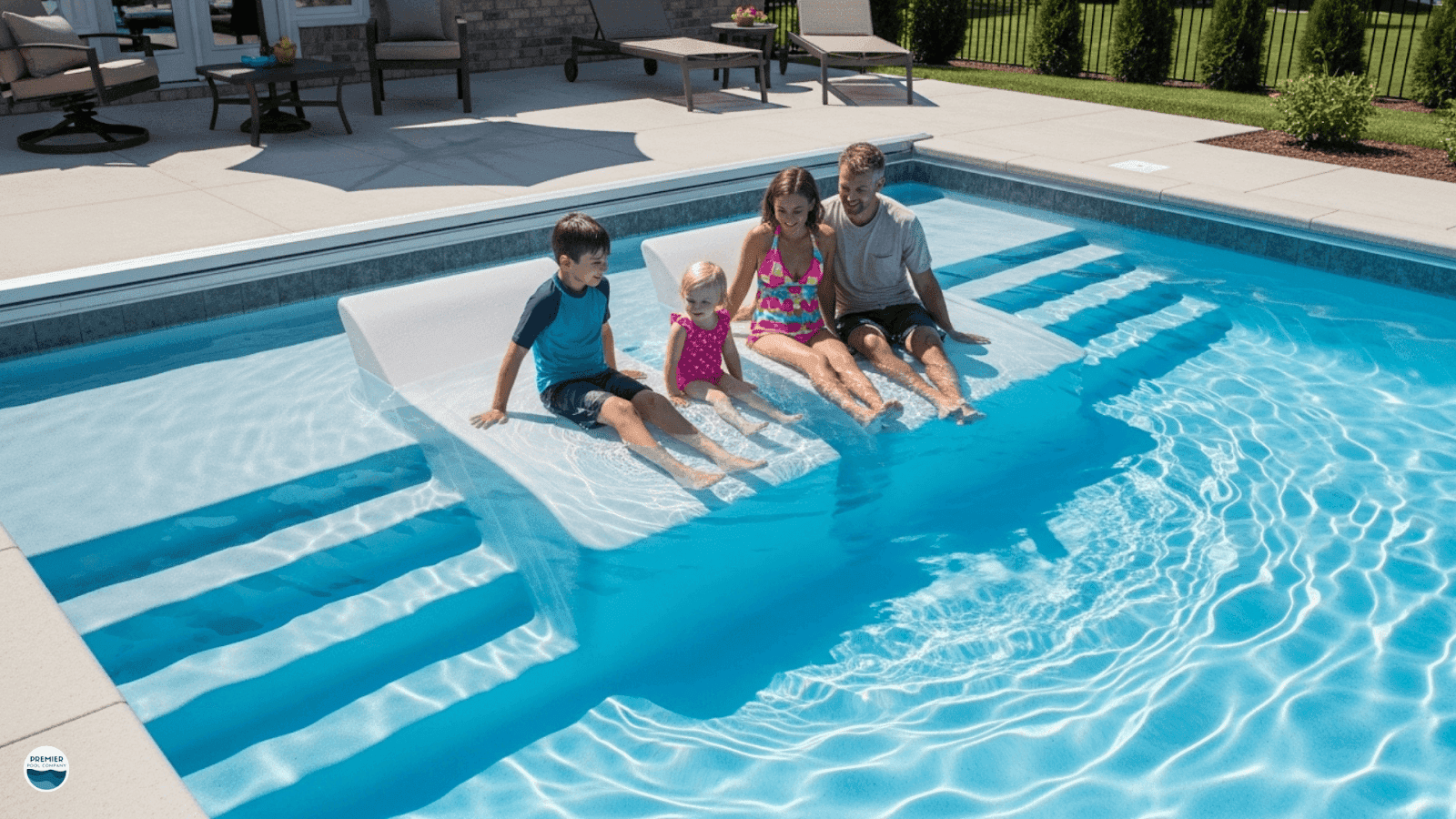
Safety is a major priority for families, and fiberglass pools are designed with that in mind. Their smooth gel-coat surface prevents scrapes and abrasions, unlike rough concrete finishes.
Many fiberglass models also include built-in steps, tanning ledges, and entry points that improve accessibility and reduce slip risks.
Built-In Safety Advantages
• Smooth, non-abrasive surface
• Integrated steps and benches
• Optional non-slip textures
• Rounded edges (no sharp corners)
• Easy visibility due to lighter finishes
These features make fiberglass pools especially ideal for families with children and older swimmers, providing comfort and peace of mind without additional upgrades.
Aesthetic Appeal and Customization Options
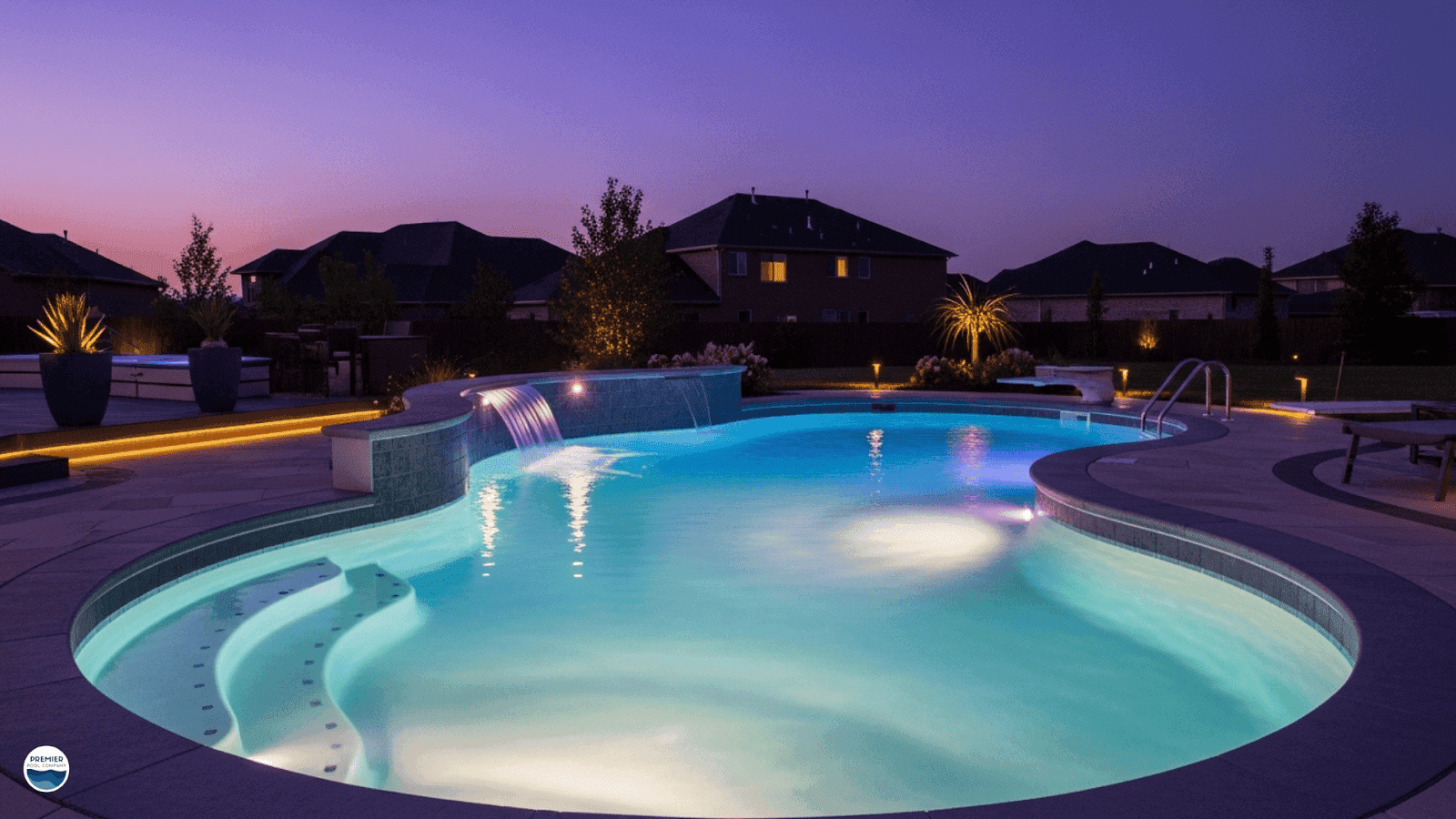
Fiberglass pools combine durability with modern design flexibility. Available in a wide range of shapes, sizes, and colors, they easily complement both classic and contemporary backyard layouts.
Many models include built-in features like tanning ledges, integrated spas, waterfalls, and LED lighting. These additions enhance both visual appeal and functionality without requiring complex construction.
The smooth, glossy gel-coat finish gives fiberglass pools a sleek, upscale appearance while remaining easy to maintain. For homeowners who want a stylish backyard retreat without added upkeep, fiberglass delivers both beauty and practicality.
Popular Customization Options:
• Modern Freeform Designs - Perfect for creating a natural, lagoon-style look
• Built-in Tanning Ledges - Ideal for families with young children or relaxation
• Integrated LED Lighting - Transform your pool into a nighttime showpiece
• Waterfalls & Deck Jets - Add movement and sound for a resort feel
• Swim-Up Bars & Spa Integration - For homeowners who love to entertain
Who Should Choose Fiberglass for Aesthetics? If you value a sleek, modern appearance with minimal maintenance, fiberglass delivers both beauty and practicality. Explore design ideas at our custom pool design guide.
Environmental Impact and Sustainability
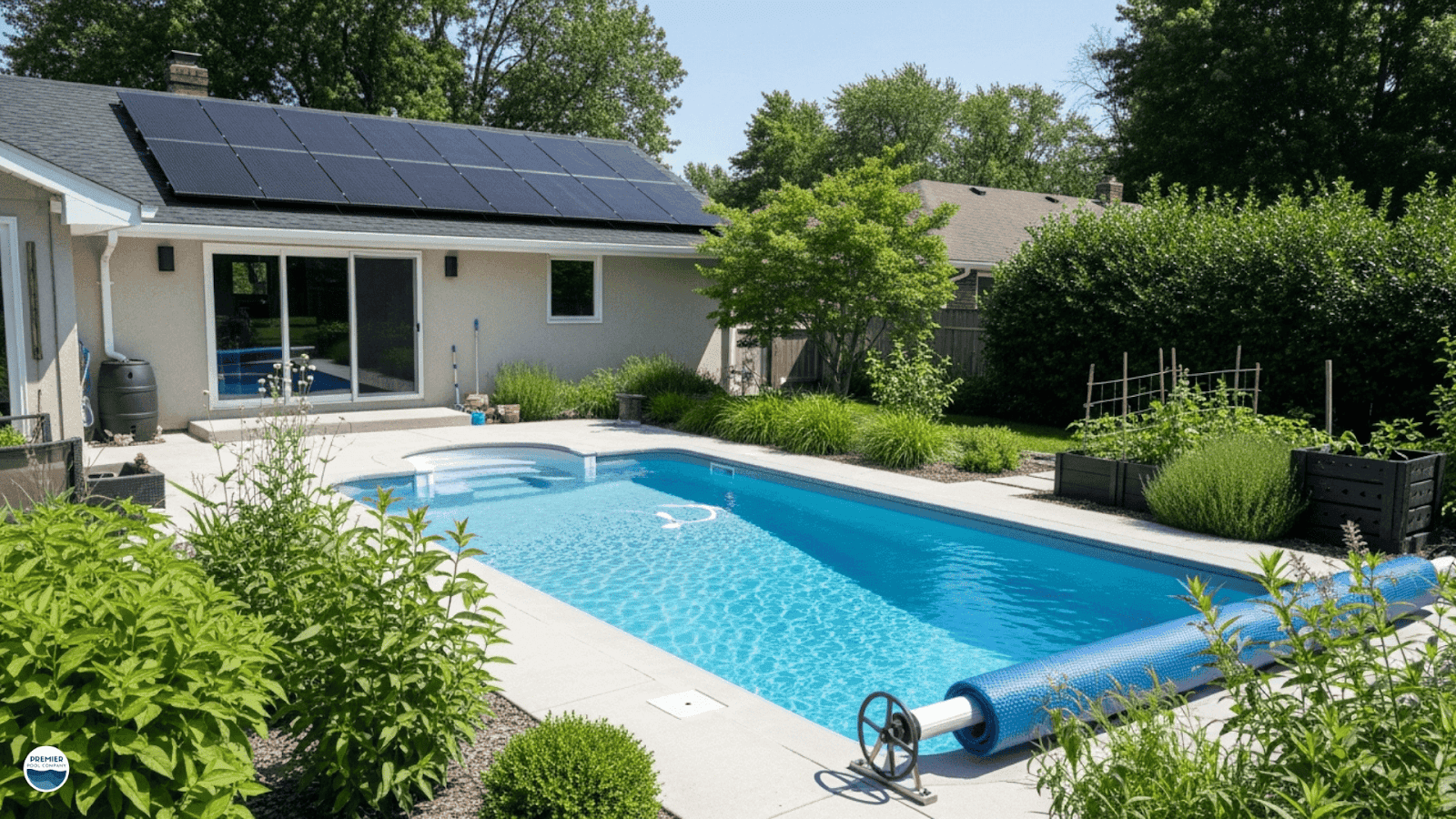
Fiberglass pools are a more sustainable option for environmentally conscious homeowners. Their superior heat retention reduces energy consumption, lowering overall fuel use and carbon emissions.
Because the surface is smooth and non-porous, fiberglass pools require fewer chemicals to maintain water quality. This means less chemical runoff and a healthier surrounding environment. They also experience reduced water evaporation, conserving water over time.
Additionally, fiberglass is recyclable, and many manufacturers follow eco-friendly production practices. Choosing fiberglass allows homeowners to enjoy a high-performance pool while minimizing their environmental footprint.
Environmental Benefits at a Glance:
• 50% Less Chemical Usage - Non-porous surface prevents algae, requiring fewer harsh chemicals
• Reduced Water Waste - Less frequent refilling due to better water retention
• Lower Carbon Footprint - Energy-efficient heating means less fuel consumption
• Recyclable Material - Fiberglass can be recycled at end of life
• Sustainable Manufacturing - Many manufacturers use eco-friendly production practices
For homeowners prioritizing sustainability, fiberglass pools are an eco-conscious choice that doesn't compromise on performance. Learn more about pool design trends.
Comparing Fiberglass Pools to Other Pool Types
Choosing the right pool type comes down to durability, maintenance, cost, and installation time. Fiberglass consistently delivers the best balance across all four.
Side-by-Side Comparison
Feature | Fiberglass | Concrete | Vinyl Liner |
Lifespan | 25–30+ years | 20–25 years | 7–10 years |
Installation Time | 2–4 weeks | 3–6 months | 6–8 weeks |
Maintenance Level | Low | High | Moderate |
Surface | Smooth, non-porous | Rough, porous | Smooth liner |
Resurfacing Needed | No | Yes (10–15 yrs) | Liner replacement |
Algae Resistance | Excellent | Poor | Moderate |
Long-Term Cost | Lower | Highest | Moderate |
Why Homeowners Choose Fiberglass
• Faster installation
• Lower lifetime maintenance costs
• Better resistance to cracking
• More energy efficient
• Comfortable swimming surface
Concrete offers full customization but requires more upkeep. Vinyl costs less upfront but requires liner replacements. Fiberglass provides durability, efficiency, and long-term savings in one package.
Final Thoughts: Is a Fiberglass Pool Right for You?
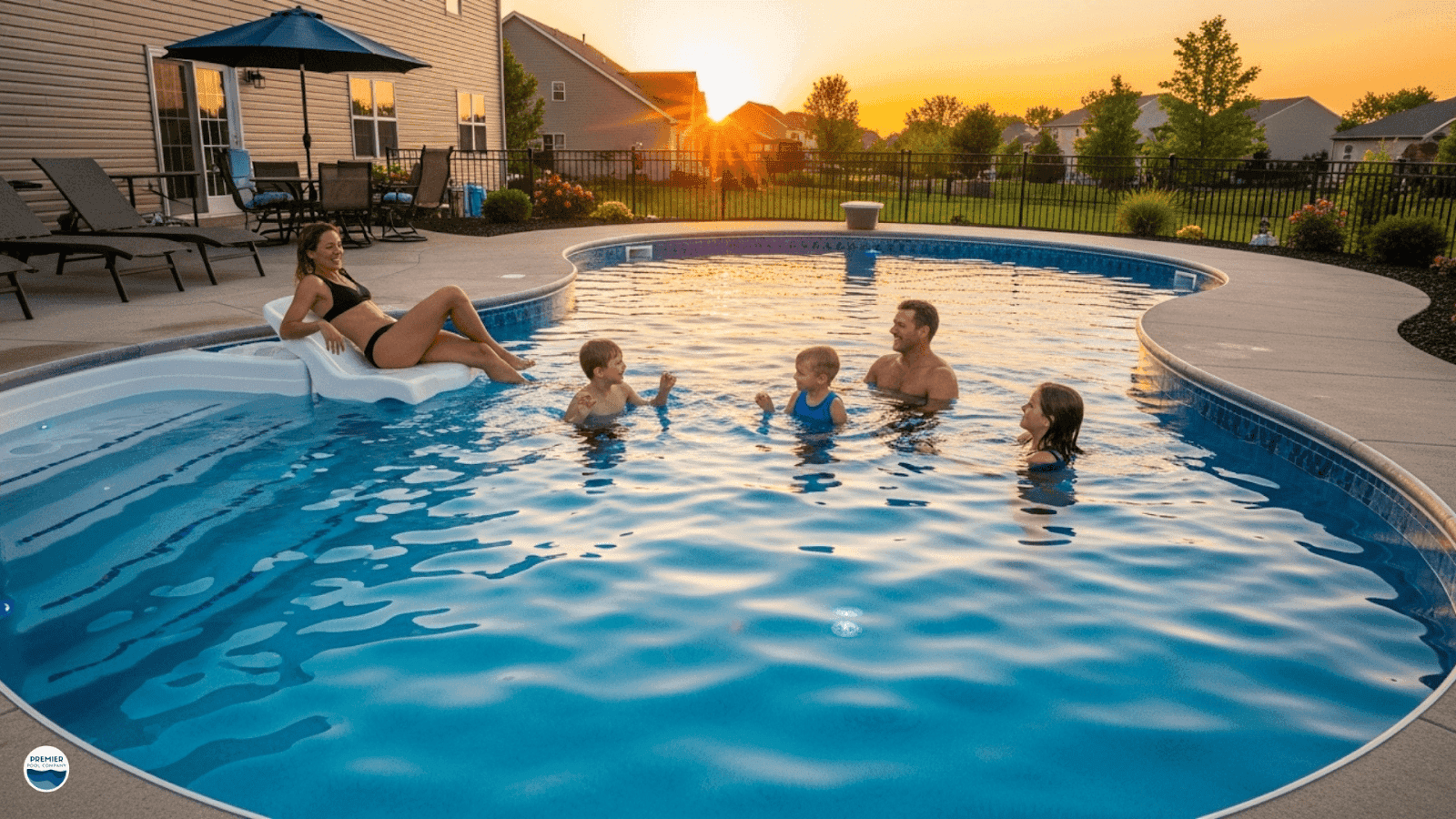
Fiberglass pools are a smart, long-term investment for Central Ohio homeowners. Between their durability, low maintenance, fast installation, safety features, and eco-friendly design, they outperform concrete and vinyl pools on virtually every measure that matters.
If you're ready to turn your backyard into your personal oasis, our team at Premier Pool Co. is here to help.
Contact ustoday for a free consultation and let's design the perfect fiberglass pool for your home.
Frequently Asked Questions About Fiberglass Pools
After years of helping homeowners make pool decisions, I've noticed the same questions come up again and again. Here are the honest answers:
1. How long does a fiberglass pool really last?
In my experience, a well-maintained fiberglass pool can easily last 25-30+ years. We've serviced fiberglass pools from the 1990s that still look fantastic. The gel-coat surface is incredibly resilient, and the structural integrity remains solid for decades. Compare that to vinyl liners that need replacement every 7-10 years, and you'll see why fiberglass is a long-term investment.
2. Can fiberglass pools crack in Ohio's cold winters?
This is a common concern, and I understand why. However, fiberglass is actually more flexible than concrete, which makes it better suited for freeze-thaw cycles. The material can flex slightly with ground movement, whereas concrete is rigid and prone to cracking. In my years installing pools in Central Ohio, I've seen far more concrete pool cracks than fiberglass issues.
3. Are fiberglass pools more expensive upfront?
Yes, the initial cost of a fiberglass pool is typically 10-20% higher than a comparable vinyl pool, but often comparable to or less than concrete. However, when you factor in the lifetime savings on maintenance, chemical costs, and no resurfacing needs, fiberglass pools often cost less overall. It's like buying a quality appliance, you pay more upfront but save in the long run.
4. Can I get a custom shape with fiberglass?
While fiberglass pools come in pre-manufactured shapes, there are dozens of modern designs available, from classic rectangles to freeform lagoon styles. At Premier Pool Co., we work with top manufacturers offering over 40 different shapes and sizes. Most homeowners find a design that fits their vision perfectly.
5. How much does it cost to heat a fiberglass pool?
Based on our client feedback, heating a fiberglass pool in Central Ohio costs about $400-600 per season (May-September) with a gas heater. That's roughly 30-40% less than heating a concrete pool of the same size, thanks to superior heat retention. Pair it with a solar cover, and you can reduce costs even further.
6. What's the best way to clean a fiberglass pool?
The smooth gel-coat surface makes cleaning incredibly easy. A weekly routine of skimming, brushing, and vacuuming (or using an automatic cleaner) is typically all you need. Unlike concrete, you won't need to scrub hard or use harsh chemicals. Most of my clients spend less than an hour per week on basic maintenance.
7. Can I install a fiberglass pool myself?
While it's technically possible, I strongly advise against it. Fiberglass pool installation requires specialized equipment (like a crane), precise excavation, proper plumbing knowledge, and understanding of local building codes. One mistake can lead to costly repairs or even structural failure. Professional installation ensures your investment is protected.
For more detailed information on fiberglass pools, including pros and cons, visit our
comprehensive guide.
More Blogs

Aaron Lehner
Do Fiberglass Pools Crack In Cold Weather As Per Ohio's Climate Changes?
Do fiberglass pools crack in cold weather? Learn what causes a fiberglass pool crack, how Ohio winters affect it, and how to prevent structural damage.
Aaron Lehner
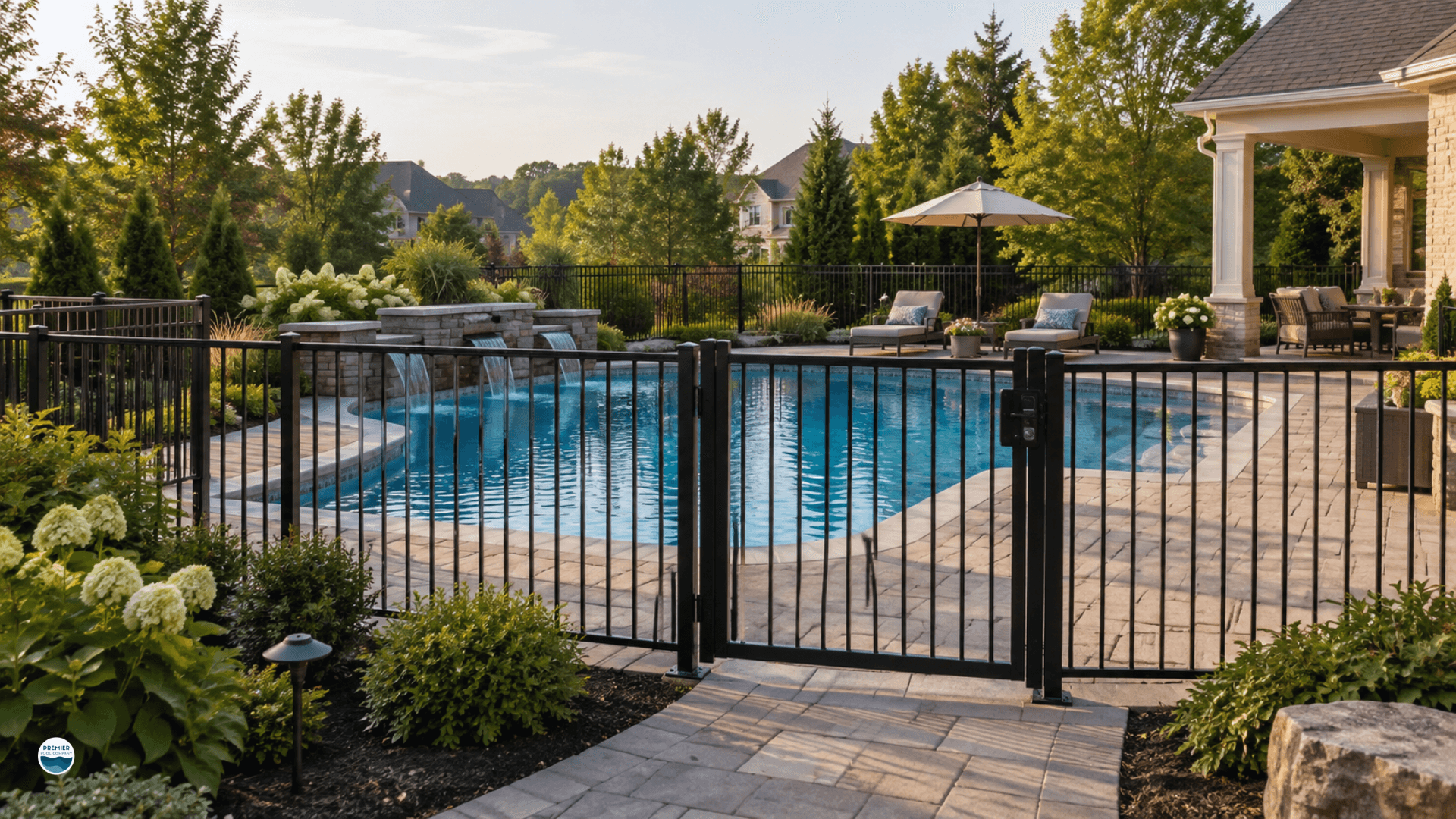
Pool Safety Regulations In Ohio - Everything You Need To Know
Learn Ohio pool safety regulations, including pool safety requirements, swimming pool fence rules, permits, gates, barriers, and local laws.

Aaron Lehner
Do Pools Add Value To A House In Ohio?
Do pools add value to a house in Ohio? Learn how pools affect resale value, appraisal, costs, buyer demand, and when an inground pool makes sense.