

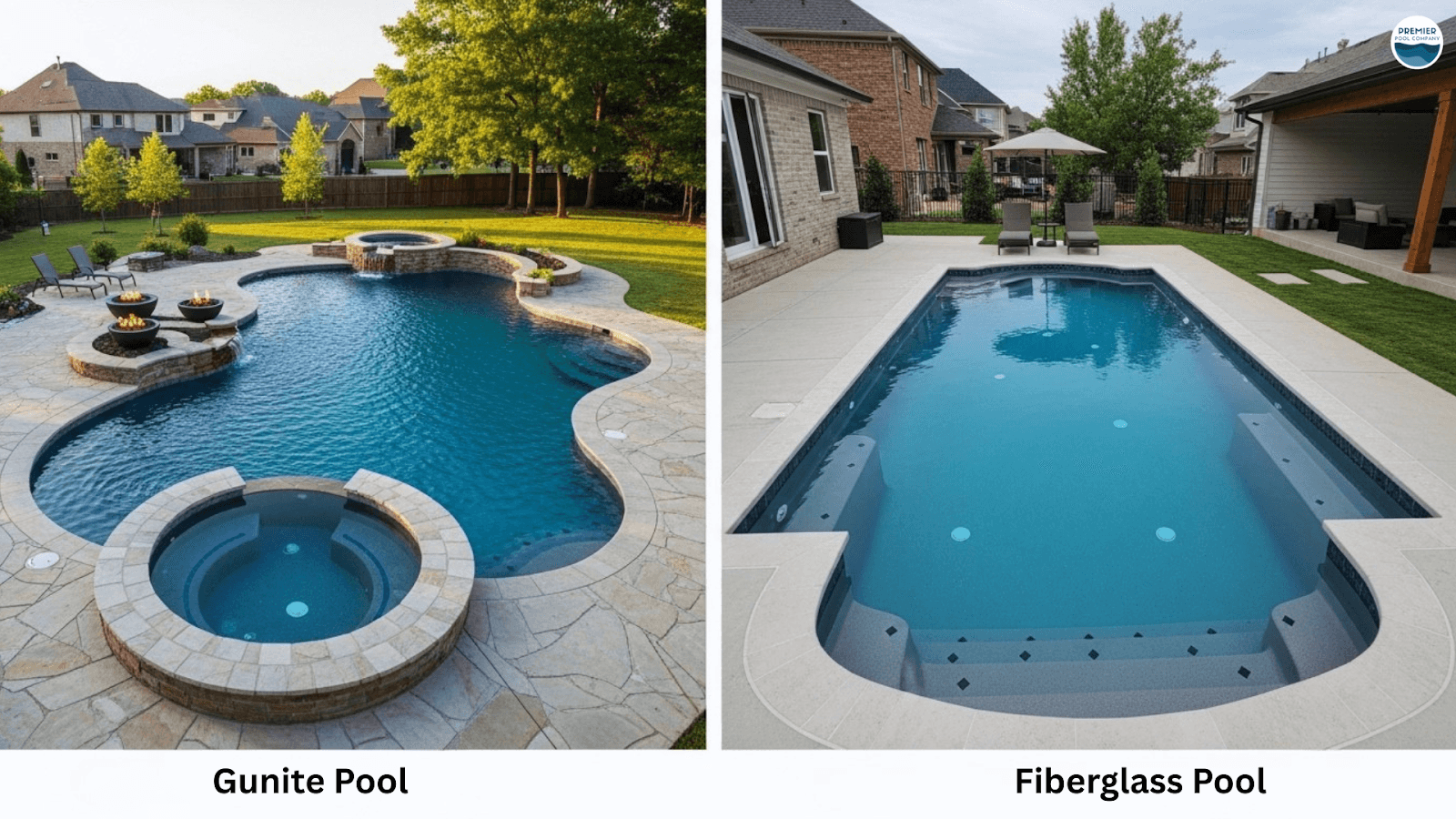
Gunite vs. Fiberglass Pools: Which One is Right for You?
Deciding between gunite and fiberglass pools? Discover the key differences, real costs, and long-term value of each option, so you can choose the perfect fit for your Central Ohio backyard.
Key Differences Between Gunite and Fiberglass Pools
I've been in construction for over a decade, and I can tell you firsthand, no two pool decisions are quite the same. At Premier Pool Co., Harold and I have walked hundreds of Ohio homeowners through this exact question: gunite or fiberglass? And I'll be honest, there's no one-size-fits-all answer. But once you understand how each pool is built and what you're signing up for in the long run, the right choice usually becomes clear.
Here's a quick breakdown before we go deeper:
TLDR – Gunite vs. Fiberglass Pools: What You Need to Know
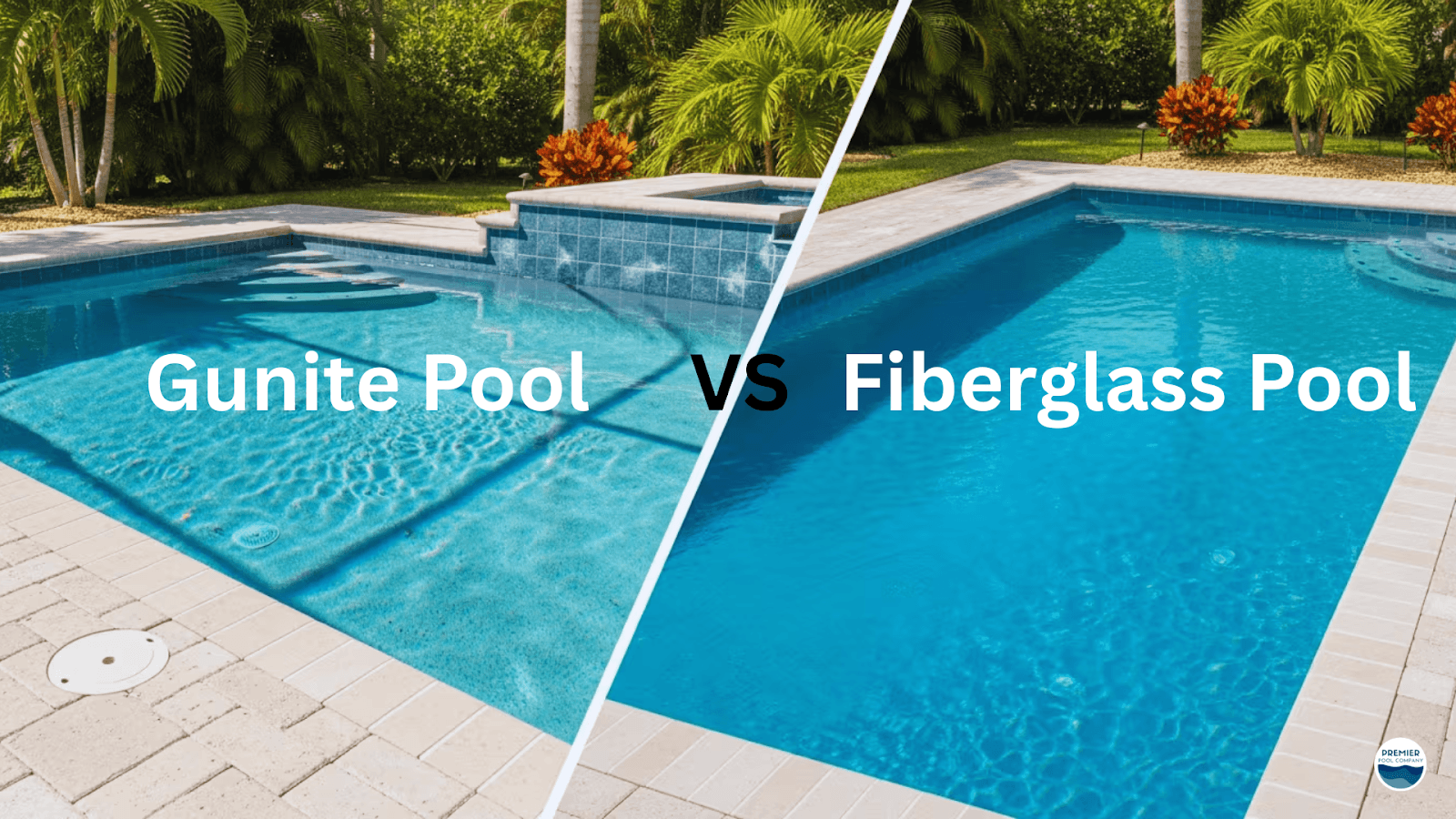
1. Gunite pools (also called concrete pools) are built on-site by spraying a sand-cement mix over a steel rebar framework, they can be shaped into almost anything.
2. Fiberglass pools are pre-manufactured shells installed in days, not months, ideal for Ohio homeowners who want a quick, low-fuss setup.
3. Gunite pools cost between $50,000 and $100,000+ upfront; fiberglass pools typically range from $35,000 to $85,000.
4. Gunite pools need resurfacing every 10–15 years, costing $6,000–$15,000 each time. Fiberglass pools rarely need resurfacing.
5. Fiberglass pools use approximately 30% less chlorine than concrete pools, saving money year after year.
6. Gunite pools win on full design customization; fiberglass pools win on speed, lower maintenance, and long-term affordability.
7. At Premier Pool Co., we build both, and we'll help you figure out which one actually fits your yard, lifestyle, and budget.
The fundamental difference comes down to how they're made. Gunite pools are constructed entirely on-site, the rebar is laid, and the gunite mixture is sprayed over it under high pressure. This means virtually unlimited shapes, depths, and configurations. Fiberglass pools, on the other hand, are precision-manufactured in a factory, delivered as a single shell, and installed in your backyard within a matter of days.
Advantages of Gunite Pools
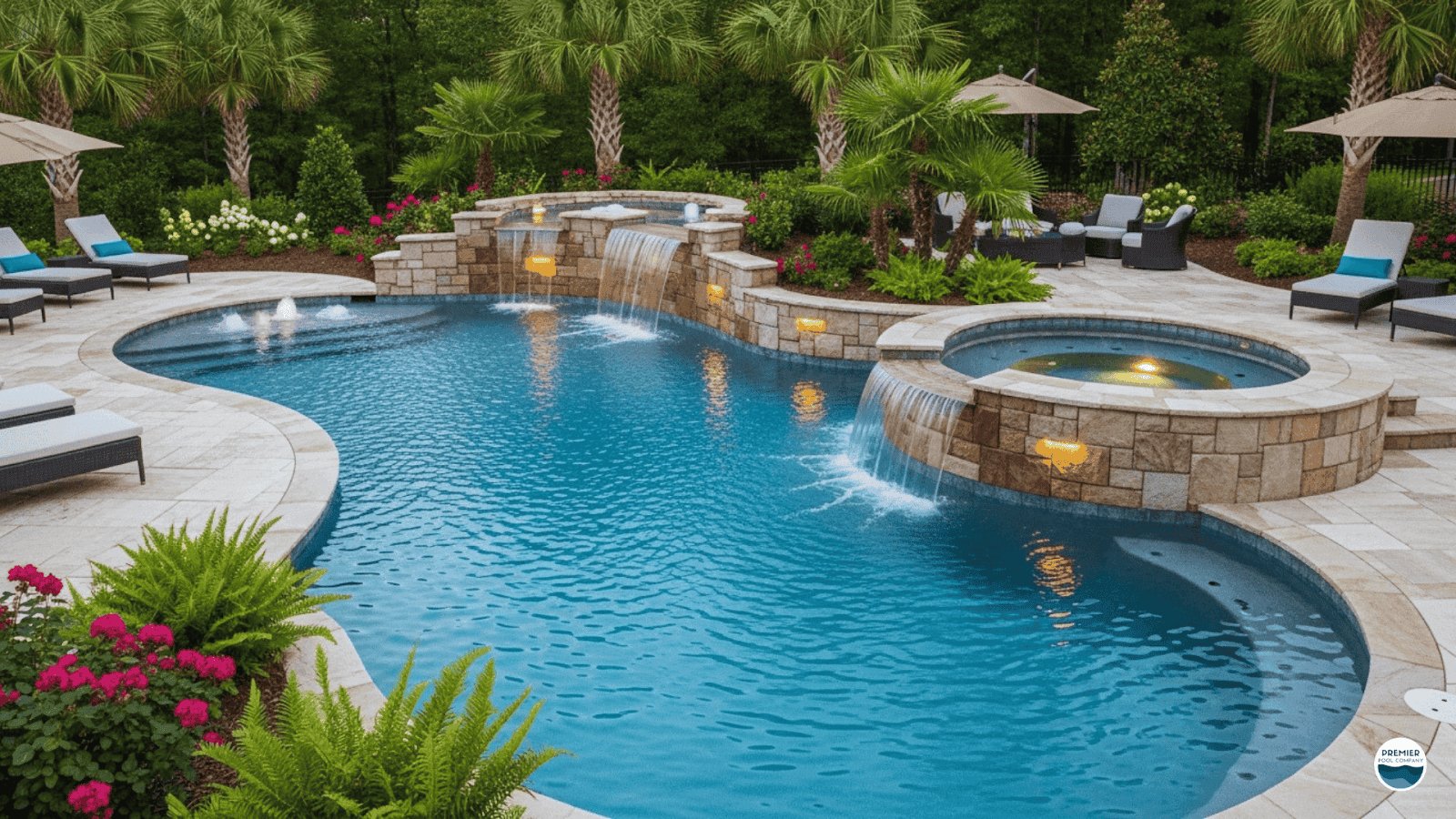
I'll be straightforward, gunite pools are impressive. There's something deeply satisfying about watching a pool take shape from nothing but rebar and concrete right in someone's backyard. If you've got a big vision, a complex yard, or a very specific aesthetic, gunite gives you the freedom to build it exactly how you want it.
Here's why many homeowners still choose gunite:
Unlimited Design Flexibility: Gunite pools can be built in any shape, size, or depth, freeform lagoons, geometric competition pools, multi-level designs with vanishing edges, you name it. No mold constraints.
Durable Structure: The steel rebar plus gunite combination creates an incredibly solid shell that handles heavy use and can last 50+ years with proper care.
Wide Range of Finishes: You can choose from plaster, pebble, quartz aggregate, or tile finishes, each giving a distinct look and feel. These finishes also come in dozens of color options.
Feature Integration: Waterfalls, grottos, tanning ledges, built-in spas, and swim-up bars are all easier to incorporate seamlessly into a gunite design.
Adaptable to Complex Terrain: If your yard has slopes or unusual dimensions, gunite is more adaptable than a fixed-shape fiberglass shell.
That said, these benefits come with trade-offs you need to understand before deciding. The construction timeline is longer, and the long-term maintenance is more demanding, which we'll get into shortly. If you'd like to explore the full range of our pool construction options in Central Ohio, our pool construction guide walks through everything step by step.
Advantages of Fiberglass Pools
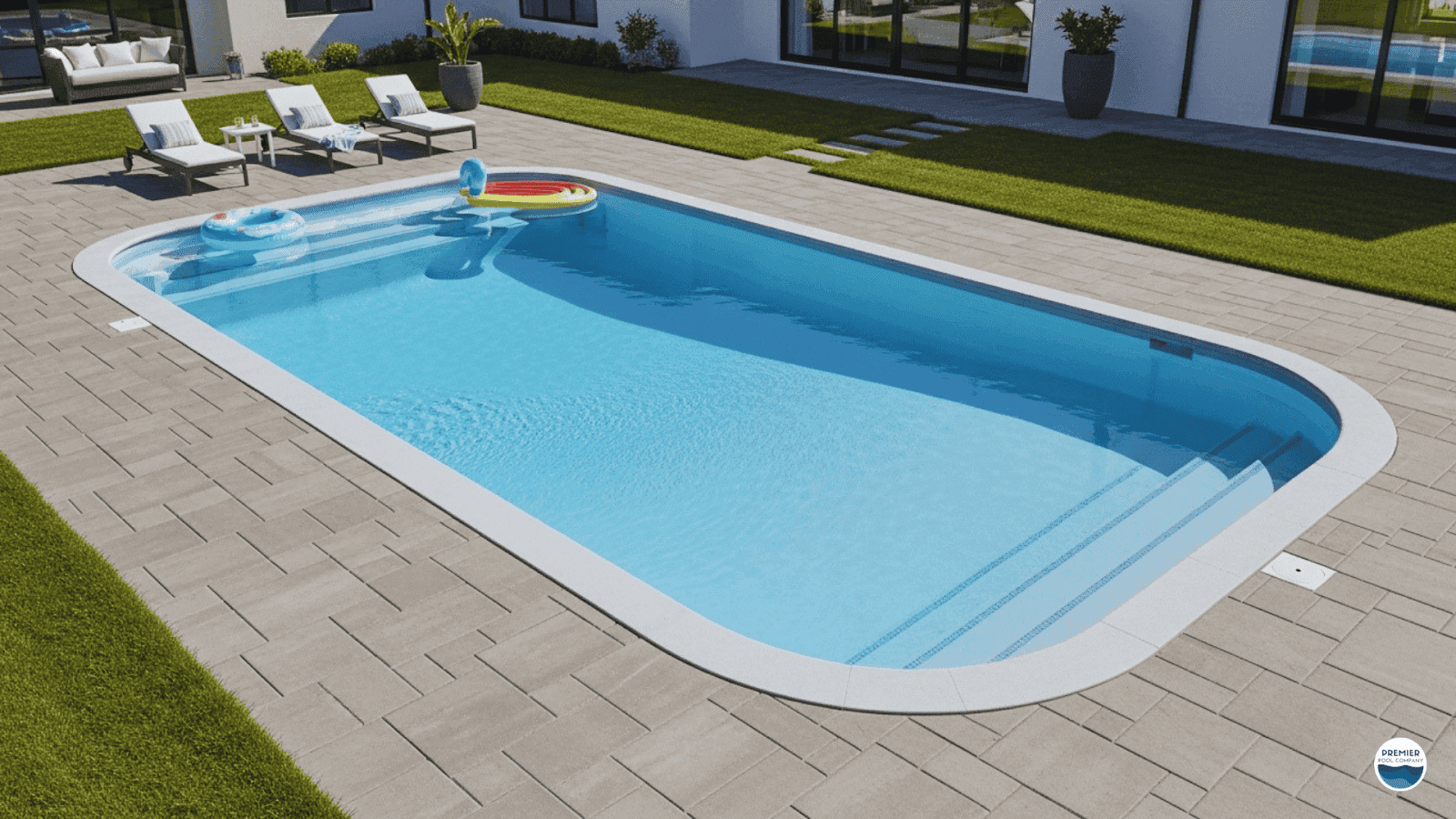
Here's where I'll share something I've noticed over the years: most Ohio homeowners who come to us initially thinking they want a gunite pool end up very seriously considering fiberglass once they understand the real differences. And many of them choose fiberglass, not because it's the cheaper option, but because it genuinely fits their life better.
Fiberglass pools have some serious advantages:
Fast Installation: Most fiberglass pools are swim-ready within 2–4 weeks. Gunite can take 3–6 months. For families with kids, that timeline matters a lot.
Low Maintenance Surface: The smooth, non-porous gel coat finish naturally resists algae growth, meaning you spend less time scrubbing and less money on chemicals, about 30% less chlorine usage compared to concrete pools.
No Resurfacing Required: Unlike gunite, you won't face a $6,000–$15,000 resurfacing bill every decade. The gelcoat surface holds up for decades without major refinishing.
Comfortable to Swim In: Fiberglass surfaces are smooth on skin, no scrapes, no rough edges. Especially important if you have young children.
Energy Efficiency: Fiberglass pools tend to retain heat better, which can reduce heating costs, something that matters in Ohio's cooler months.
Structural Flexibility: The fiberglass shell has slight flex, which actually helps it handle Ohio's freeze-thaw soil conditions better than rigid concrete.
If you want to explore what fiberglass pools look like up close, finishes, shapes, and what installation looks like, check out our fiberglass pools page for details.
Cost Comparison: Gunite vs. Fiberglass
Let's talk numbers, because this is where I see a lot of homeowners get surprised. The sticker price is only part of the story.
Here's an honest side-by-side breakdown:
Category | Gunite Pool | Fiberglass Pool |
Upfront Installation Cost | $50,000 - $100,000+ | $35,000 - $85,000 |
Installation Timeline | 3 - 6 months | 2 - 4 weeks |
Resurfacing (every 10-15 yrs) | $6,000 - $15,000 | Not typically needed |
Annual Chemical Costs | Higher (porous surface) | ~30% less than gunite |
Long-Term Maintenance | More intensive | Low maintenance |
Lifespan | 50+ years (with upkeep) | 25-30+ years |
When you factor in resurfacing costs, higher chemical needs, and more frequent cleaning, gunite pools can cost significantly more over a 20-year period, even if the fiberglass pool has a comparable upfront price. Our inground pool cost guide for 2025 breaks down these numbers in even more detail if you want a deeper look before making your decision.
That said, a custom gunite build with premium finishes, water features, and complex design elements may absolutely justify the investment, especially if you're building a showpiece backyard.
Installation Process: Gunite vs. Fiberglass
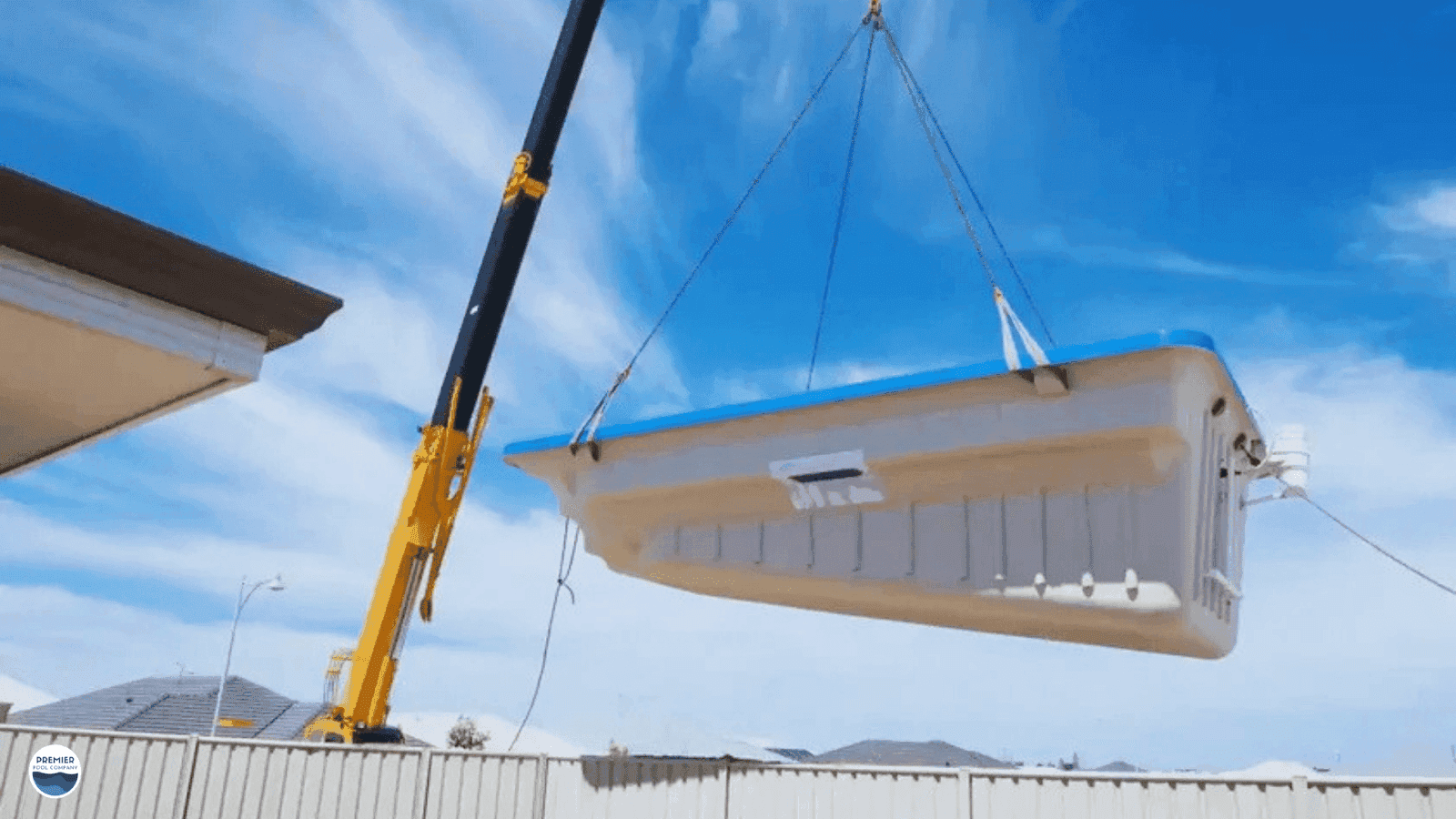
Understanding how each pool is built helps you set realistic expectations, especially around timing and disruption to your yard.
Gunite Pool Installation
Gunite pool construction is a multi-stage process. Here's how it typically unfolds:
1. Design & Permitting: Work with your pool contractor to finalize design, shape, and features. Permits are pulled before any ground is broken.
2. Excavation: The pool area is dug out to the specified dimensions. This is usually the most disruptive phase for your yard.
3. Rebar Framework: Steel rebar is laid and tied to create the structural skeleton of the pool. This stage determines the pool's strength and shape.
4. Gunite Application: A mixture of sand and cement is sprayed over the rebar at high pressure using a pneumatic hose. The material is then hand-troweled to smooth and shape the surfaces.
5. Curing Period: Gunite must cure for at least 28 days before the finish coat is applied. During this time, the shell is kept wet to prevent cracking.
6. Interior Finish Application: Once cured, the chosen finish, plaster, pebble, quartz, or tile, is applied.
7. Plumbing, Equipment & Fill: Pool equipment (pump, filter, heater) is installed, plumbing is connected, and the pool is filled and balanced.
Total timeline: 3–6 months, depending on design complexity and weather.
Fiberglass Pool Installation
Fiberglass installation is a much more streamlined process:
1. Excavation: The hole is dug to match the pool shell's dimensions.
2. Base Preparation: A gravel or sand base is laid to support the shell properly.
3. Shell Delivery & Placement: The factory-manufactured shell is transported by crane or truck and lowered into the excavation.
4. Backfilling & Plumbing: The shell is backfilled with gravel while simultaneously filling with water to equalize pressure. Plumbing is connected.
5. Decking & Finishing: Coping, decking, and landscaping complete the installation.
Total timeline: 2–4 weeks in most cases.
The speed difference is dramatic. Fiberglass simply has far fewer construction stages, which also means fewer opportunities for weather delays or on-site mistakes.
Maintenance: What to Expect Long-Term
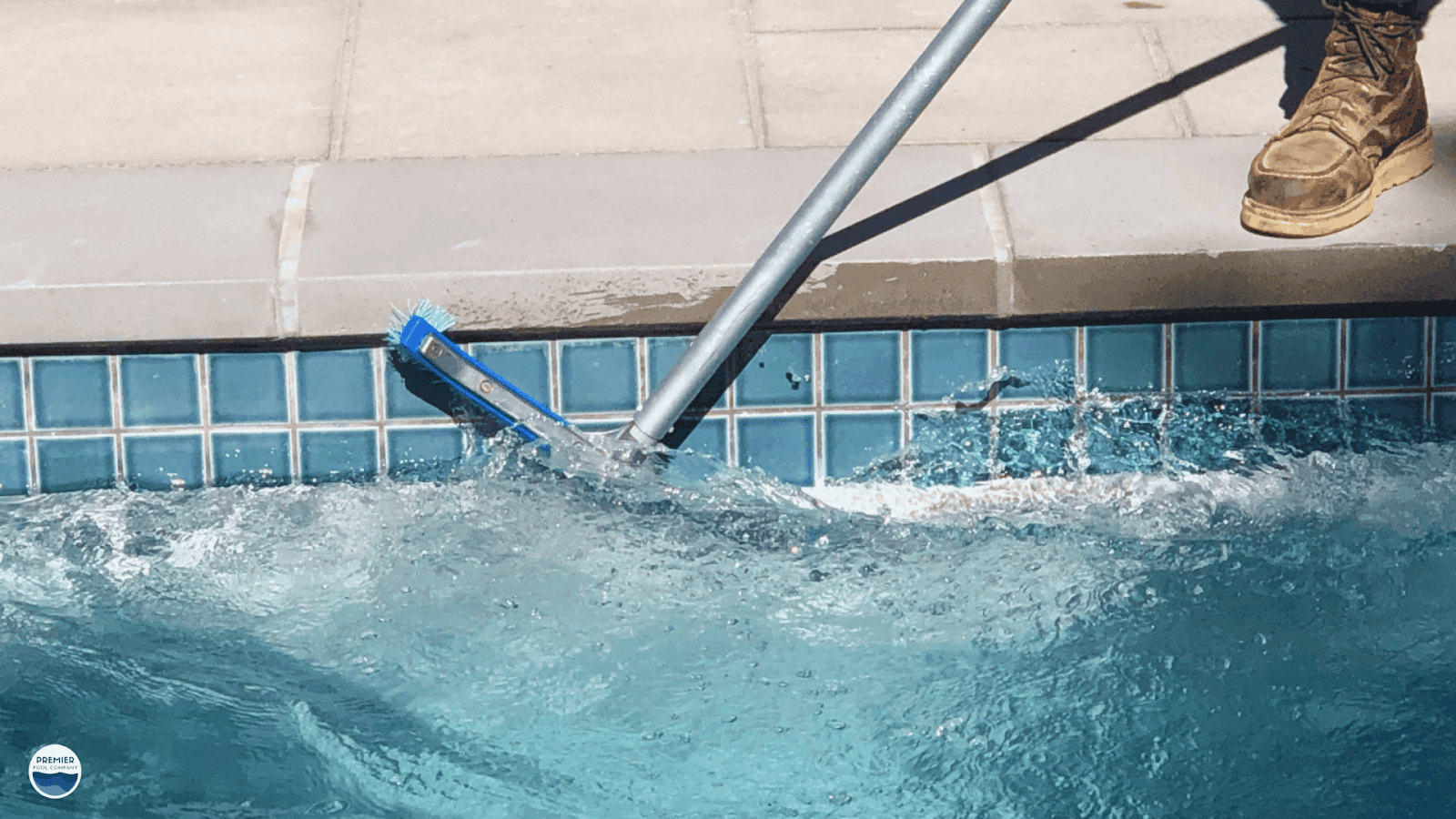
This is where a lot of homeowners realize they underestimated the true cost of pool ownership, and it's where gunite and fiberglass diverge the most.
Gunite pools have a porous surface that absorbs water, which makes algae easier to establish. You'll need to brush the walls more frequently, use more chemical treatments, and eventually, usually every 10 to 15 years, have the interior surface replastered or refinished.
Fiberglass pools have a factory-applied gelcoat that's smooth and non-porous. Algae doesn't find a foothold as easily, chemistry stays more stable, and the surface typically doesn't need major refinishing for 25–30 years or more.
Here's a practical maintenance comparison:
Task | Gunite Pool | Fiberglass Pool |
Wall Brushing | 2-3x per week | 1x per week or less |
Chemical Usage | Higher (porous surface) | ~30% lower |
Resurfacing | Every 10-15 years | Rarely needed |
Algae Risk | Higher | Significantly lower |
Annual Maintenance Budget | $1,500 - $3,000+ | $750 - $1,500 (est.) |
If you're thinking about low-maintenance pool options, you might also find our fiberglass inground pools pros and cons guide helpful, it goes through every ownership consideration in detail.
Which Pool Type Is Right for You?
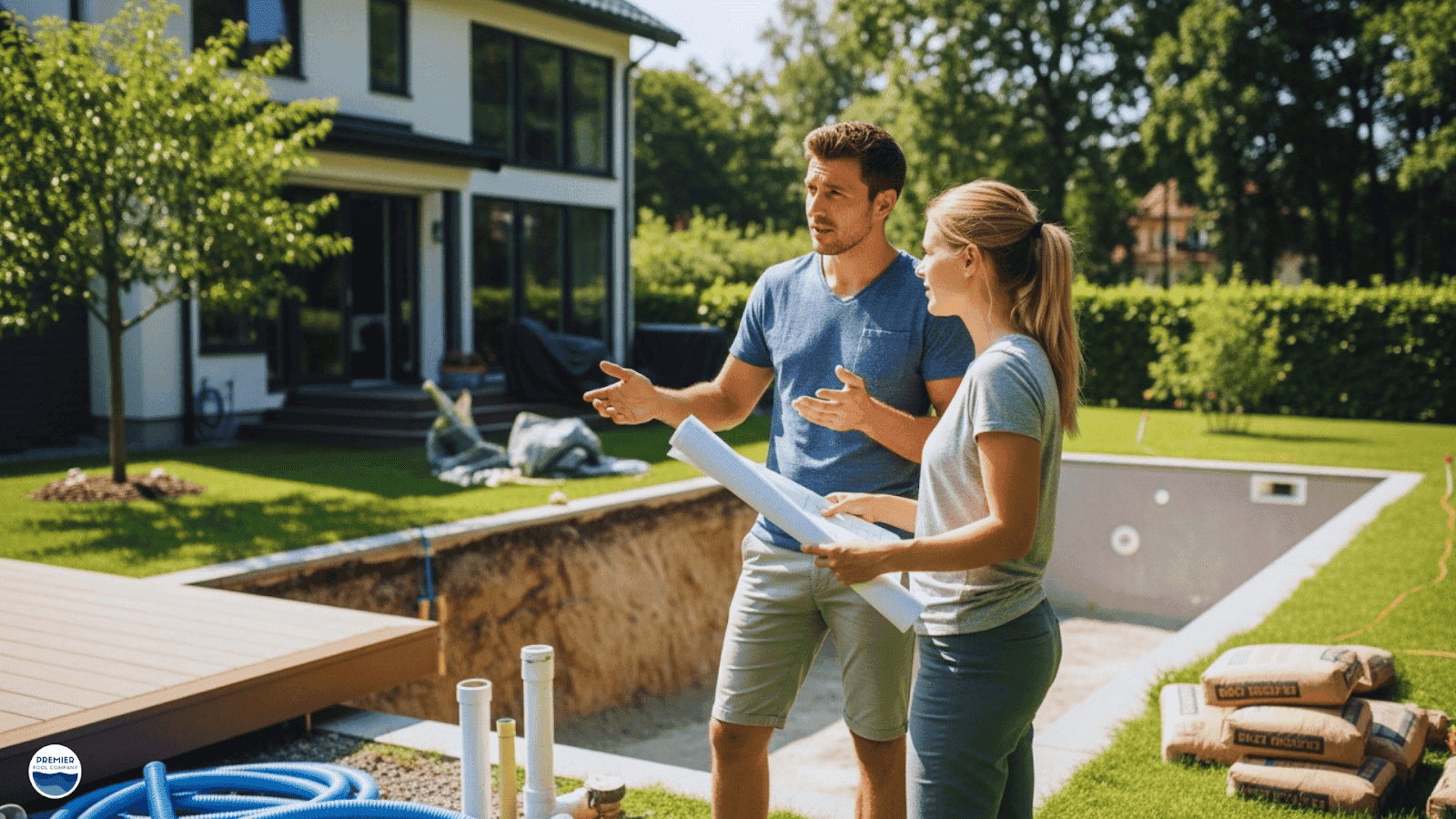
Here's how I typically help homeowners decide when they sit down with us:
Choose a Gunite Pool If You:
Want complete design freedom, unusual shapes, depths, or custom water features.
Are building a large, complex backyard that will serve as an entertainment centerpiece.
Have the budget for both the build and ongoing maintenance.
Plan to stay in the home long-term and want to invest in a premium custom build.
Have specific accessibility requirements that need a custom configuration.
Choose a Fiberglass Pool If You:
I want to be swimming sooner rather than later.
Prefer lower ongoing maintenance and chemical costs.
Have a yard that fits standard fiberglass shell dimensions.
Are balancing your pool budget with other landscaping or outdoor living investments.
I have young children and want a smooth, safe swimming surface.
Both options can create a beautiful backyard, the right choice depends on your priorities. If you're still not sure, our above ground vs. inground pool guide for Ohio homeowners might help you think through the decision from a broader perspective.
Summary: Key Topics Covered
Q: What is the main difference between gunite and fiberglass pools?
A: Gunite pools are built on-site with concrete and rebar and offer unlimited customization. Fiberglass pools are factory-manufactured shells installed quickly with minimal ongoing maintenance.
Q: Which is more expensive, gunite or fiberglass?
A: Gunite pools typically cost more upfront ($50,000–$100,000+) and significantly more over time due to resurfacing and chemical costs. Fiberglass pools ($35,000–$85,000) tend to be more cost-effective over 15–20 years of ownership.
Q: How long does each type take to install?
A: Gunite pools take 3–6 months. Fiberglass pools are typically swim-ready in 2–4 weeks.
Q: Which pool is better for Ohio's climate?
A: Fiberglass pools handle Ohio's freeze-thaw cycles better due to their flexible shell structure. Gunite pools in colder climates are more susceptible to cracking without proper winterization.
Final Thoughts: Making the Right Choice for Your Backyard
After building pools across Central Ohio for years, here's my honest take: both gunite and fiberglass pools can give you an incredible backyard. The decision comes down to what you value most, creative freedom and a truly custom build, or fast installation, lower maintenance, and long-term savings.
If you have a bold backyard vision with unique shapes and water features, gunite gives you that canvas. If you want a reliable, beautiful pool that you can be swimming in within weeks and spending less time maintaining, fiberglass is tough to beat.
At Premier Pool Co., we specialize in both, and we don't push one over the other. We build what's right for you. If you're ready to start planning your pool, reach out to us for a
free consultationand let's figure out which option makes the most sense for your yard, your timeline, and your budget.
FAQs: Gunite vs. Fiberglass Pools
How long does a gunite pool last compared to fiberglass?
A gunite pool can last 50 years or more with proper maintenance, including periodic resurfacing every 10–15 years. A fiberglass pool typically lasts 25–30+ years with minimal major maintenance, the gelcoat surface holds up well without replastering.
Is a fiberglass pool cheaper to maintain than gunite?
Yes. Fiberglass pools use approximately 30% less chlorine than concrete/gunite pools, don't require resurfacing, and are less prone to algae. Annual maintenance costs for fiberglass are typically 50% lower than for gunite pools.
Can gunite pools be built in any shape?
Yes, that's one of their biggest advantages. Because gunite is sprayed and shaped on-site, there are virtually no limits on shape, size, or depth. Fiberglass pools are limited to pre-manufactured shell dimensions.
Do fiberglass pools crack?
Fireglass shells can crack under poor installation conditions, particularly if the ground wasn't properly prepared. However, the fiberglass material's natural flexibility also helps it absorb ground movement, which actually makes it more resilient than concrete in freeze-thaw climates like Ohio's.
Which pool type adds more home value?
Both add value, but gunite pools with premium finishes and custom features tend to add more in absolute dollar terms for luxury properties. However, fiberglass pools are often seen as more attractive to buyers concerned about long-term maintenance.
More Blogs

Aaron Lehner
Pool Water Testing in Ohio: A Beginner's Guide to Getting It Right
Pool water testing in Ohio was simple. Learn how to test chlorine, pH, alkalinity, and calcium hardness to keep your pool clear, balanced, and swim-ready.

Aaron Lehner
Paver Patio vs Concrete Pool Decks (Based on Ohio Climate)
Compare paver patio vs concrete pool decks in Ohio. Learn how pavers vs concrete patio options handle freeze-thaw cycles, drainage, heat, and maintenance.

Aaron Lehner
7 Best Pool Features To Add To Your Backyard In 2026
Discover the best pool features, custom pool features and swimming pool features for 2026, plus practical pool feature ideas that keep your Ohio backyard stunning and durable.