

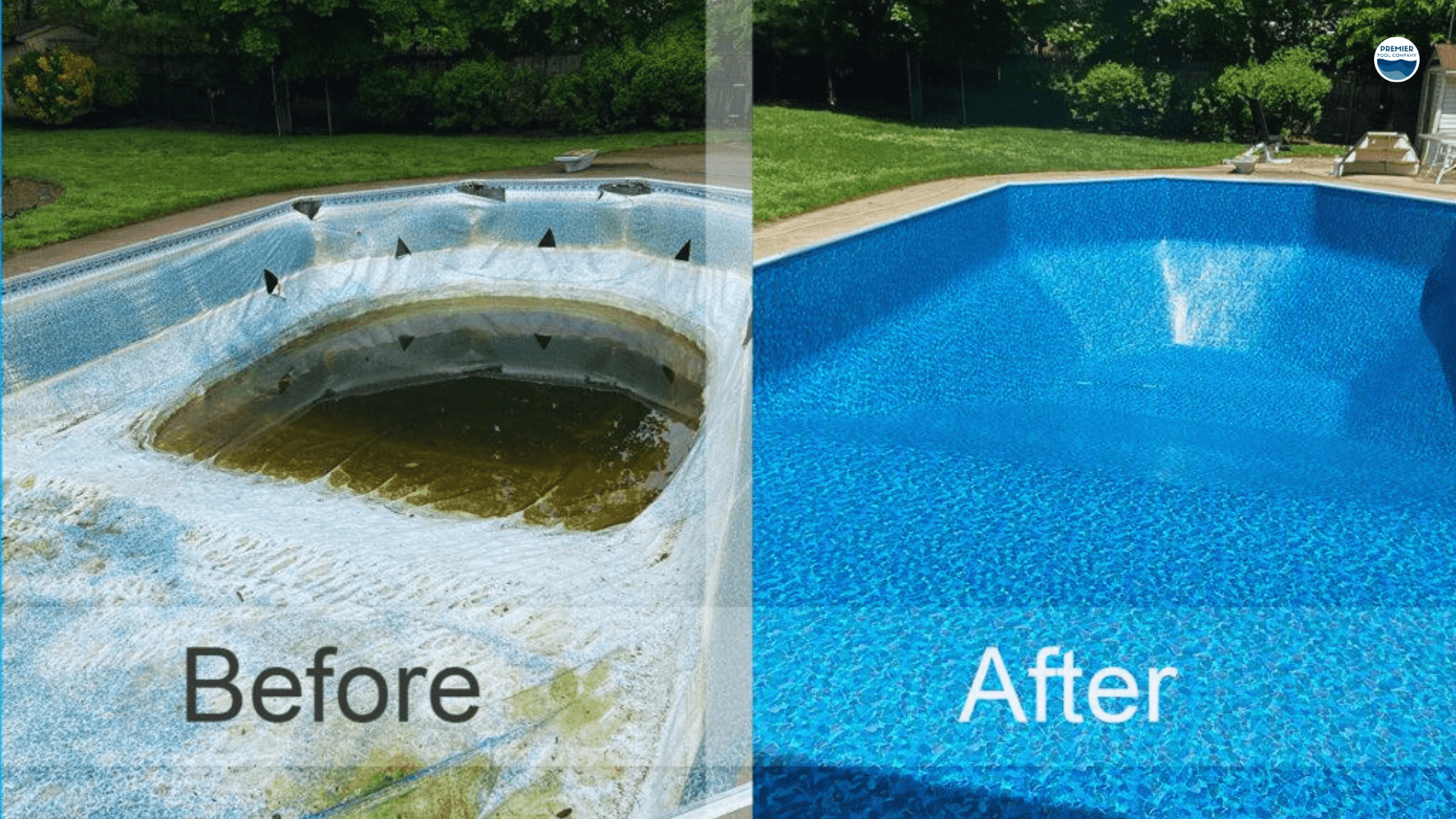
Considering a pool liner replacement? I'm Aaron Lehner, founder of Premier Pool, and over the years, I've helped hundreds of pool owners in Central Ohio navigate this crucial decision. In this guide, I'll share what I've learned about the long-term value and benefits of investing in a quality pool liner replacement.
After you've had your pool for a while, you start noticing the signs: fading color, rough texture, maybe a small leak here and there. The question isn't usually if you need a new pool liner cost to replace, but when-and whether the investment is truly worth it. I've had countless conversations with homeowners wrestling with this exact question, and I can tell you: Understanding the pool liner cost to replace is essential for making an informed decision that protects your long-term investment.
TL;DR: Quick Takeaways
• Pool liner replacement costs range from $1,500-$4,000 for vinyl, $5,000-$15,000 for fiberglass, and $10,000-$20,000+ for concrete liners.
• Quality liner replacement prevents structural damage, improves water quality, and enhances energy savings.
• Vinyl liners last 5-10 years, fiberglass 15-30 years, and concrete 30+ years with proper pool maintenance.
• Professional installation ensures longevity and performance, reducing the pool liner cost to replace over time.
• Regular maintenance can extend your liner's lifespan significantly and maximize your long-term investment.
• Investing in a new liner improves pool aesthetics, safety, and overall property value.
Understanding Pool Liners: Types and Materials
When it comes to maintaining a swimming pool, the liner is one of the most crucial components for both pool aesthetics and durability. At Premier Pool, I always tell clients that pool liners not only enhance the aesthetic appeal of your pool but also protect its structure and ensure longevity. Let me walk you through the most common types you'll encounter.
The most common types of pool liners include vinyl, fiberglass, and concrete. Each type comes with its own set of advantages and disadvantages, and selecting the right one for your pool can make a significant difference in pool maintenance and overall enjoyment. Understanding these differences is critical when considering the pool liner cost to replace.
Vinyl Liners: Affordable and Flexible
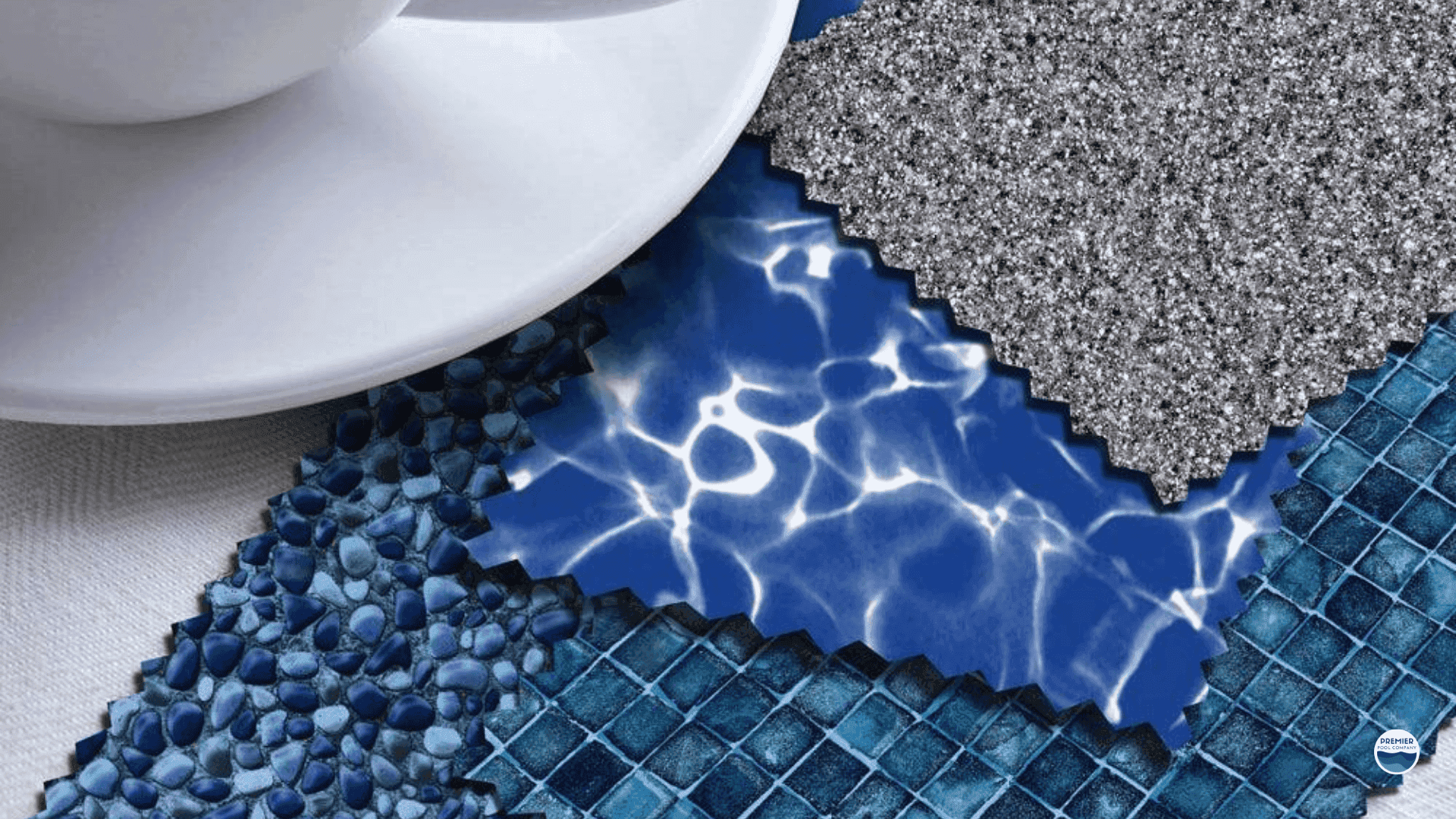
Vinyl liners are popular for their affordability and flexibility. They come in a wide array of designs and colors, allowing pool owners to customize their pools to match their personal style. We've installed hundreds of vinyl pool liners, and they're often the first choice for homeowners looking for cost-effectiveness without sacrificing pool aesthetics.
Vinyl liners are generally easier to install compared to other types and can be replaced without much hassle. However, they are prone to punctures and may require frequent patching, especially if the pool is used heavily. Regular pool maintenance and seasonal upkeep are essential to maximize their 5-10 year lifespan.
Here is the ultimate guide on
Vinyl Pool Liner Carefor you to learn more.
Fiberglass Liners: Durability Meets Low Maintenance
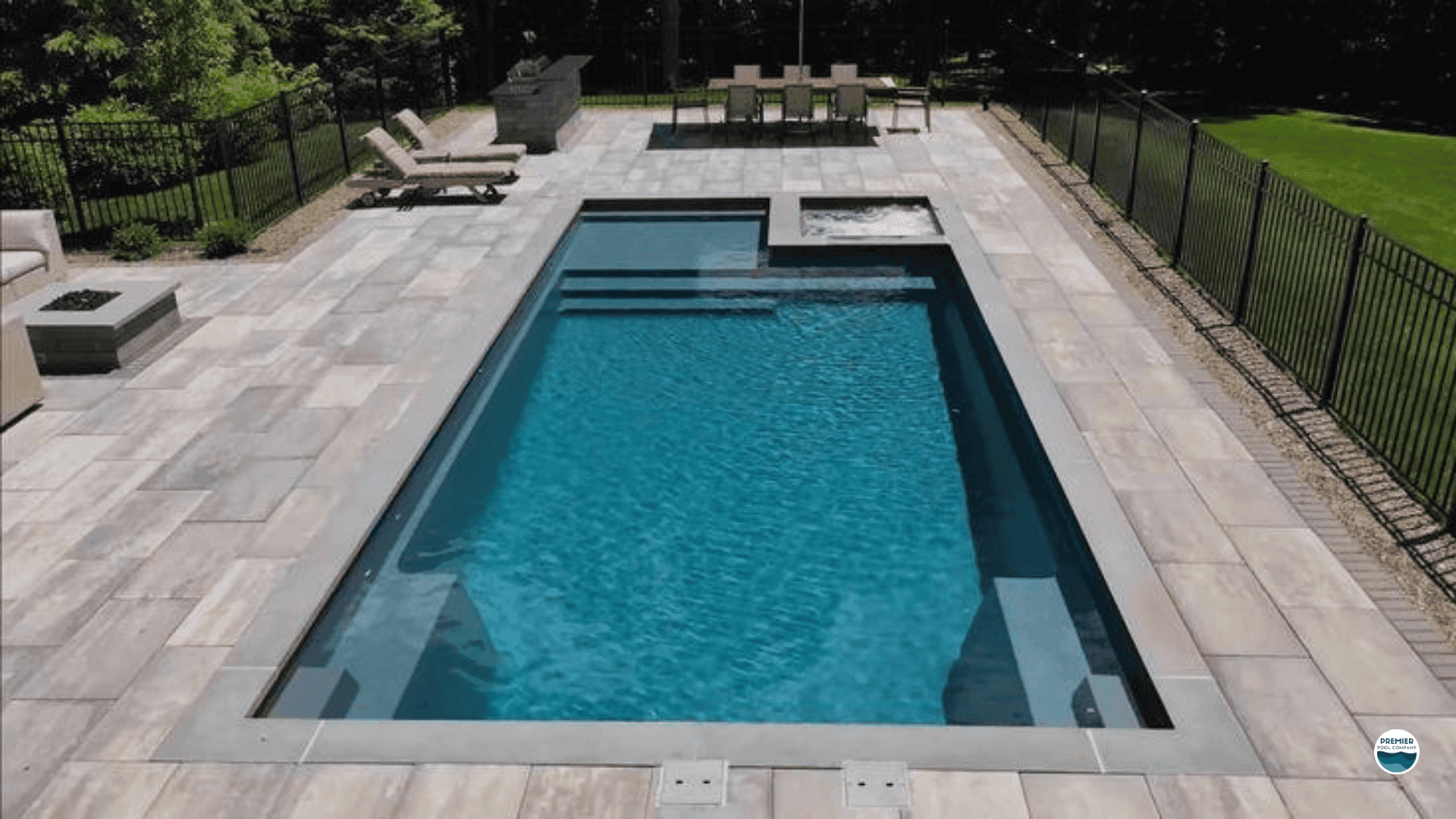
Fiberglass liners, on the other hand, are known for their durability and low pool maintenance requirements. Unlike vinyl liners, fiberglass is less susceptible to algae growth, which means fewer chemicals are needed to maintain water quality. These liners are usually prefabricated and installed in one piece, making the installation process quicker.
However, the initial pool liner cost to replace with fiberglass can be higher, and they offer limited customization options. If you're interested in learning more about fiberglass options, check out our comprehensive guide on fiberglass inground pools.
Concrete Liners: Maximum Durability and Customization
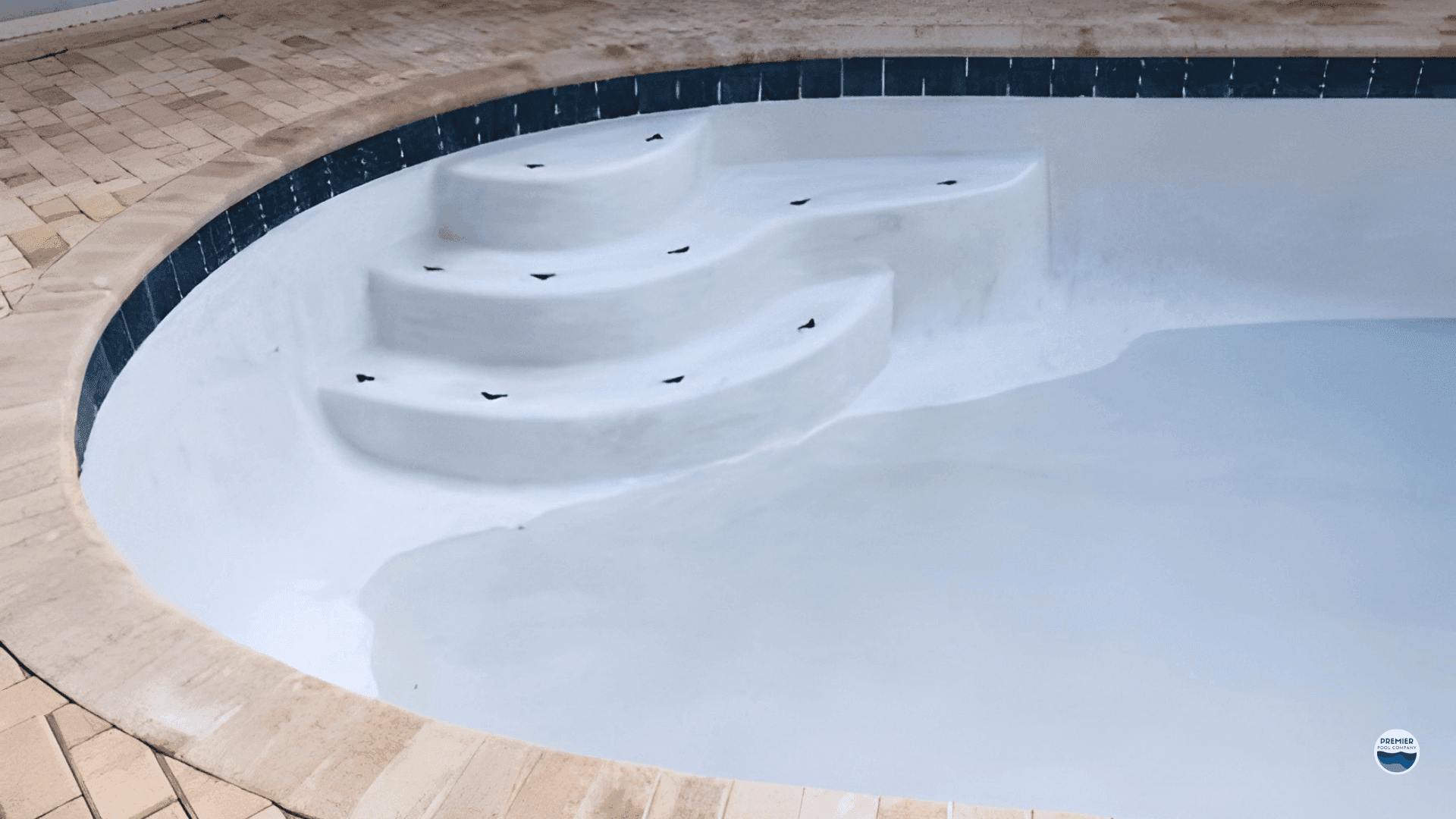
Concrete liners are the most durable and customizable option available. They can be shaped to fit any pool design and can be finished with various materials like tile or plaster. Concrete liners are incredibly sturdy and can last for decades with proper care, making them an excellent long-term investment.
However, they are also the most expensive to install and maintain. Regular resurfacing is required to keep them in good condition, and the porous nature of concrete can make algae control more challenging. The pool liner cost to replace concrete surfaces typically requires professional expertise and significant pool refurbishment work.
Pool Liner Comparison Table
Liner Type | Lifespan | Cost Range | Maintenance | Best For |
Vinyl | 5-10 years | $1,500-$4,000 | Moderate | Budget-conscious homeowners |
Fiberglass | 15-30 years | $5,000-$15,000 | Low | Low-maintenance seekers |
Concrete | 30+ years | $10,000-$20,000 | High | Custom designs, long-term value |
The Average Cost of Pool Liner Replacement
Understanding the pool liner cost to replace is crucial for budget planning and making informed decisions about your pool refurbishment. Over my years at Premier Pool, I've helped homeowners navigate these costs, and I want to share realistic expectations.
Vinyl Liner Replacement Costs
Replacing a pool liner is a long-term investment that can vary significantly in cost depending on several factors. On average, pool owners can expect to spend between $1,500 to $4,000 for a vinyl liner replacement. This estimate includes the cost of the liner itself, labor, and any additional materials needed for installation. The price can fluctuate based on the size and shape of the pool, as well as the quality of the liner chosen.
For those considering vinyl pools, I recommend reading our detailed breakdown on
vinyl liner inground pool coststo understand the full investment picture.
Fiberglass Liner Replacement Costs
Fiberglass liners, while more durable, come with a higher price tag. The average pool liner cost to replace with fiberglass can range from $5,000 to $15,000. This higher cost is due to the precision required in manufacturing and installing the liner. Despite the initial expense, many pool owners find that the long-term savings in pool maintenance, chemical costs, and improved water quality make fiberglass liners a worthwhile long-term investment.
Concrete Liner Replacement Costs
Concrete liners are the most expensive to replace, with costs averaging between $10,000 to $20,000 or more. This price includes the extensive labor involved in resurfacing the pool, as well as the materials needed to achieve the desired finish. While the upfront pool liner cost to replace is high, the longevity, durability, and customization options of concrete liners can justify the investment for many pool owners.
Factors Influencing Pool Liner Replacement Costs
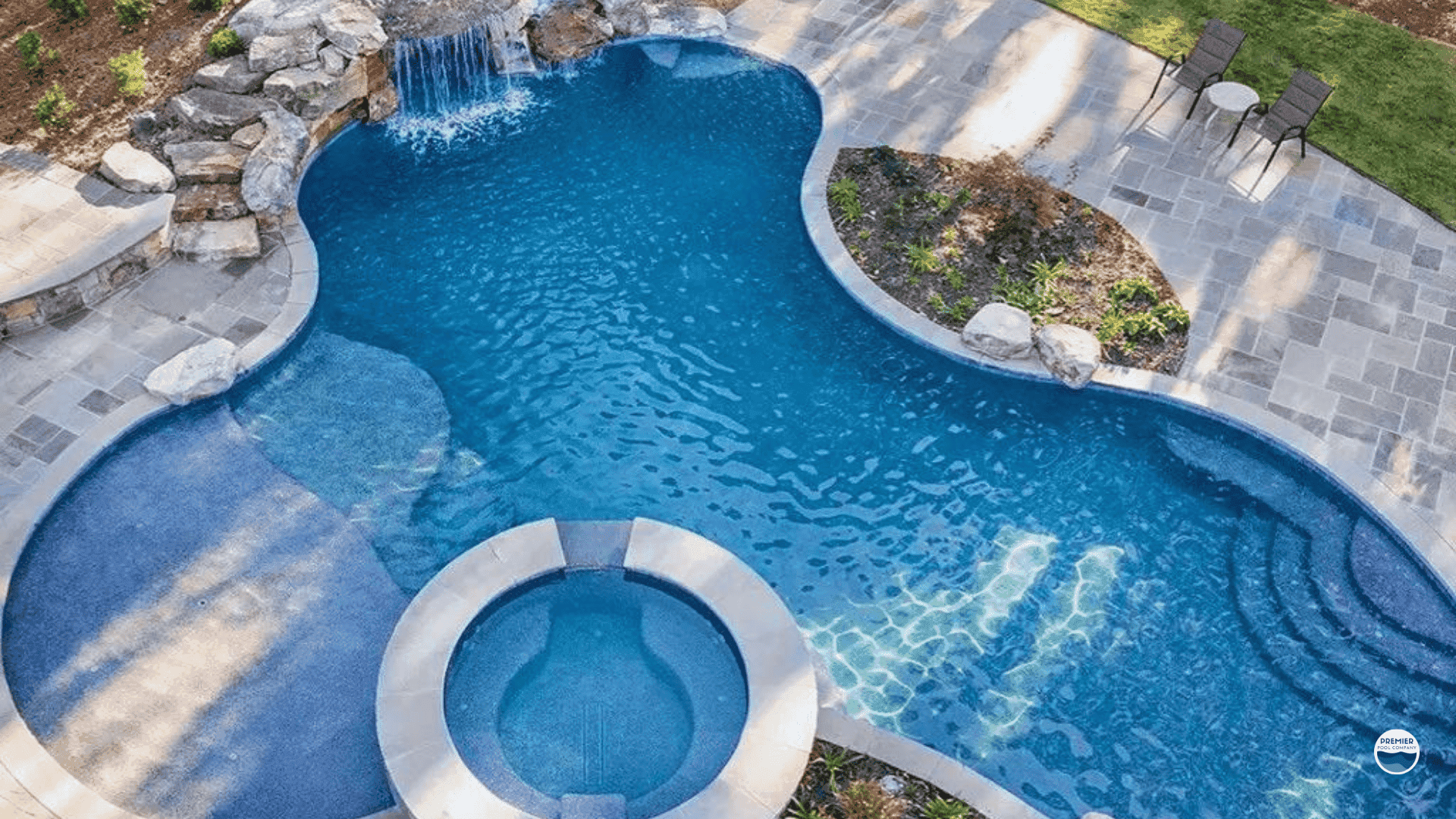
Several factors can influence the overall pool liner cost to replace, and understanding these will help you budget appropriately for your pool refurbishment project.
Size and Shape Considerations
One of the most significant factors is the size and shape of the pool. Larger pools require more material, which naturally increases the pool liner cost to replace. Additionally, irregularly shaped pools or those with unique features like steps, benches, or built-in spas may require custom liners, further driving up the price.
Liner Quality and Thickness
The quality of the liner chosen also plays a crucial role in the overall cost and long-term investment value. Higher-quality liners made from thicker materials (typically 20-30 mil for vinyl) or those with additional protective coatings tend to be more expensive but offer better durability and longevity. Investing in a high-quality liner can reduce the frequency of replacements, ultimately saving money in the long run while improving water quality and energy savings.
Labor and Installation Costs
abor costs are another important consideration when calculating the pool liner cost to replace. Hiring a professional to install the liner ensures that the job is done correctly and that the liner fits perfectly. While this adds to the overall cost, it can prevent issues that might arise from improper DIY installation, such as leaks or wrinkles.
We've seen countless cases where DIY installation attempts led to costly repairs down the line. Professional installation is an investment in peace of mind and long-term performance.
Key Cost Factors
• Pool size and surface area (larger pools = higher pool liner cost to replace).
• Pool shape complexity (custom shapes increase material and labor costs).
• Liner material thickness (20 mil vs. 30 mil vinyl affects durability and cost).
• Additional features (steps, benches, spa integration).
• Geographic location and local labor rates.
• Seasonal demand (peak season vs. off-season pricing).
• Site accessibility and preparation requirements.
The Lifespan of Different Pool Liners
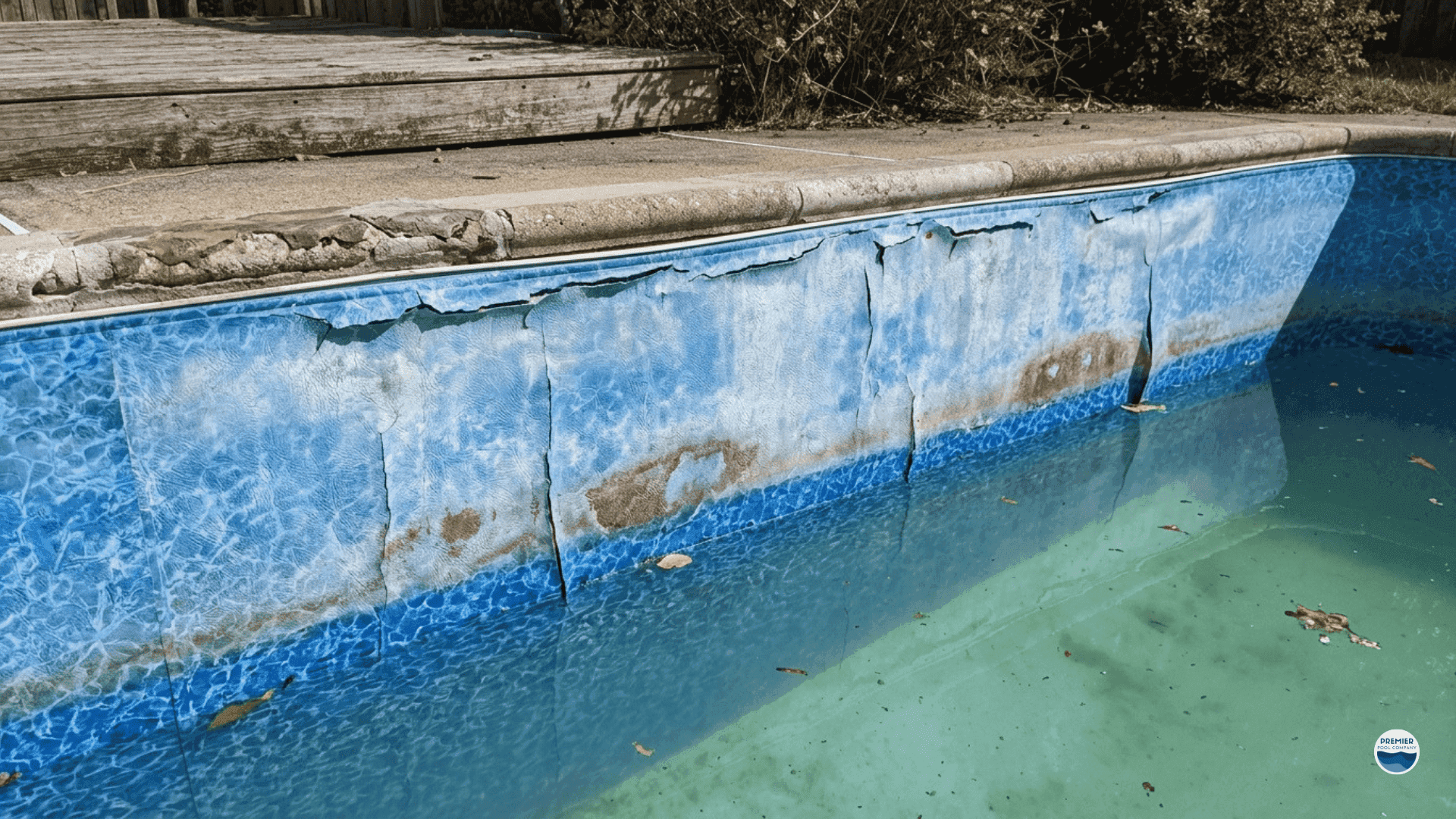
The lifespan of a pool liner depends largely on the type of material used and how well it's maintained. Understanding these timelines helps you plan for future pool liner costs to replace expenses and maximize your long-term investment.
Vinyl Liner Lifespan (5-10 Years)
Vinyl liners typically last between 5 to 10 years. Factors such as exposure to sunlight, pool chemicals, and physical wear and tear can all impact the lifespan of a vinyl liner. Regular pool maintenance, such as keeping the pool clean and maintaining proper chemical levels, can help extend the life of a vinyl liner and improve water quality.
In my experience at Premier Pool, homeowners who follow our pool liner maintenance tips consistently achieve the upper end of this range, maximizing their investment and reducing the frequency of pool liner cost to replace expenses.
Fiberglass Liner Lifespan (15-30 Years)
Fiberglass liners are known for their durability and can last anywhere from 15 to 30 years. The smooth, non-porous surface of fiberglass makes it resistant to algae and chemical damage, contributing to its longevity and excellent water quality. However, it's important to avoid using abrasive cleaners or tools that could scratch the surface, as this can reduce the lifespan of the liner.
Concrete Liner Lifespan (30+ Years)
Concrete liners have the longest lifespan, often exceeding 30 years with proper care. The durability of concrete makes it resistant to physical damage, but regular pool maintenance is crucial to prevent issues like cracking or chipping. Resurfacing the concrete every 10 to 15 years can keep the liner in good condition and extend its life even further, making the initial pool liner cost to replace a true long-term investment.
Lifespan Comparison by Maintenance Level
Liner Type | Average Lifespan | With Excellent Maintenance | Key Maintenance Factor |
Vinyl | 5-10 years | Up to 12 years | Chemical balance, UV protection |
Fiberglass | 15-30 years | 25-30 years | Avoid abrasives, regular cleaning |
Concrete | 30+ years | 40-50 years | Regular resurfacing, pH control |
Long-Term Benefits of Replacing Your Pool Liner
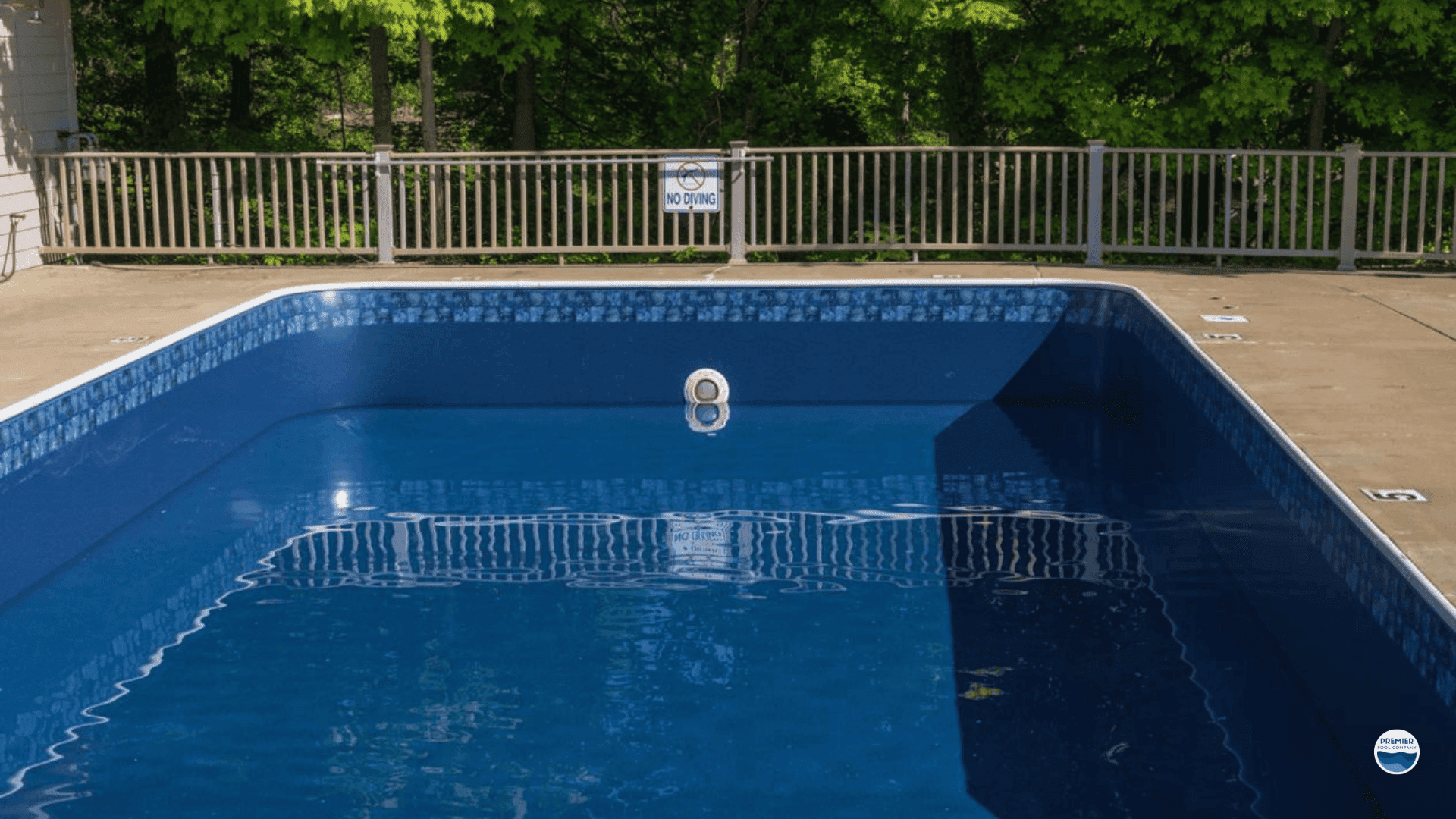
Investing in a new pool liner offers several long-term benefits that can enhance your swimming experience, protect your long-term investment, and provide substantial energy savings.
Enhanced Pool Aesthetics and Property Value
A new liner can significantly improve the pool aesthetics of your pool, giving it a fresh, updated look. This can be particularly beneficial if you're looking to sell your home, as a well-maintained pool can increase property value and attract potential buyers. We've seen homes sell faster and for higher prices when the pool is in excellent condition.
Structural Protection and Safety
A new liner also ensures that your pool remains structurally sound. Over time, old or damaged liners can develop leaks, leading to water loss and potentially costly damage to the pool's foundation. Replacing the liner can prevent these issues and save you money on repairs in the long run. Additionally, a new liner can improve the overall safety of your pool by eliminating hazards like wrinkles or tears that can cause tripping or injury.
Improved Maintenance Efficiency and Water Quality
From a pool maintenance perspective, a new liner can make your pool easier to care for and significantly improve water quality. Modern liners are designed to resist algae growth and chemical damage, reducing the amount of time and money you need to spend on cleaning and chemical treatments. This can lead to a more enjoyable swimming experience and allow you to spend more time enjoying your pool rather than maintaining it.
These maintenance improvements translate directly to energy savings and reduced chemical costs, making the pool liner cost to replace a smart financial decision.
Long-Term Benefit Summary
• Increased property value (well-maintained pools add 5-8% to home value)
• Prevention of structural damage and costly foundation repairs
• Enhanced safety features (no wrinkles, tears, or sharp edges)
• Improved water quality requiring fewer chemicals
• Energy savings from better insulation and efficiency
• Reduced long-term pool maintenance time and costs
• Better warranty coverage with professional installation
DIY vs. Professional Pool Liner Replacement
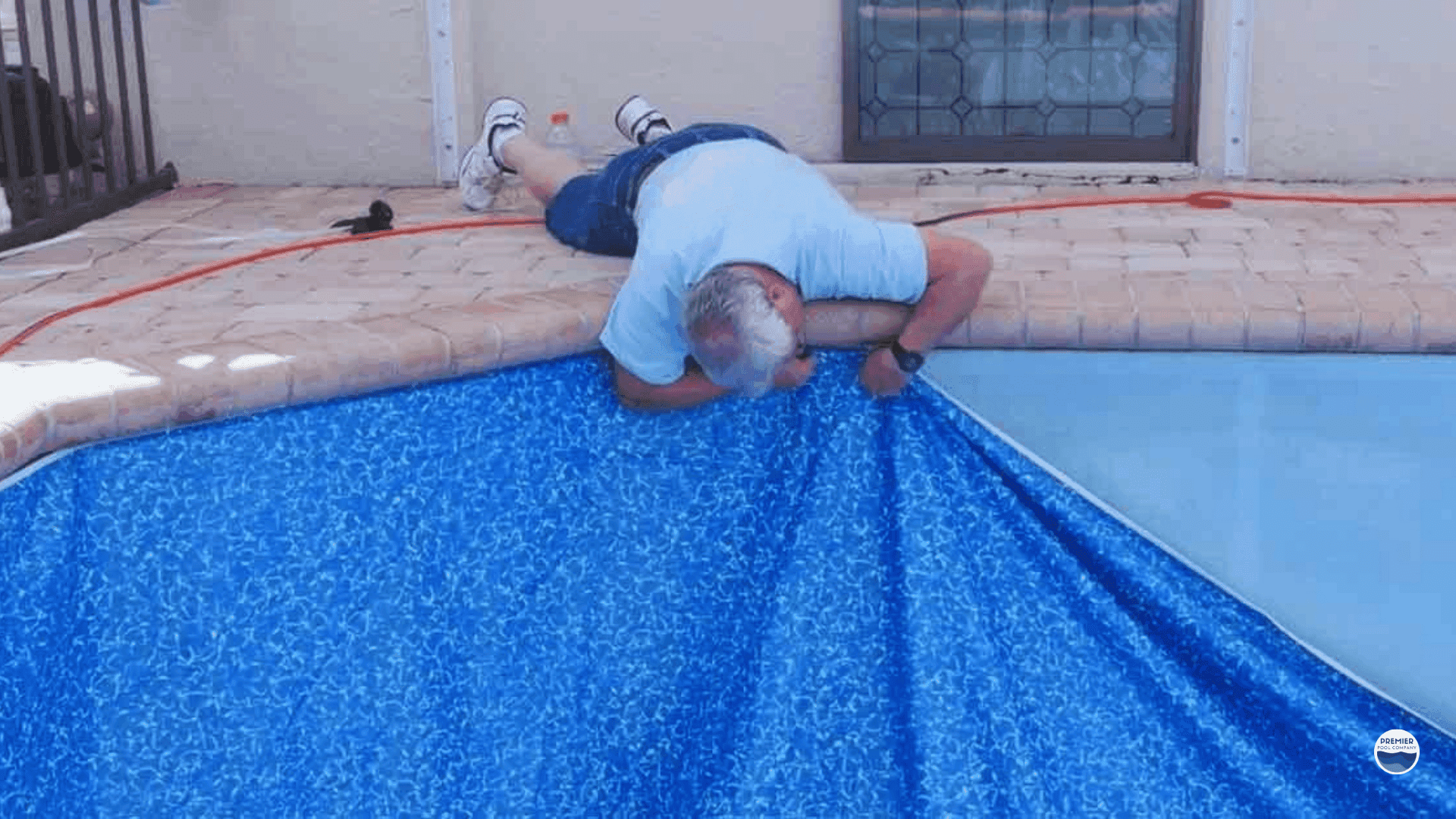
When it comes to replacing a pool liner, homeowners have the option to tackle the project themselves through DIY installation or hire a professional. Each approach has its own set of advantages and disadvantages, and the best choice depends on your level of expertise, budget, and personal preferences.
DIY Pool Liner Replacement: Pros and Cons
DIY pool liner replacement can be a cost-effective option for those who are handy and have experience with similar projects. By doing the work yourself, you can save on labor costs and have more control over the timing and process. However, installing a pool liner requires precision and attention to detail.
Any mistakes during DIY installation can lead to issues like leaks or wrinkles, which can be costly to fix and may actually increase your overall pool liner cost to replace. It's important to thoroughly research the process and ensure you have the necessary tools and skills before attempting a DIY replacement. If you're considering this route, check out our semi-inground pool liner installation guide for detailed instructions.
Professional Pool Liner Replacement: The Premier Pool Advantage
Hiring a professional to replace your pool liner offers several benefits, including peace of mind and a higher likelihood of a successful installation. At Premier Pool, our professionals have the experience and expertise to ensure that the liner is installed correctly and fits perfectly. We can also identify and address any underlying issues with the pool structure that may need attention during pool refurbishment.
While hiring a professional comes with an additional cost, the investment can be worthwhile to ensure the longevity and performance of your new liner. Professional installation typically includes:
• Accurate measurement and custom fitting.
• Proper surface preparation and repair.
• Expert installation techniques preventing wrinkles and leaks.
• Warranty protection on labor and materials.
• Identification of underlying structural issues.
• Guaranteed completion timeline.
Signs It's Time to Replace Your Pool Liner
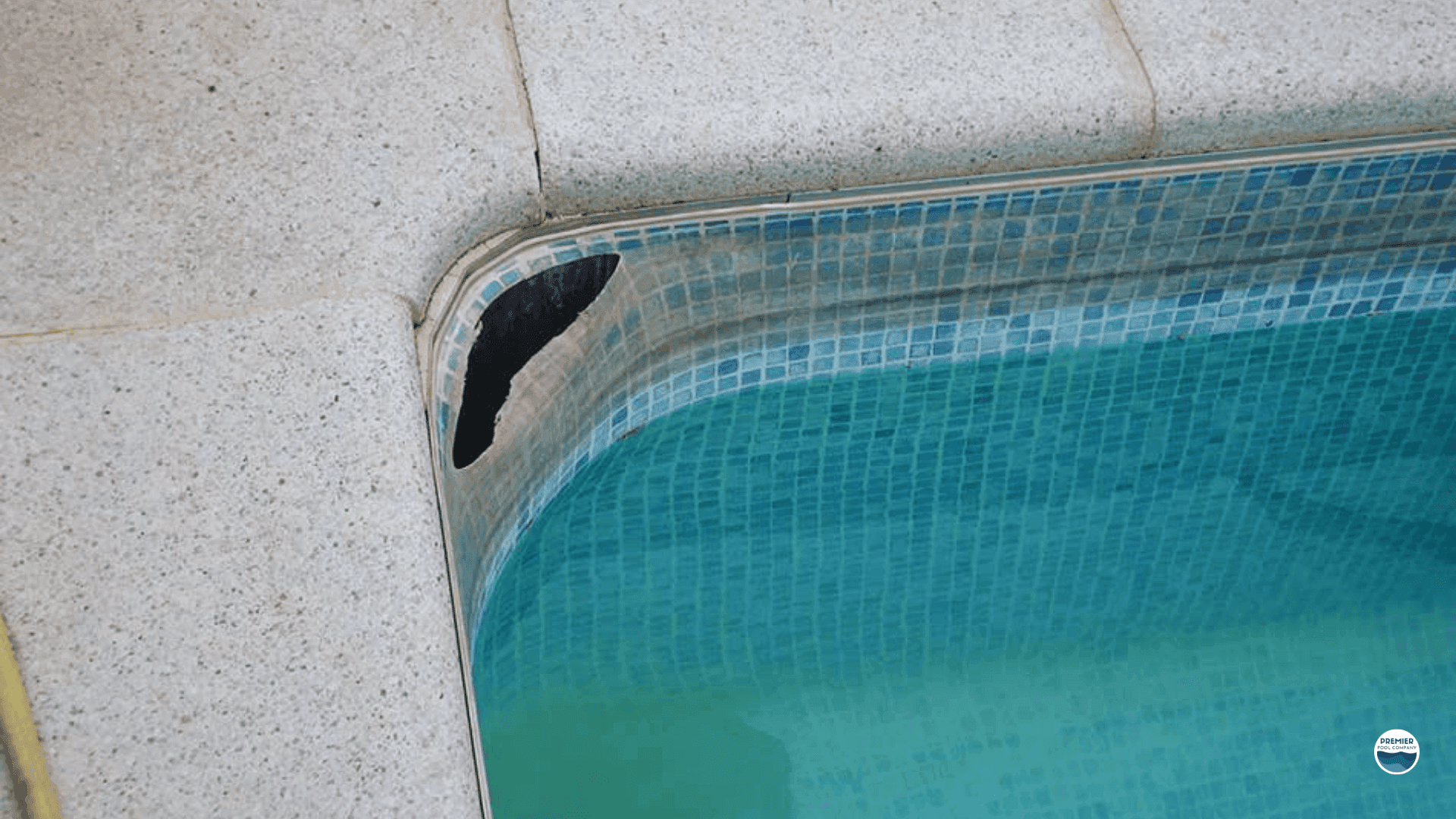
Knowing when to replace your pool liner is crucial to maintaining the health and safety of your pool. There are several signs that indicate it's time for a replacement, and recognizing these early can prevent more serious issues down the line.
Visible Damage and Wear
One of the most obvious signs is visible damage to the liner, such as tears, cracks, or holes. These can lead to leaks and water loss, which can cause further damage to the pool structure if not addressed promptly. Even small tears can quickly become larger problems, increasing your pool liner cost to replace if you wait too long.
Fading and Discoloration
Fading or discoloration of the liner is another indication that it may be time for a replacement. Over time, exposure to sunlight and chemicals can cause the liner to lose its color and become brittle. This not only affects the pool aesthetics of your pool but can also compromise the integrity of the liner. If you notice significant fading or discoloration, it's a good idea to consider replacing the liner before it impacts water quality.
Frequent Patching and Repairs
Additionally, if you find yourself frequently patching up leaks or dealing with other maintenance issues, it may be more cost-effective to replace the liner altogether. Constant repairs can add up over time, and a new liner can provide a fresh start and reduce the need for ongoing pool maintenance. Regularly inspecting your pool and addressing any issues promptly can help you determine the best time to replace the liner.
Warning Signs Checklist
• Visible tears, cracks, or punctures in the liner surface
• Significant fading or color loss (especially in sunny areas)
• Brittleness or loss of flexibility when touched
• Wrinkles or shifting that cannot be smoothed out
• Water loss exceeding normal evaporation rates
• Staining that cannot be removed with cleaning
• Rough texture or surface deterioration
• Age exceeding manufacturer's recommended lifespan
How to Choose the Right Pool Liner for Longevity
Selecting the right pool liner is key to ensuring its longevity and performance, directly impacting your long-term investment and future pool liner cost to replace. One of the first factors to consider is the material of the liner. As I discussed earlier, vinyl, fiberglass, and concrete each have their own set of benefits and drawbacks.
Consider your budget, pool maintenance preferences, and the specific needs of your pool when choosing the material. For detailed guidance, explore our
vinyl pool complete guideto understand all your options.
Liner Thickness Considerations
The thickness of the liner is another important consideration for durability and long-term investment. Thicker liners (27-30 mil for vinyl) tend to be more durable and resistant to punctures and tears. While thicker liners may come with a higher upfront pool liner cost to replace, they can save you money in the long run by reducing the need for frequent replacements.
Look for liners that offer additional protective coatings or treatments to further enhance their durability and resistance to UV damage, chemicals, and algae growth.
Customization and Aesthetic Options
Customization options can also play a role in the longevity of your pool liner and overall pool aesthetics. Some liners come with built-in UV protection or anti-microbial properties, which can help extend their lifespan. Additionally, choosing a liner with a design and color that complements your pool environment can enhance the overall aesthetic appeal and make pool maintenance more enjoyable.
Maintenance Tips to Extend the Life of Your Pool Liner
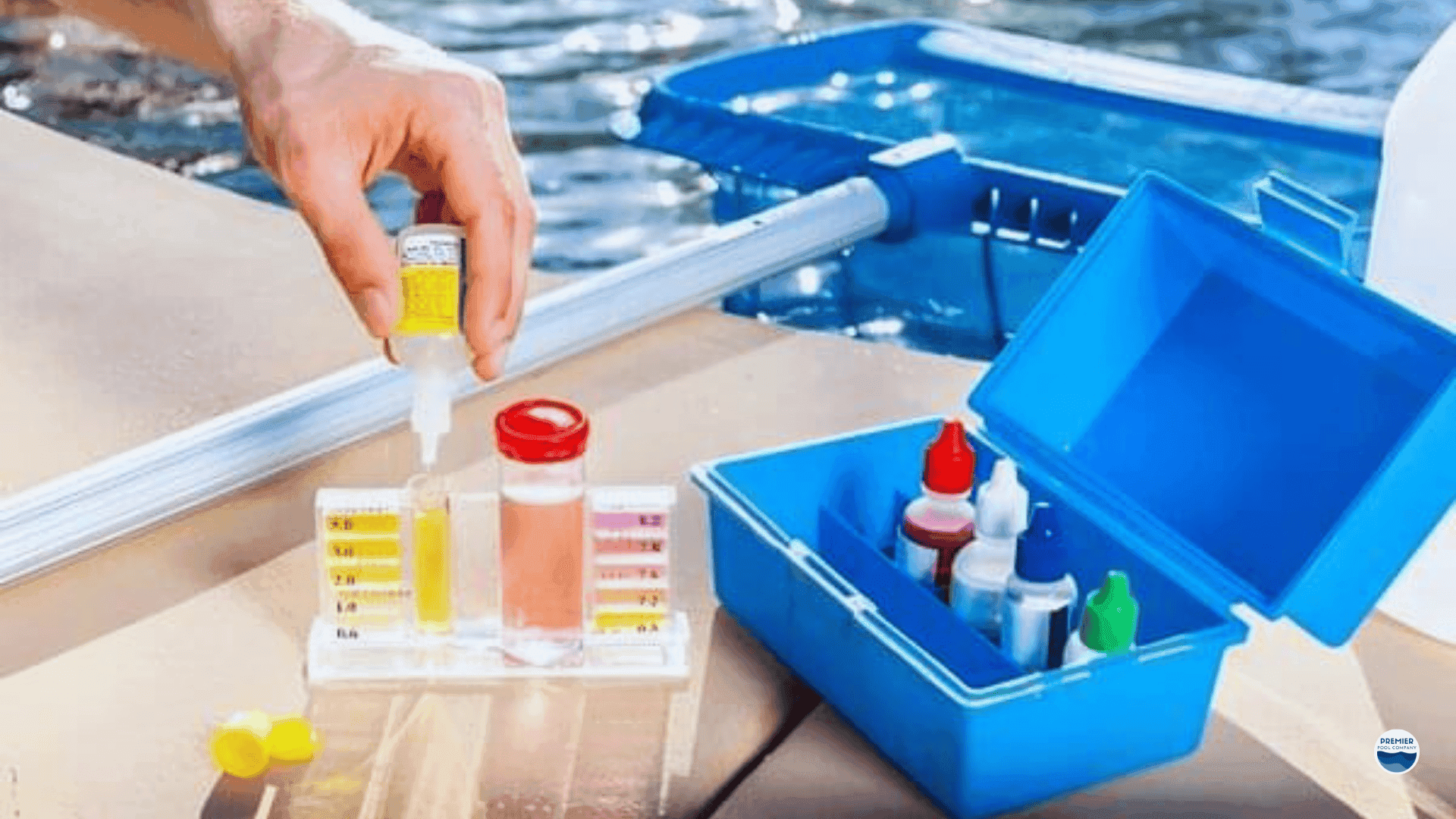
Proper pool maintenance is essential to extending the life of your pool liner and ensuring it remains in good condition. This directly impacts how often you'll face pool liner costs to replace expenses and maximizes your long-term investment.
Regular Cleaning and Debris Removal
One of the most important aspects of pool maintenance is keeping the pool clean. Regularly removing debris, such as leaves and dirt, can prevent them from causing damage to the liner. Using a pool cover when the pool is not in use can also help keep it clean and reduce exposure to sunlight, improving both durability and energy savings.
Chemical Balance Management
Maintaining proper chemical levels in the pool is another key factor in prolonging the life of the liner and ensuring optimal water quality. Imbalanced chemicals can lead to issues like algae growth, staining, and liner degradation. Regularly testing the water and adjusting the chemical levels as needed can prevent these problems and keep the liner looking its best.
I always tell clients: "The most important thing you can do for your liner is maintain proper pH balance between 7.2-7.6." This simple practice can extend your liner's life by years.
Regular Inspections and Preventive Care
It's also important to avoid using harsh chemicals or abrasive cleaners, as these can damage the liner. Inspecting the liner regularly for signs of wear and tear can help you catch and address issues before they become major problems. Look for any tears, cracks, or areas where the liner may be pulling away from the pool walls.
Promptly repairing any damage can prevent it from worsening and extend the overall lifespan of the liner. Additionally, consider scheduling professional inspections and pool maintenance as needed to ensure your pool remains in optimal condition.
Essential Maintenance Practices
• Clean pool weekly to remove debris and prevent staining.
• Maintain pH levels between 7.2-7.6 for optimal water quality.
• Keep chlorine levels at 1-3 ppm to prevent liner degradation.
• Balance total alkalinity at 80-120 ppm for chemical stability.
• Use pool cover during off-season for seasonal upkeep.
• Brush liner gently with soft-bristle brush only.
• Inspect monthly for tears, wrinkles, or fading.
• Maintain proper water level to prevent stress on liner.
• Winterize properly in cold climates.
Is It Worth It? My Final Thoughts
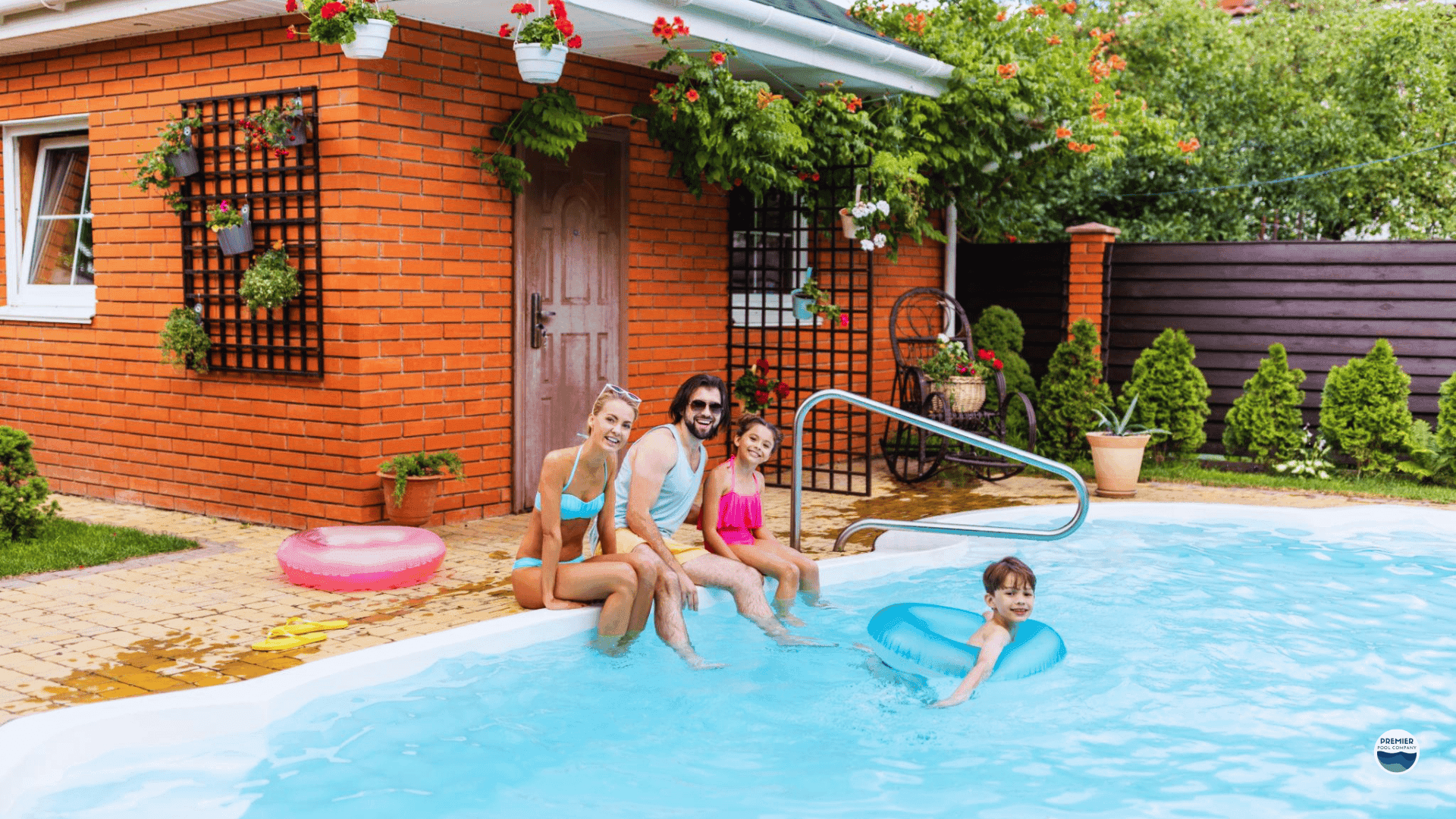
While the upfront pool liner cost to replace may seem daunting, the long-term savings in pool maintenance and repairs, as well as the improved safety, pool aesthetics, and water quality, make it a worthwhile long-term investment. By staying vigilant for signs of damage and addressing issues promptly, you can extend the life of your liner and enjoy your pool for years to come.
At Premier Pool, we've seen firsthand how a quality liner replacement transforms pools and provides homeowners with peace of mind. The decision to replace your pool liner is an investment in the long-term value and enjoyment of your pool, delivering energy savings, improved durability, and enhanced pool aesthetics that benefit you and your family for years.
If you're considering pool refurbishment or wondering about the pool liner cost to replace for your specific situation, we're here to help.
Contact Premier Pool today for a consultation. We serve homeowners throughout Central Ohio and would love to help you make the best decision for your pool investment.
Ultimately, the decision to replace your pool liner should be based on a careful consideration of the pool liner cost to replace, the condition of your current liner, and your long-term goals for your pool. With the right information and proper pool maintenance, you can make a choice that enhances both the value and enjoyment of your pool for many seasons to come.
Summary: Key Topics Covered
What are the main types of pool liners and their costs?
There are three main types: vinyl liners ($1,500-$4,000, lasting 5-10 years), fiberglass liners ($5,000-$15,000, lasting 15-30 years), and concrete liners ($10,000-$20,000+, lasting 30+ years). Each offers different benefits in terms of pool maintenance, durability, and customization options.
What factors affect the pool liner cost to replace?
Pool liner cost to replace is influenced by pool size and shape, liner material and thickness (20-30 mil), labor costs, geographic location, seasonal demand, and additional features like steps or built-in spas. Custom shapes and larger pools naturally cost more due to increased material and installation complexity.
How long do different pool liners last?
Vinyl liners typically last 5-10 years (up to 12 with excellent pool maintenance). Fiberglass liners last 15-30 years with proper care. Concrete liners exceed 30 years and can reach 40-50 years with regular resurfacing. Lifespan depends heavily on water quality, chemical balance, and seasonal upkeep practices.
What are the benefits of replacing my pool liner?
Replacing your pool liner improves pool aesthetics, prevents structural damage, enhances safety by eliminating wrinkles and tears, improves water quality, provides energy savings, and increases property value by 5-8%. It's a long-term investment that protects your pool infrastructure and enhances enjoyment.
Should I DIY or hire a professional for liner replacement?
While DIY installation is possible, professional installation is recommended for most homeowners. At Premier Pool, we've seen DIY attempts cost 50-70% more to fix than initial professional installation. Professionals ensure proper fitting, prevent leaks and wrinkles, and offer warranty protection on labor and materials.
What maintenance extends pool liner lifespan?
Key pool maintenance practices include: maintaining pH levels between 7.2-7.6, keeping chlorine at 1-3 ppm, cleaning weekly, using pool covers during off-season for seasonal upkeep, avoiding abrasive cleaners, monitoring for damage monthly, and proper winterization in cold climates. Following our pool liner maintenance tips can extend lifespan by 40%.
When should I replace my pool liner?
Replace your pool liner when you notice multiple tears requiring frequent patching, significant fading affecting over 30% of the surface, brittleness or loss of flexibility, persistent leaks despite repairs, wrinkles that won't smooth out, or when the liner exceeds its expected lifespan. Early replacement prevents costly structural damage and maintains water quality.
Frequently Asked Questions (FAQ)
How long does it take to replace a pool liner?
The timeline for pool liner replacement typically takes 1-3 days for vinyl liners, depending on the size and complexity of your pool. We usually complete vinyl liner installations within 2 days. Fiberglass liner installation is quicker, often completed in 1-2 days since it's a single-piece installation. Concrete liner resurfacing is more extensive and can take 1-2 weeks to complete, including curing time.
Can I replace my pool liner myself, or should I hire a professional?
While DIY pool liner replacement is possible for those with experience, I strongly recommend professional installation for most homeowners. Here's why: improper installation can lead to wrinkles, leaks, and premature failure, which often costs more to fix than the initial savings. At Premier Pool, we've repaired countless DIY attempts that ended up costing homeowners 50-70% more than if they'd hired us initially. If you do choose DIY, check out our step-by-step guide for semi-inground pool liner installation.
How do I know if my pool liner needs replacement or just repair?
You should replace your pool liner if you notice: multiple tears or holes requiring frequent patching, significant fading or discoloration affecting more than 30% of the liner, brittleness or cracking when touched, persistent leaks despite repairs, or if your liner is older than its expected lifespan (8-10 years for vinyl). Minor isolated tears can be patched, but if you're patching more than twice per season, replacement is more cost-effective.
Will a new pool liner increase my home's value?
Yes, a new pool liner can increase your home's value. Based on my experience with Premier Pool clients who've sold their homes, a well-maintained pool with a new liner can add 5-8% to your property value. More importantly, it makes your pool a selling asset rather than a liability. Buyers are more likely to make offers on homes with pools that don't require immediate maintenance.
How much does pool liner replacement actually cost in Central Ohio?
For Central Ohio homeowners, expect to pay $2,000-$3,500 for standard vinyl liner replacement, $6,000-$12,000 for fiberglass, and $12,000-$18,000 for concrete resurfacing. These are 2026 prices based on what we charge at Premier Pool. Factors affecting cost include pool size, shape complexity, liner thickness (20 mil vs. 30 mil), and any necessary wall repairs.
More Blogs

Aaron Lehner
Pool Water Testing in Ohio: A Beginner's Guide to Getting It Right
Pool water testing in Ohio was simple. Learn how to test chlorine, pH, alkalinity, and calcium hardness to keep your pool clear, balanced, and swim-ready.

Aaron Lehner
Paver Patio vs Concrete Pool Decks (Based on Ohio Climate)
Compare paver patio vs concrete pool decks in Ohio. Learn how pavers vs concrete patio options handle freeze-thaw cycles, drainage, heat, and maintenance.

Aaron Lehner
7 Best Pool Features To Add To Your Backyard In 2026
Discover the best pool features, custom pool features and swimming pool features for 2026, plus practical pool feature ideas that keep your Ohio backyard stunning and durable.