

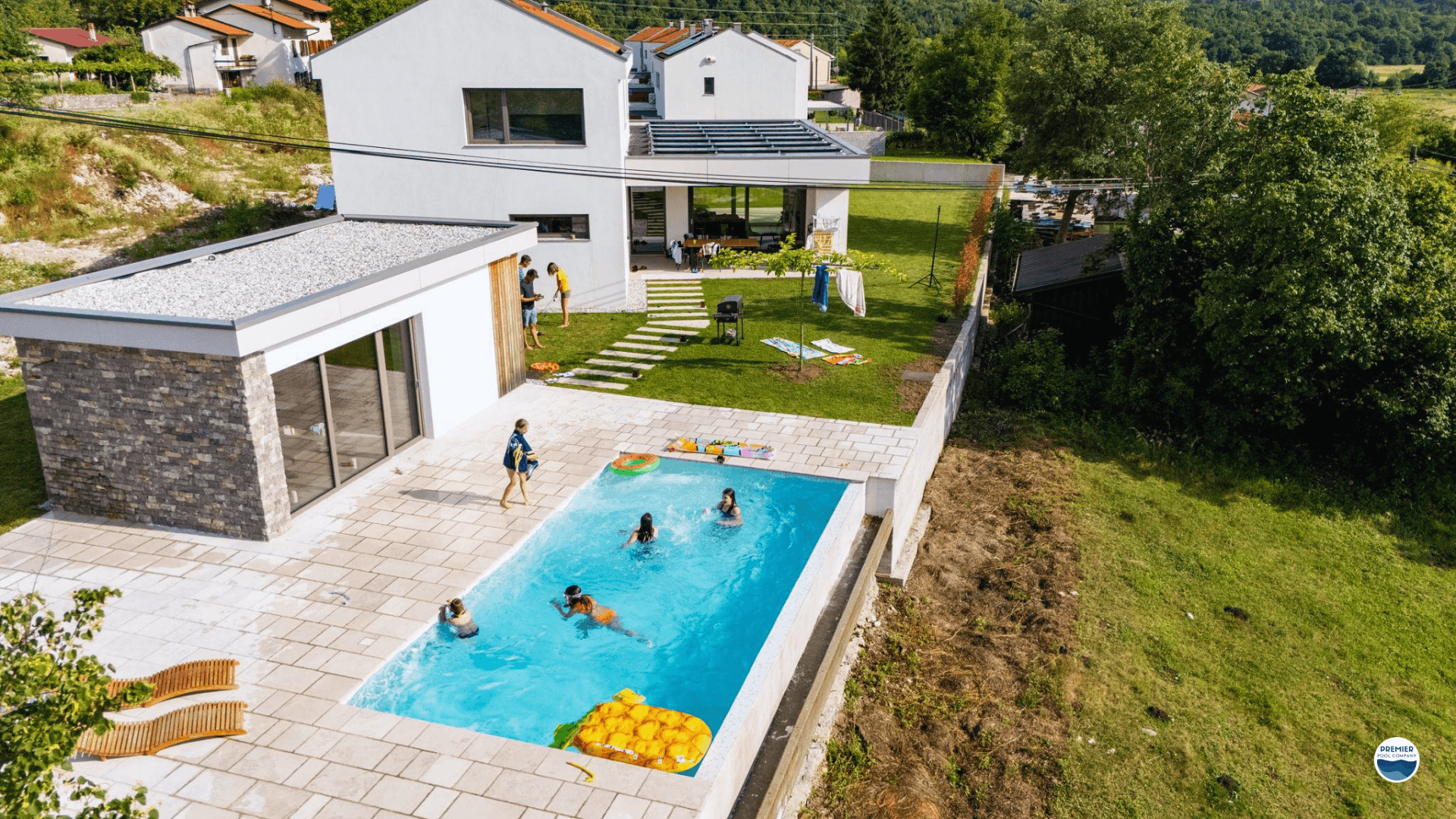
When it comes to investing in a fiberglass pool, the excitement can quickly be dampened by the reality of costs. As co-founder of Premier Pool Co. and someone who has spent years building pools across Central Ohio, I have seen firsthand how vital it is to set a clear budget from the very start. Understanding what factors drive swimming pool fiberglass costs, including everything from the shell's shape and size to site preparation and landscaping, will help you avoid financial surprises down the line. It is not just about the initial fiberglass pool installation cost; digging into long-term ownership expenses is crucial for any homeowner looking to make a splash without drowning in debt.
Think of your budget as a living roadmap. In my experience guiding Ohio homeowners through the fiberglass pool cost breakdown, most buyers only look at the sticker price for the shell. But hidden pool costs, including permit fees for pools, delivery and crane fees, electrical and plumbing costs, and decking, can easily add $10,000–$20,000 on top of the base price. By planning strategically and knowing where to save and where to invest wisely, you will create a backyard retreat that enhances both your home’s value and your lifestyle.
In this guide, I will share seven practical, real-world ways to reduce your fiberglass pool costs without cutting corners. Let us dive in!
TL;DR: Quick Takeaways
Here is what you need to know before committing to a fiberglass pool project:
Total swimming pool fiberglass cost in Ohio typically ranges from $55,000–$90,000 fully installed (shell + excavation + plumbing + decking + permits).
Fiberglass vs concrete cost: fiberglass wins on upfront price ($25,100–$49,000 vs. $35,000–$65,000) and long-term pool maintenance cost.
Hidden pool costs like permit fees for pools ($500–$2,000), delivery and crane fees ($1,400–$5,500), and site preparation cost ($1,500–$8,000) can add $10K–$20K to your budget.
Standard shell sizes (e.g., 15x30 ft) cost significantly less than custom shapes; choosing wisely saves $10,000–$20,000 on fiberglass pool installation cost.
Pool financing options including HELOCs, personal loans, and pool-specific lenders let you build now with manageable pool loan rates (typically 7%–12% APR in 2025).
Phasing non-essentials (spa, waterfall, saltwater system cost, heater and pump costs, premium decking) can save $5,000–$15,000 upfront.
Getting 3+ itemized quotes from licensed contractors is the single most effective way to avoid overpaying on electrical and plumbing costs and other line items.
Define Your Scope and Must-Haves
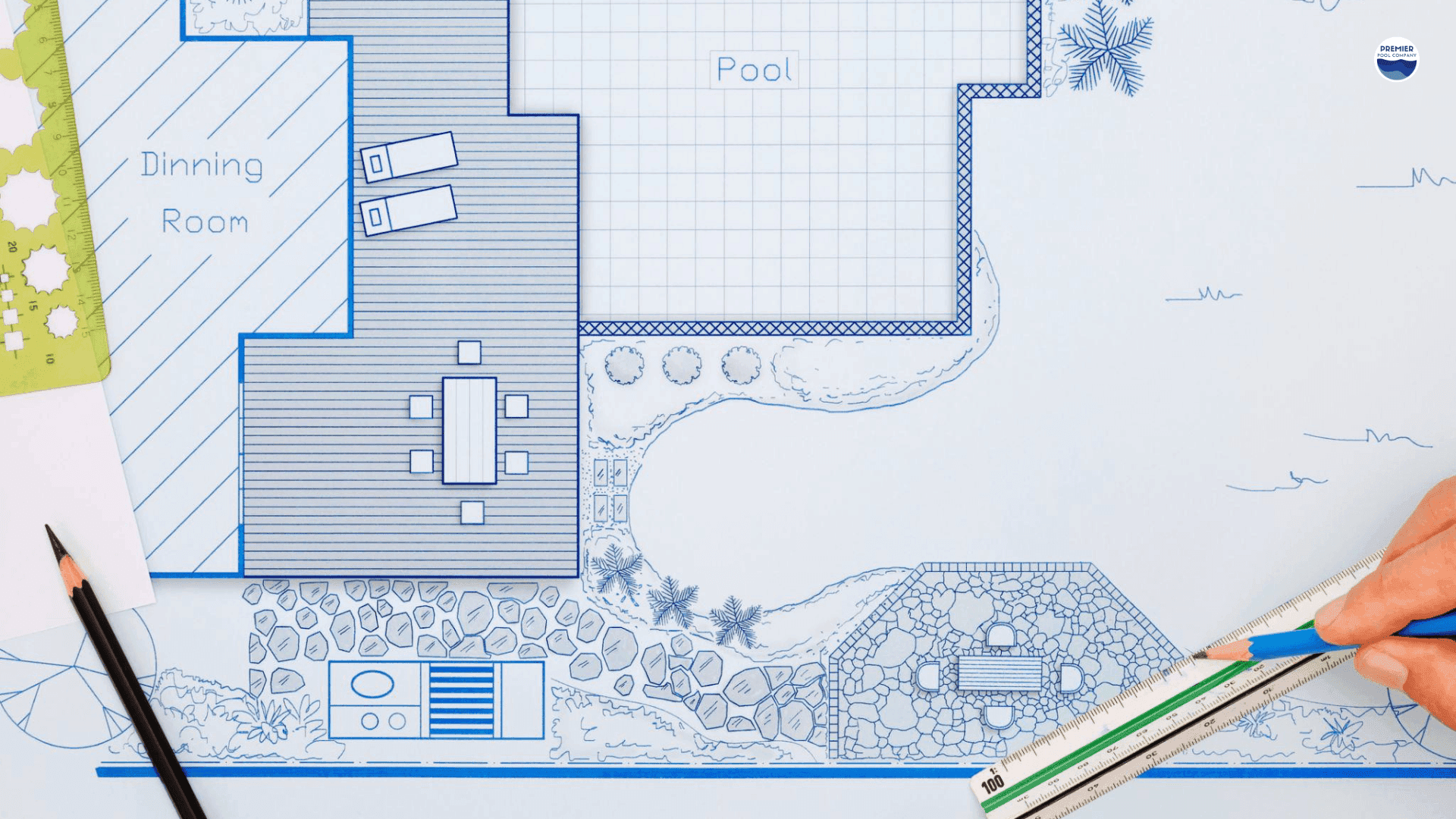
Before you call a single pool contractor, my first piece of advice is simple: Define your scope. Every dollar committed to a feature you do not truly need is a dollar you cannot redirect. I have helped hundreds of Central Ohio homeowners narrow down their wish lists before getting into fiberglass pool cost breakdown conversations. A well-planned 12x24 or 14x28 fiberglass pool can deliver as much daily value as a sprawling custom design, often at $10,000–$20,000 less in upfront fiberglass pool installation cost. The key is asking: what is this pool’s primary purpose?
Must-Have Features | Nice-to-Have (Phase Later) | Est. Savings if Deferred |
Standard pool shell (14x28 or 16x32) | Tanning ledge / baja shelf | $2,000–$5,000 |
Basic filtration & pump system | Saltwater system | $1,500–$3,500 |
Essential decking (concrete/pavers) | Pool heater & heat pump | $3,000–$7,000 |
Proper plumbing, electrical & permits | Waterfalls / built-in spa | $4,000–$12,000 |
Safety fence & gate | Automatic pool cover | $4,000–$8,000 |
The table above is your best planning tool. Use it as a reference when talking to contractors and make sure your quote reflects ONLY the must-haves. This kind of disciplined scoping protects you from “scope creep”, the gradual addition of nice-to-haves that can push a $50,000 project to $75,000 before you realize it. Check out our fiberglass pool benefits guide to understand exactly what features deliver the most long-term value.
You will also want to explore pool financing options before your first contractor meeting. Pool loan rates in 2025 range from 7%–12% APR, and knowing this upfront shapes your total budget, not just your construction budget. At Premier Pool Co., I walk every client through a realistic total cost picture before we dig a single shovel. Want to see what a well-planned fiberglass pool costs in Central Ohio? Request a free consultation and let us build a number that actually fits your life.
Choose the Right Shell and Size for Value
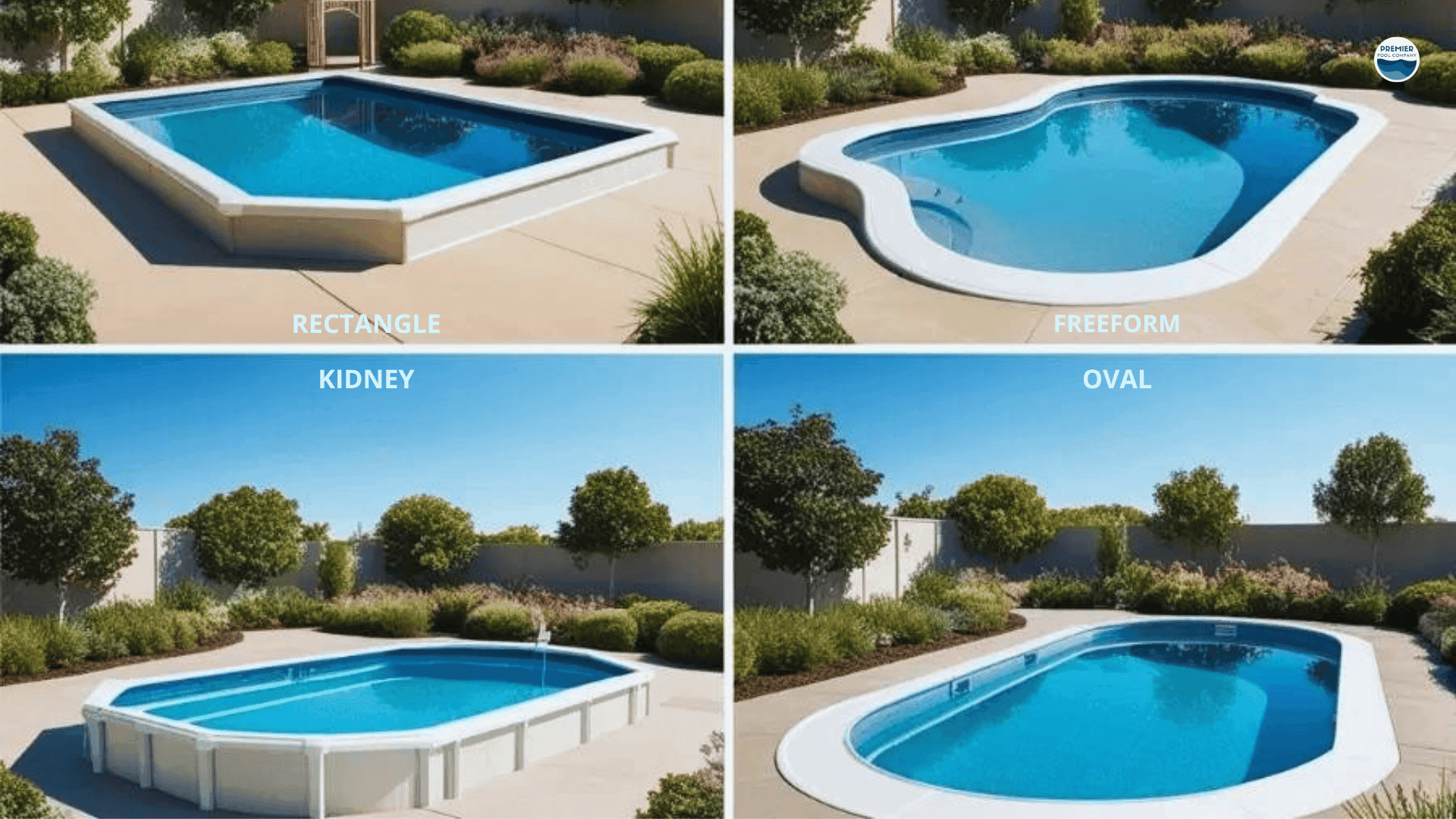
When it comes to controlling swimming pool fiberglass costs, the pool shell size and shape are your biggest levers. Standard fiberglass shells are mass-produced and available quickly, while custom sizes require special engineering, longer lead times, and higher manufacturing costs. In my experience at Premier Pool Co., most Ohio homeowners get everything they need from a standard model.
Here is a real-world cost comparison that I share with my clients:
Pool Size | Avg. Installed Cost | Best For | Notes | 10x20 ft |
$26,000–$35,000 | Small yards, couples | Most affordable option | 14x28 ft | $40,000–$55,000 |
Average family | Best value for most Ohio homeowners | 16x32 ft | $50,000–$65,000 | Entertaining & lap swimming |
Moderate size increase, significant cost jump | Custom shape | $70,000+ | Unique designs only | Adds $15,000–$25,000 vs. standard |
Finishes and gelcoat colors are another lever to pull. Specialty finishes (pearlescent, metallic, or exotic patterns) look beautiful but can add $2,000–$5,000 without any functional benefit. A standard white or blue gelcoat finish holds up just as well over time and will not cost you extra. Remember, the smooth gelcoat surface is one of the key fiberglass pool benefits, as it naturally resists algae growth and requires fewer chemicals regardless of color. If you want to explore the full benefits of our fiberglass pools, check out our detailed guide here.
Do not forget that electrical and plumbing costs are directly tied to your pool’s complexity. A larger pool with a built-in spa, multiple jets, and automated lighting requires significantly more pipe runs and electrical circuits than a basic design. I have seen those costs jump from $4,000 to $12,000+ just based on add-on features. Keeping the design clean is not just about aesthetics; it is about keeping those permit fees for pools and installation labor within a predictable range.
The bottom line: choose a standard shell size that serves your actual lifestyle, skip the specialty finishes, and keep your design clean. These three decisions alone can shave $15,000–$25,000 off your total fiberglass pool installation cost, without sacrificing a single day of enjoyment. Want to see how our fiberglass pool lineup looks? Browse our gallery for inspiration.
Optimize Site Prep and Access
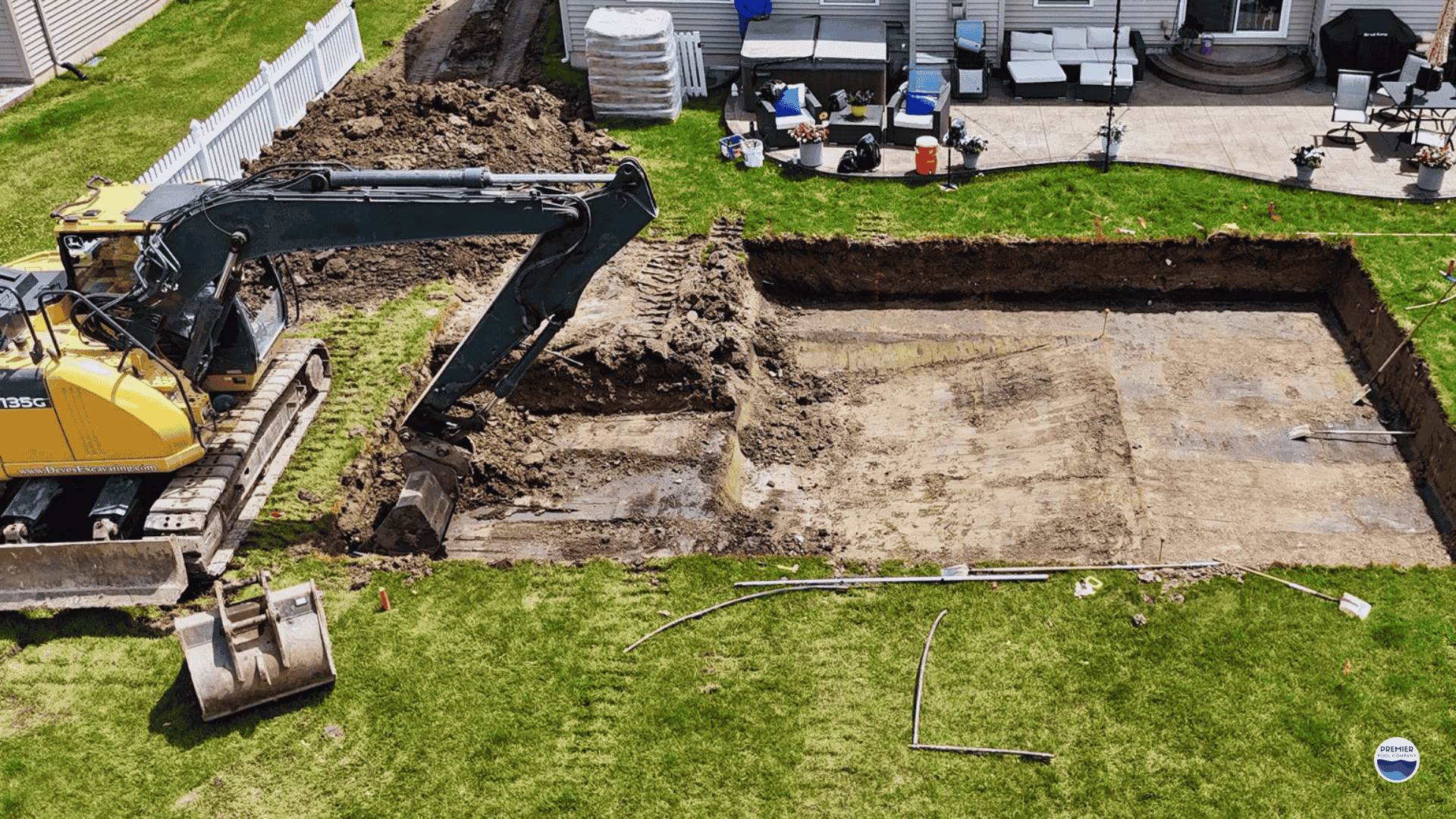
Site preparation is the #1 source of unexpected cost overruns I see on fiberglass pool projects.
Before the first shovel hits the ground, your contractor needs to evaluate two critical factors: property access and soil conditions. Delivery and crane fees alone can range from $1,400 to $5,500. If the crane or delivery truck cannot safely access your yard, that number climbs even higher. We do a full site walk before any proposal is sent so we can identify access limitations early and give you an accurate site preparation cost.
Soil conditions are the hidden variable in every site preparation cost. Here is what we watch for in Central Ohio:
Clay or rocky soil: Excavation adds $2,000–$5,000 vs. standard sandy loam conditions.
High groundwater table: Requires special anchoring or hydrostatic relief valves, adding $1,000–$3,000.
Poor drainage / flood-prone yards: Grading and drainage systems add $1,500–$4,000.
Tight or restricted access (narrow gates, trees): Crane upgrades and special delivery can add $2,000–$8,000.
Proper site grading is equally important. Water that drains toward your pool, rather than away from it, creates long-term structural risks and can trigger expensive repairs. A graded yard with proper drainage channels typically adds $500–$2,500 upfront but easily prevents $5,000–$15,000 in future remediation. If you are planning a saltwater system, the drainage design also needs to account for backwash discharge, which affects both placement and local permit requirements.
The bottom line on site prep: Get a professional site evaluation before you finalize your budget. At Premier Pool Co., this is part of every proposal we put together. It is how we avoid the most common and most costly surprises in fiberglass pool installation.
Control Hidden and Ongoing Costs
One of the most common traps I see Ohio homeowners fall into is underestimating the hidden pool costs beyond the shell and installation. These are not surprises; they are predictable line items that experienced builders know to include upfront.
Here is a breakdown of the most frequently overlooked costs:
Hidden Cost Item | Typical Cost Range | Notes |
Permit fees for pools | $500–$2,000 | Required by law; varies by Ohio county/city |
Safety fence & gate | $1,500–$5,000 | Required by Ohio code for in-ground pools |
Electrical bonding & GFCI | $1,500–$3,500 | Safety requirement; often underquoted |
Decking and landscaping costs | $4,000–$15,000 | Concrete, pavers, or stone; size-dependent |
Pool maintenance cost (annual) | $800–$1,500/yr | Chemicals, electricity, water, minor repairs |
On the ongoing cost side, energy efficiency is one of the best investments you can make when building your pool. An energy-efficient variable-speed pump can cut electricity use by up to 80% compared to single-speed pumps, saving $500–$1,500 per year in operating costs. LED pool lighting uses up to 85% less energy than traditional incandescent bulbs and lasts 25+ years. When comparing fiberglass vs concrete cost over a 10-year horizon, fiberglass also wins because it uses 30% fewer chemicals on average, thanks to its non-porous gelcoat surface.
The bottom line on hidden costs: Anticipate them before you sign anything. Every proposal we provide includes a full breakdown of permit fees, electrical requirements, fencing, and decking options, so you are never caught off guard. If you would like to explore what a complete fiberglass pool installation looks from start to finish, visit our fiberglass pools page.
Phase Non-Essentials and Use Safe DIY
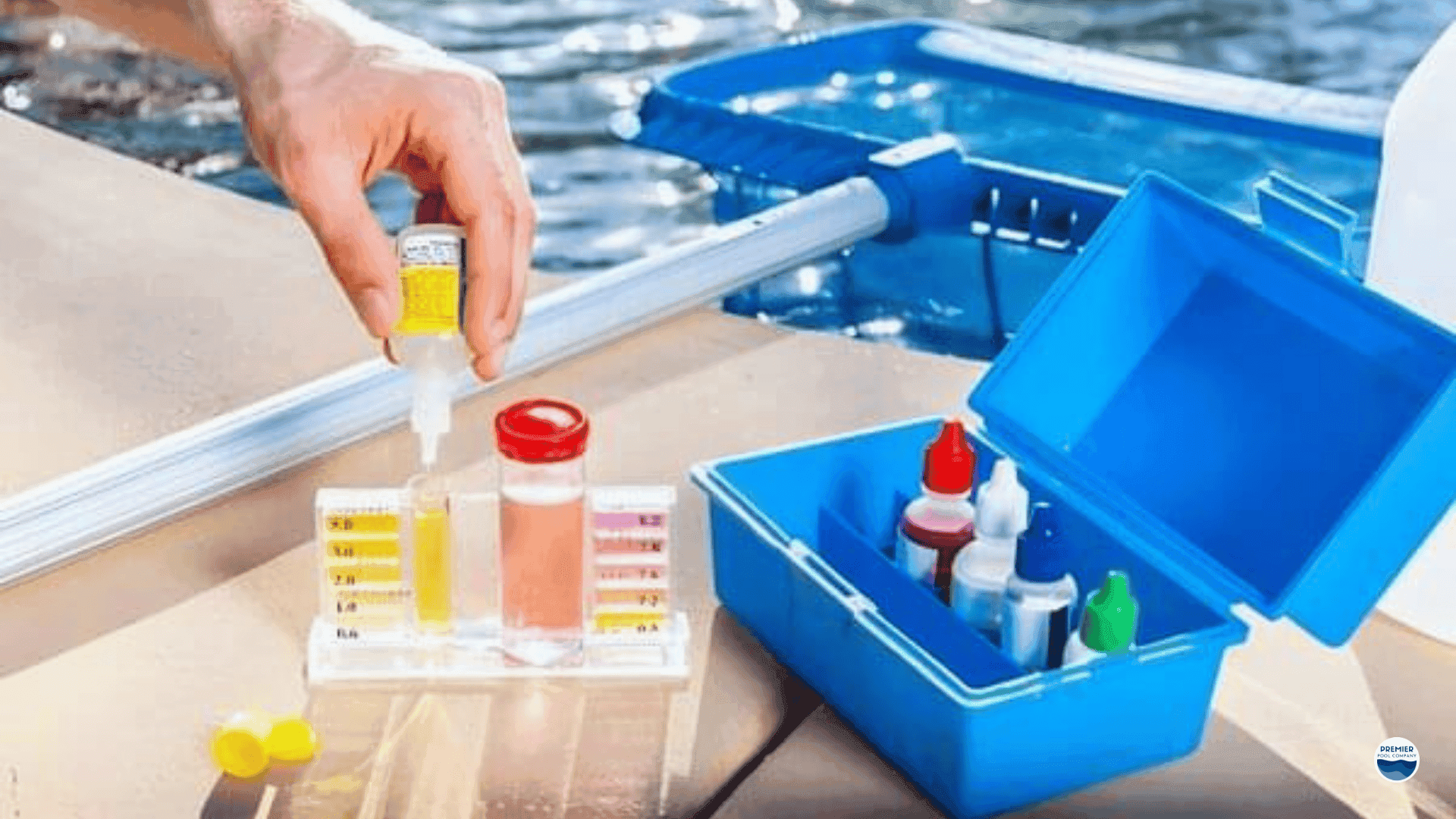
One of the most effective ways I recommend to keep fiberglass pool costs manageable is phasing your project. Start with the essentials: the pool shell, installation, fencing, and basic decking. Then layer in the extras, a pergola, an outdoor kitchen, custom landscaping, or a spa attachment, as your budget allows in the months or years ahead.
Here is a practical breakdown of what to phase vs. what to prioritize from day one:
Phase Later (6–12 Months) | Prioritize from Day One | Phase Later (Year 2+) |
Pergola or shade structure | Safety fence (required by Ohio code) | Outdoor kitchen or fire pit |
Basic concrete decking | Premium pavers or stone decking | Electrical bonding & GFCI |
Waterfalls, grottos, or water features | Variable-speed pump & LED lighting | Automation systems & smart controls |
On the DIY side, some tasks are genuinely homeowner-friendly and can save you real money. Clearing brush, doing basic landscaping prep, or painting the fence yourself are all reasonable projects. But know where to draw the line: pool plumbing, electrical bonding, GFCI installation, and gas line work must be handled by licensed professionals. Cutting corners on those items does not just void warranties; it creates serious liability and safety risks. I always tell our customers: DIY the cosmetic work, not the critical infrastructure.
Phasing and smart DIY together can realistically save $5,000–$15,000 on your total fiberglass pool cost breakdown. The pool will be just as enjoyable on day one, and you will have more breathing room to add premium features when the time is right.
Compare Pool Financing Options the Smart Way

Financing a fiberglass pool is one of the most important, and most overlooked, decisions in the entire process. I have seen homeowners get locked into loan terms that cost them $10,000–$20,000 more than necessary simply because they did not compare pool financing options before signing. Here is a side-by-side breakdown of the most common financing types available to Ohio homeowners in 2025.
Financing Type | Typical APR (2025) | Collateral Required | Best For | Key Watch-Out | Recommended? |
HELOC | 6.5%–10% | Yes (home equity) | Homeowners with equity | Variable rates; risk to home if defaulted | Yes, if equity exists |
Unsecured Personal Loan | 9%–19% | No | Buyers without home equity | Higher rates; shorter terms | Situational |
Home Improvement Loan | 7%–15% | Sometimes | Mid-range buyers | Review origination fees | Yes |
Dealer Financing | 8%–25%+ | No | Convenience buyers | Hidden fees; high total cost | Caution; compare carefully |
My recommendation: Always run payoff calculations before committing to any pool loan. On a $55,000 fiberglass pool financed at 10% over 15 years vs. 10 years, you will pay roughly $29,000 more in interest with the longer term. Shorter terms hurt more monthly but save significantly overall. Ask your lender for a full amortization schedule before signing anything.
Wrapping It Up: Your Path to a Cost-Effective Fiberglass Pool
After working with hundreds of Ohio families on fiberglass pool installations, I have learned that the difference between a pool that breaks the budget and one that delivers long-term value comes down to preparation. These 7 strategies, from defining your scope early, to choosing the right shell, optimizing site prep, controlling hidden costs, phasing non-essentials, and comparing financing. These are not just money-saving tips. They are the exact process we use at Premier Pool Co. on every project.
Here is a quick summary checklist to take with you:
• Get a detailed, itemized quote; never accept a single lump-sum number
• Choose a fiberglass pool shell size that fits your yard and your lifestyle, not just the largest available
• Require a professional site evaluation before finalizing your budget
• Ask for all permit, electrical, fencing, and decking costs upfront
• Phase non-essential upgrades; add them once you are swimming
• Compare at least two to three pool financing options with full amortization details
• Invest in energy-efficient equipment from day one; it pays back within 2–3 years
When you follow this framework, a fiberglass pool cost that might seem overwhelming becomes completely manageable. The best backyard pools are not built by cutting corners; they are built by making smart decisions at each stage of the process.
If you are ready to explore your options, I would love to walk you through what a pool project looks like in your specific backyard.
Reach out to our team, We are happy to answer questions without any pressure.
Frequently Asked Questions About Fiberglass Pool Costs
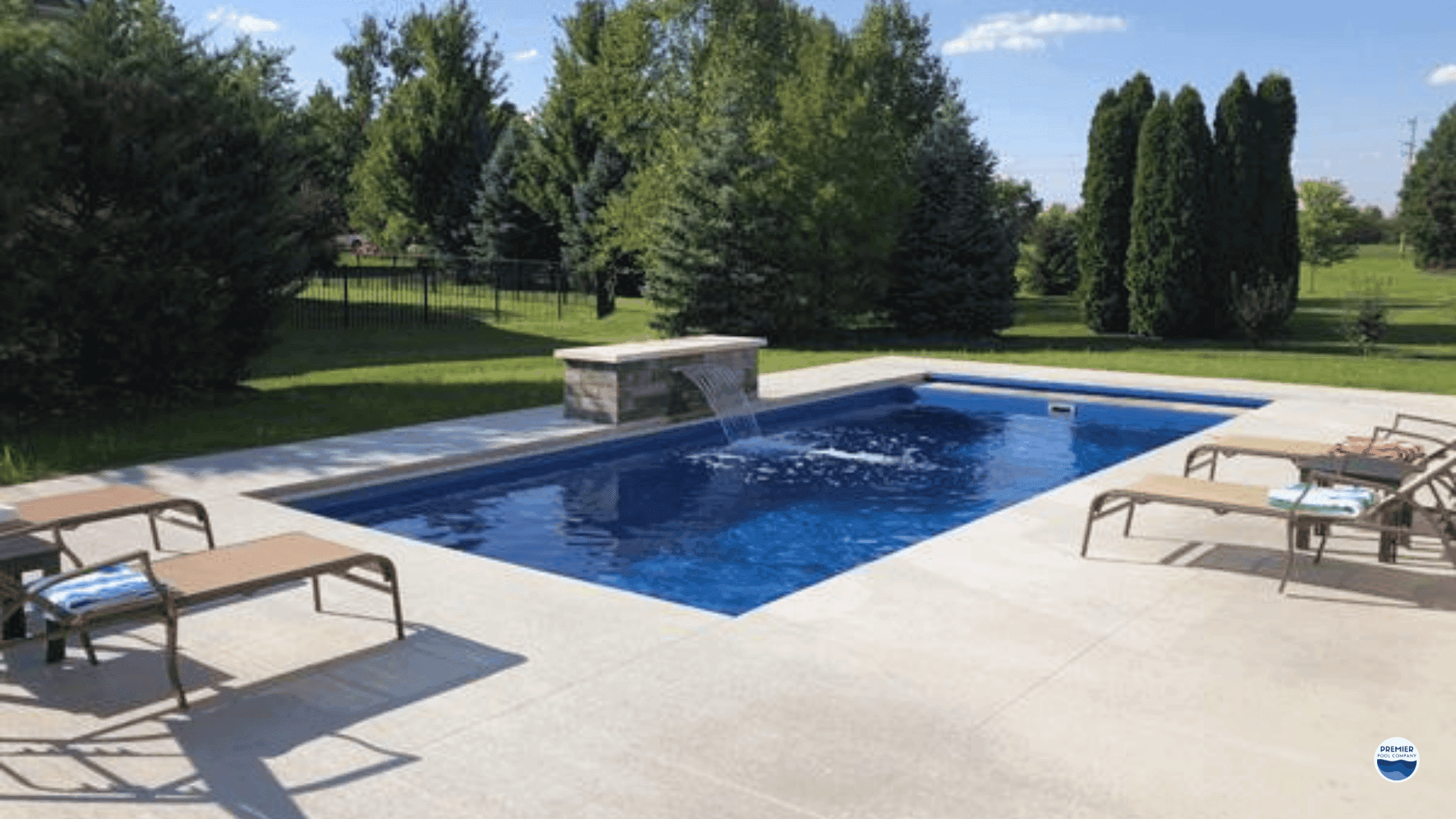
Q: How much does a fiberglass pool cost in Ohio in 2026?
A: In Ohio, a fully installed fiberglass pool typically costs between $55,000 and $90,000, depending on the size, site conditions, and included features. This includes the pool shell, excavation, plumbing, electrical, basic decking, and required permits. Northeast Ohio homeowners near Lorain, Cuyahoga, or Medina counties may see costs closer to the higher end due to soil conditions. At Premier Pool Co., we provide full itemized proposals so you know exactly what you are paying for.
Q: Is fiberglass cheaper than concrete for an inground pool?
A: Yes. A fiberglass pool typically costs $25,100 to $49,000 for the shell and installation, compared to $35,000 to $65,000 for a concrete pool. Beyond the upfront cost, fiberglass is also cheaper to maintain over time. Fiberglass surfaces are non-porous, which means they resist algae growth and use roughly 30% fewer chemicals annually than concrete pools. Over a 10-year period, fiberglass consistently comes out as the more affordable option.
Q: What are the hidden costs of installing a fiberglass pool?
A: The most commonly overlooked costs include permit fees ($500–$2,000), safety fencing required by Ohio law ($1,500–$5,000), electrical bonding and GFCI installation ($1,500–$3,500), decking and landscaping ($4,000–$15,000), delivery and crane fees ($1,400–$5,500), and site preparation ($1,500–$8,000 depending on soil conditions). These hidden pool costs can add $10,000–$20,000 on top of the base shell price if you are not prepared for them.
Q: How long does it take to install a fiberglass pool in Ohio?
A: A fiberglass pool installation in Ohio typically takes 3 to 6 weeks from excavation to final inspection, weather permitting. This is significantly faster than concrete pools, which take 3 to 6 months to complete. The main factors that affect timeline include permit approval, soil conditions, site access, and contractor scheduling.
Q: What financing options are available for a fiberglass pool?
A: Ohio homeowners have several pool financing options. A Home Equity Line of Credit (HELOC) typically offers the lowest APR (6.5%–10%) if you have sufficient home equity. Unsecured personal loans range from 9%–19% APR and do not require collateral. Home improvement loans are another solid middle-ground option. Dealer financing may seem convenient but often carries higher APRs and fees. Always request a full amortization schedule before signing any pool loan.
Q: Does a fiberglass pool increase home value in Ohio?
A: In most cases, yes. A well-maintained fiberglass pool can add 5%–10% to your home’s value, depending on your neighborhood and local real estate market. In Ohio suburbs where outdoor living is valued, pools tend to be viewed positively by buyers. That said, it is important to choose a pool size and style that fits the surrounding homes in your area to avoid over-improving beyond neighborhood comps.
Q: How much does it cost to maintain a fiberglass pool per year?
A: Annual pool maintenance cost for a fiberglass pool in Ohio ranges from $800 to $1,500 per year. This covers chemicals, electricity for the pump, water top-up, and minor repairs. This is lower than concrete pools, which typically cost $1,200 to $2,500 per year due to more frequent cleaning, chemical needs, and resurfacing every 10–15 years.
More Blogs

Aaron Lehner
Do Fiberglass Pools Crack In Cold Weather As Per Ohio's Climate Changes?
Do fiberglass pools crack in cold weather? Learn what causes a fiberglass pool crack, how Ohio winters affect it, and how to prevent structural damage.
Aaron Lehner
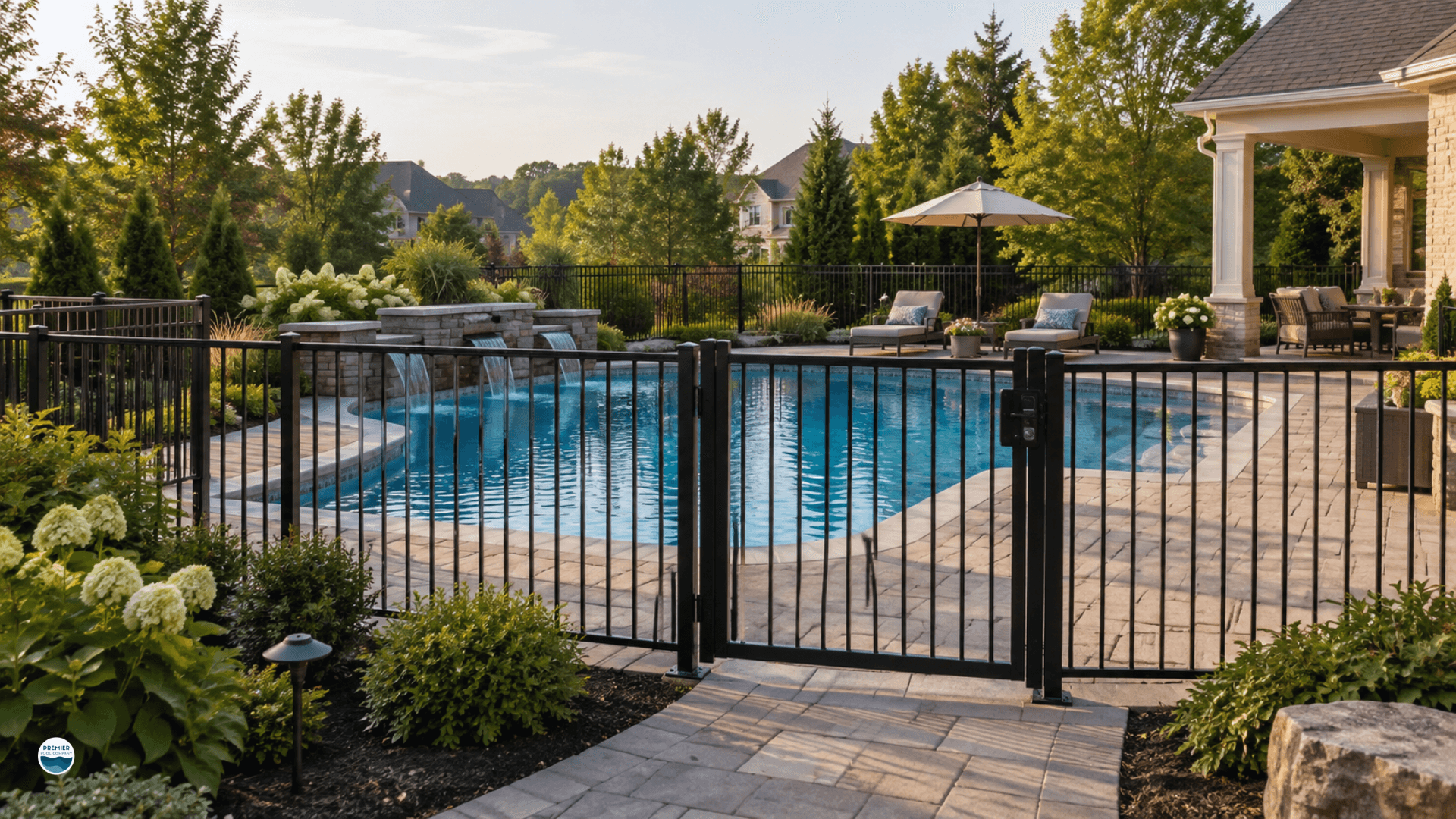
Pool Safety Regulations In Ohio - Everything You Need To Know
Learn Ohio pool safety regulations, including pool safety requirements, swimming pool fence rules, permits, gates, barriers, and local laws.

Aaron Lehner
Do Pools Add Value To A House In Ohio?
Do pools add value to a house in Ohio? Learn how pools affect resale value, appraisal, costs, buyer demand, and when an inground pool makes sense.