

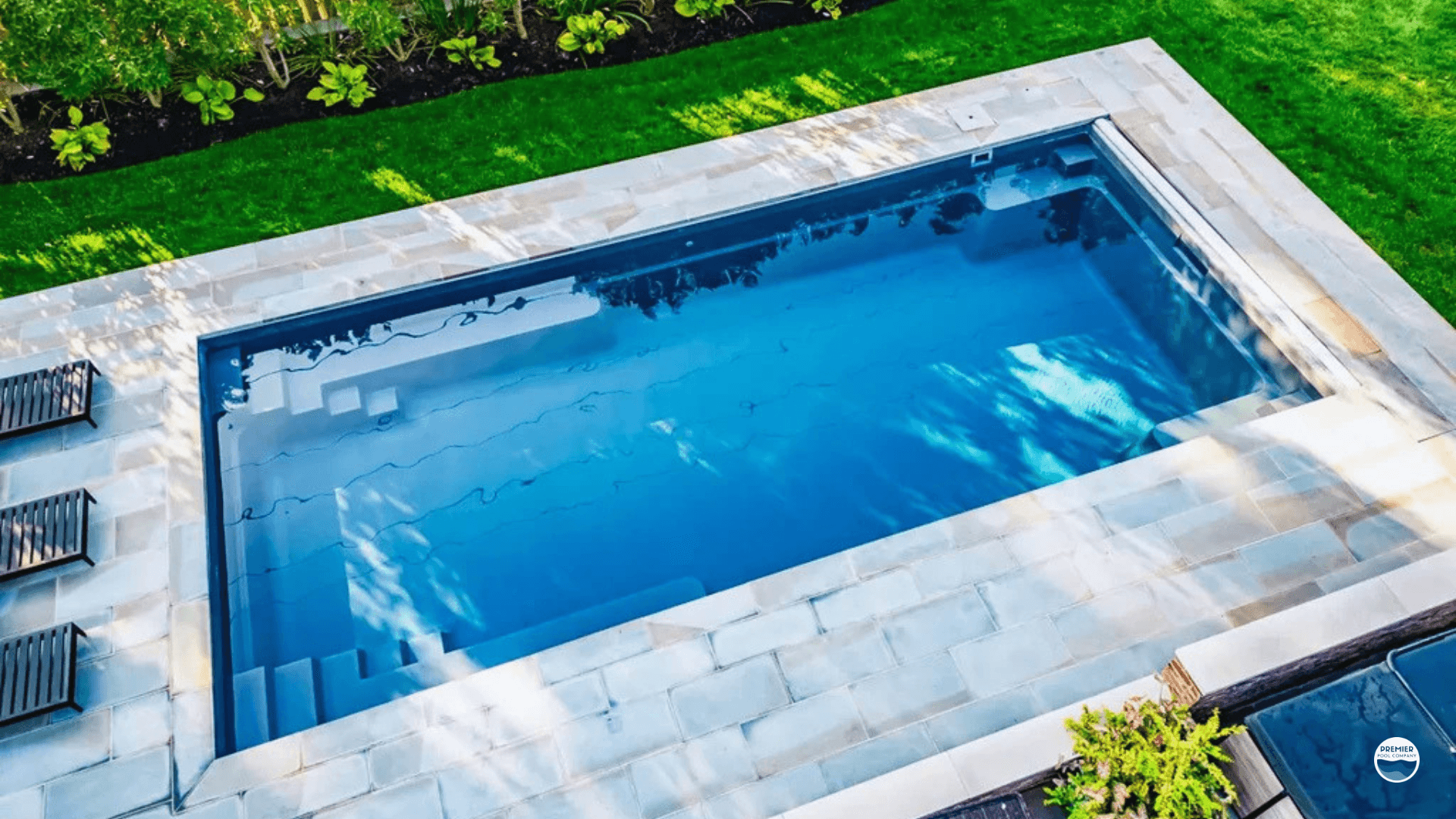
What Are the 7 Insider Secrets on Vinyl Liner Pool Cost Every Ohio Homeowner Should Know?
The first price you see is not the price you pay. I’ve built vinyl liner pools across Ohio long enough to know the “kit” number is the appetizer, not the meal. What industry veterans wish first-time buyers knew is simple and a little uncomfortable: your yard, your access, and your finish choices swing vinyl liner pool cost far more than any glossy brochure suggests. A narrow gate can mean a crane. A gentle slope can demand serious drainage. And that bargain liner? It might cost you more when you factor in energy, upkeep, and the vinyl liner replacement cost seven to ten years down the road.
I learned this the hard way so you don’t have to. I’ve watched a perfectly planned dig pause when we hit surprise shale at 30 inches. I’ve rerouted equipment because a 36-inch gate met a 48-inch skid steer. I’ve seen a client save thousands by paying for a pre-dig assessment, and another spend the same because nobody budgeted for water delivery after a dry spell. These are not scary stories. They’re guardrails. A few candid, real-world anecdotes can keep your vinyl pool installation cost on course and your timeline intact.
If you want straight talk: what to upgrade, what to skip, when to buy, and how to lock in a number that doesn't balloon, keep reading. I'm Aaron Lehner, co-founder of Premier Pool Co., and I've been building vinyl liner pools across Ohio for over a decade. These are the seven insider secrets I give my closest friends before they sign a contract. It's not flashy, but it's honest. And it might be the difference between a summer you love and a bill you don't.
TL;DR — Quick Takeaways Before You Read
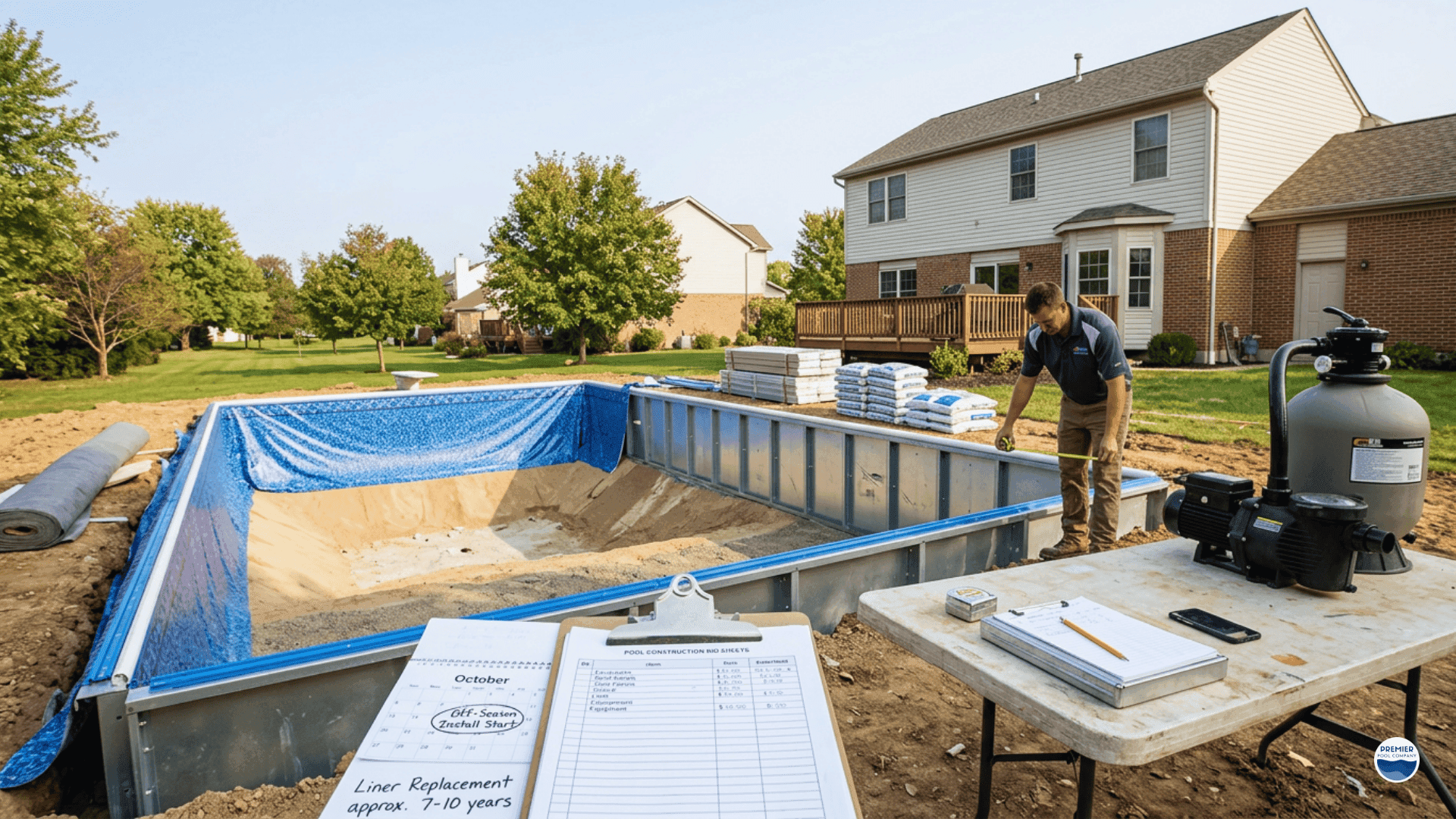
Here's the short version of what you'll learn in this guide, useful whether you're comparing quotes right now or just starting to budget your Ohio pool project.
Your yard, soil type, and site access set the opening bid on vinyl liner pool cost, before a single panel is ordered.
Steel vs. polymer walls and liner thickness (27–30 mil recommended) are long-term investment decisions, not just line items.
A variable-speed pump, right-sized filter, and smart automation can save $400–$600/season in Ohio, shaping your 10-year cost more than most upgrades.
Freight surcharges, water fill costs, and off-peak timing are silent budget factors that rarely appear in a first quote.
Most liner warranties exclude groundwater damage, wrinkling, and chemical fading, read the fine print, not the brochure.
Plan for vinyl liner replacement at year 7–10. Set aside a liner fund annually to avoid scrambling mid-summer.
Itemized bids, off-season scheduling, and bundled upgrades are your best negotiation tools for keeping vinyl pool installation cost on track.
Secret 1: Site Conditions Drive the Base Price More Than You Think
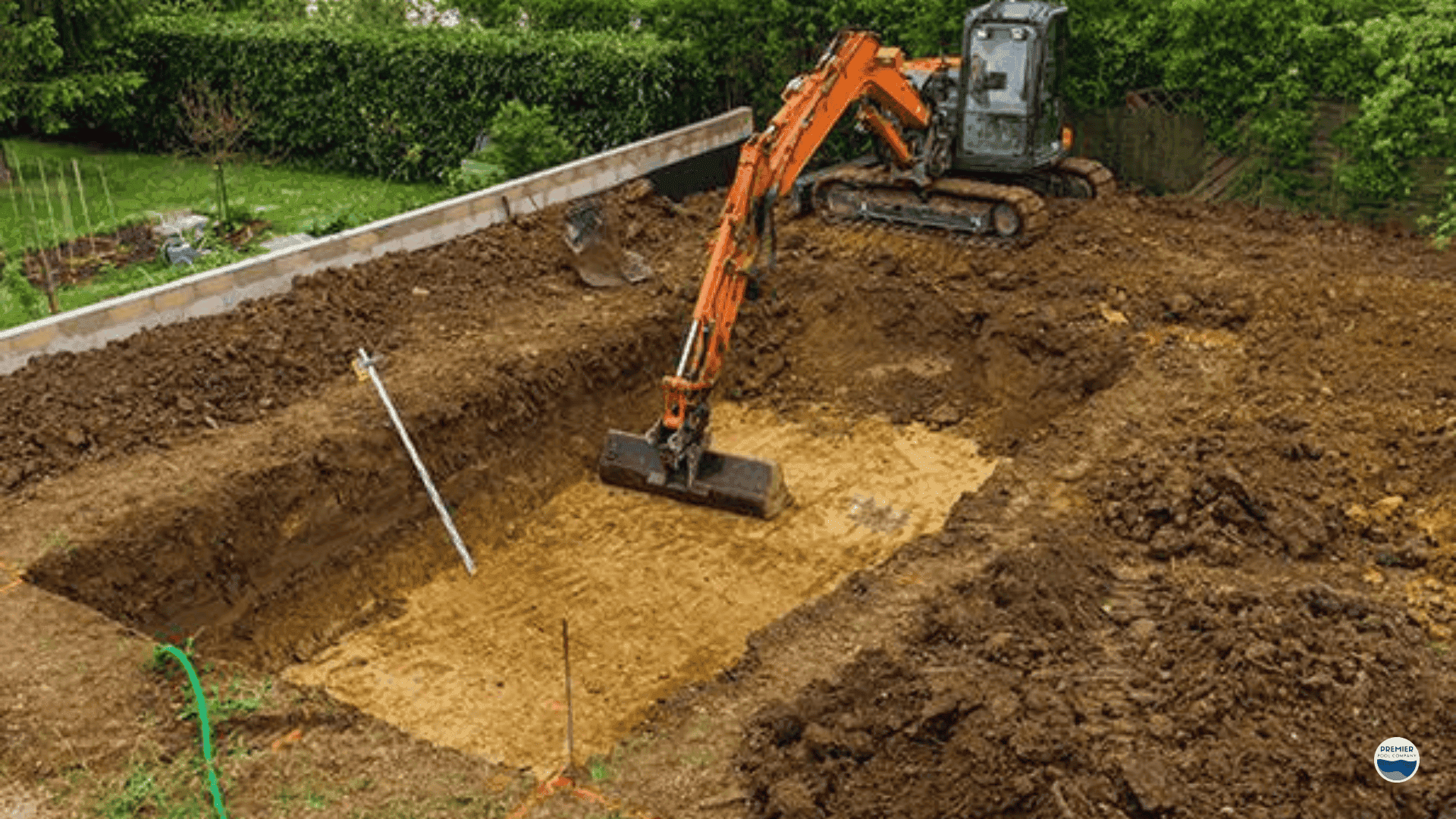
I wish more first-time buyers knew this: your yard sets the opening bid. In Ohio, I see a lot of dense clay, glacial till, and the occasional vein of shale. Clay holds water and fights the bucket, which slows digging and spikes pool excavation costs. Shale needs a breaker or a tooth bucket. Add a backyard with a decent slope in Cincinnati or a tight side yard in Columbus, and we’re talking crane lifts, skid-steers, and extra labor just to move dirt. None of that shows up in a glossy brochure, but it shows up fast on an invoice.
Access is the sleeper. A standard dump truck and excavator want a wide, straight shot. Give me a narrow gate, a deck to work around, or a septic field to tiptoe past, and suddenly we’re shuttling dirt with smaller machines and more crew hours. Hauling spoil off-site can take multiple trips, and if the dump site is a distance away, or wet weather shuts it down, those hidden pool costs stack up. I’ve had builds where the pool hole was ready, but we burned two extra days just moving mud to a place that would take it.
Rock and groundwater are the wild cards. Hit hardpan at three feet or find a perched water table near a creek, and you’re in change-order country. Pumps, well points, crushed stone, and extra geotextile can keep a project safe, but they push timelines. I once uncovered a buried concrete patio under a lawn that looked harmless, took six hours and a hydraulic hammer to clear. That kind of surprise doesn’t just slow the dig; it ripples through inspections, liner delivery, and even the crew’s next job. It’s why the “average” vinyl liner pool cost you saw online rarely survives first contact with your soil.
Here's a look at how common Ohio site conditions affect your vinyl liner pool cost before construction even begins:
Site Condition | Typical Additional Cost to Vinyl Liner Pool Install |
Dense clay or glacial till | $500–$2,000 in added excavation time |
Shale or buried rock | $1,000–$5,000+ for breaking and removal |
Sloped yard (crane required) | $1,500–$4,000 for rigging and access |
High groundwater table | $1,000–$3,500 for dewatering and drainage |
Tight gate or limited access | $500–$2,500 for smaller equipment and extra trips |
Long haul-off distance | $300–$1,200 per additional dump run |
Even a yard that looks flat and simple can hide one or two of these factors. That's why I never commit to a final number until I've walked the property myself.
Here’s my pro tip: pay for a pre-dig site assessment. I bring in a small test excavator, check soil conditions, probe for groundwater, and confirm access and haul routes. We document what we find, set real allowances, and cap the surprises before they become line items. It’s a few hundred dollars that can save thousands, and a lot of stress. The cheapest pool is the one that doesn’t discover its problems after the contract is signed.
Secret 2: Wall Systems and Structural Choices Affect Both Cost and Longevity
I get asked about steel or polymer at least twice a week. Here’s the blunt truth: both build a solid vinyl liner pool, but they age differently and price out differently depending on where you live. In much of Ohio, I lean polymer near salt systems or heavy clay because polymer won’t rust, even if your soil stays damp after a storm. Steel panels, on the other hand, often come with stronger structural ratings and can be easier to source mid-season when lead times tighten. With regional pool pricing all over the map right now, I’ve seen polymer carry a higher sticker in spring, then steel jump in late summer when factories get slammed.
Warranty terms matter too: some steel lines pro-rate corrosion coverage; some polymer packages extend panel warranties but exclude certain hardware. Ask for the actual warranty sheets, not the brochure and read the corrosion fine print like you would a car loan.
Here's a quick side-by-side to help you frame the decision before talking to your builder:
Factor | Steel Panels | Polymer Panels |
Rust resistance | Lower — can corrode in wet clay soils | Higher — ideal near salt systems |
Structural rating | Often higher | Moderate |
Mid-season availability | Generally easier to source | Can have 4–6 week lead times |
Warranty coverage | Pro-rated corrosion terms | Longer panel warranty; hardware often excluded |
Typical price difference | Lower upfront in most markets | 5–10% premium, especially in spring |
Both systems work. The choice comes down to your Ohio microclimate, your soil, and your salt system plans. Ask for the actual warranty PDFs, not the brochure before you decide.
Let’s talk liners, because thickness is where you win or lose years. A 27–30 mil liner costs more upfront, often $600–$1,200 more on a typical backyard pool, but it usually buys you time. In full sun, with kids cannonballing all summer and a salt system in play, I’ve seen thicker liners stretch replacement from year 7 to closer to year 10.
That’s not magic; it’s physics and care. In shaded backyards or with a diligent owner who keeps pH and stabilizer in range, the thicker liner really pays off. If your budget’s tight, I’d rather you pick the thicker liner and a simpler light package now, then add the fancy lights next year. It’s the kind of trade that actually lowers your long-term spend.
Here’s the unsexy hero of a vinyl pool:
Engineered backfill with proper drainage. If we drop panels into a wet hole and dump whatever dirt comes back against the walls, you’ll get movement, wrinkles, and a call to me after the first thaw. I’d rather install a clean, compactable backfill often stone and a perimeter drain that moves water away from the panel base. Yes, that line item adds cost. But it protects your walls from freeze-thaw cycles and keeps hydrostatic pressure off the liner. I once redid a pool where the original builder skipped drainage to “save” $1,800; the homeowner later spent five figures on wall adjustment, liner replacement, and re-leveling the deck. Save early or save once. I’m a save-once guy.
One last pointer before you sign:
build time and local rules influence panel choices. Some Ohio townships process pool permit fees faster than others, and inspections can land right as your panel order is shipping. If steel is on a two-week lead and polymer is six, that delay can push you into peak-season labor rates or extra site holding costs. Factor that into your decision. Ask your builder to price both systems with real lead times, attach the warranty PDFs, and spell out the drainage and backfill spec in writing. That way your wall system isn’t just cheaper today, it’s still square, true, and covered ten winters from now.
Secret 3: Equipment Choices Set Your 10-Year Cost Curve
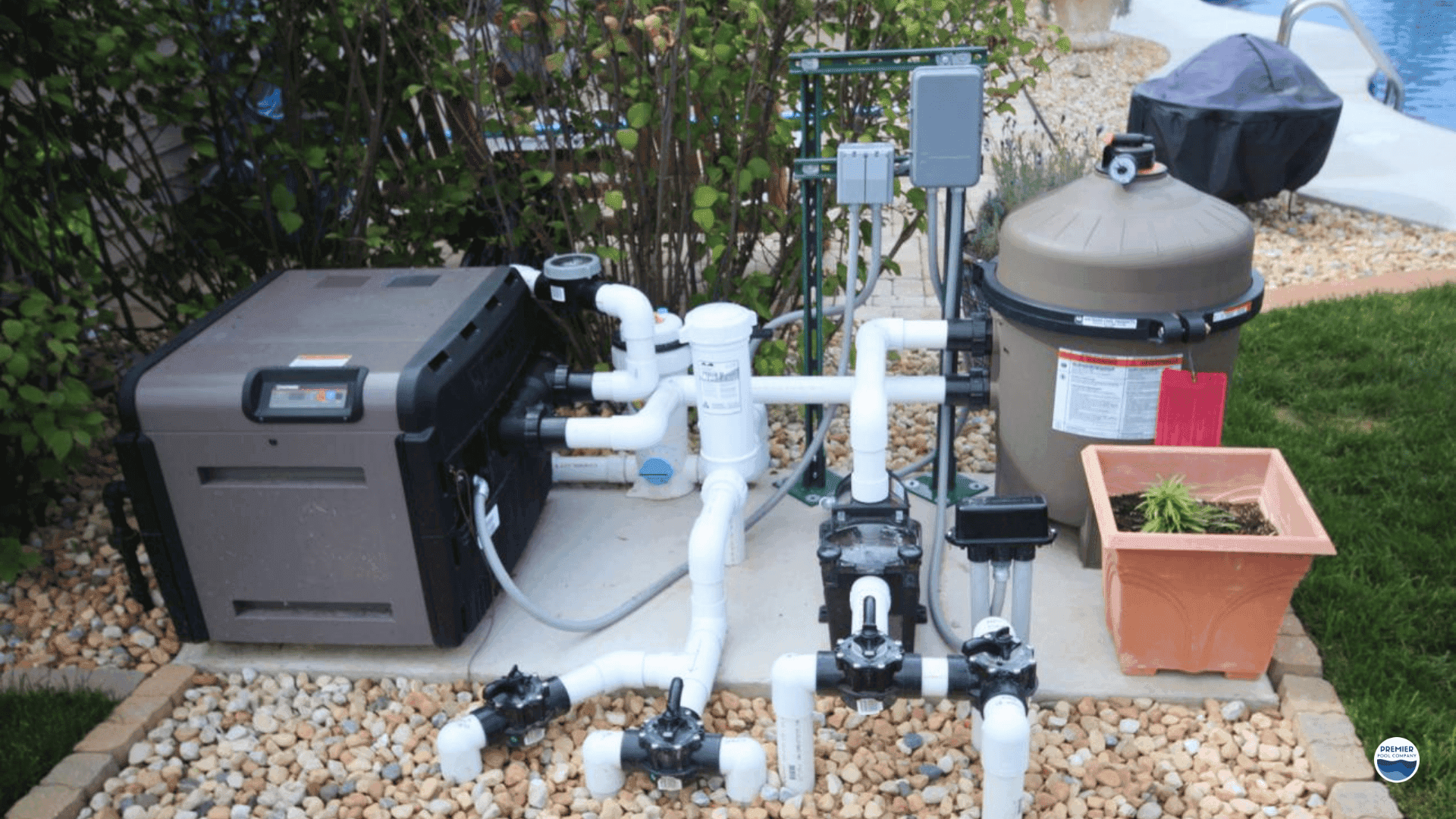
When folks ask me where the “real” savings happen, I point to the pad: pump, filter, heater, and brains. A variable-speed pump almost always pays for itself in Ohio. Our electric rates aren’t the highest, but they’re not pocket change either. A single-speed pump is like a pickup idling at a redline all day. A variable-speed slips into cruise, moves the same water on lower RPMs, and cuts energy use by half or more. Match that with the right filter size, slightly oversized sand or cartridge and you’ll run cleaner water at lower pressure, which stretches pump life and reduces backwashing and filter cleanings. I once swapped a 1.5 HP single-speed for a variable-speed on a Columbus build and shaved the customer’s bill by about $40 a month in season. That’s not flashy, but over 10 years it’s real money.
Heat changes the equation fast. In Ohio, we live in the shoulder seasons, May nights in the 50s, September days in the 70s. A gas heater brings water up to temp fast for weekend swims, while a heat pump sips power and holds steady temps over long stretches.
If you like quick, on-demand warmth, gas wins. If you want to stretch the season and don’t mind a slower climb, a heat pump often costs less to run. Pair either with an automatic cover and you’ll keep most of that heat from blowing away overnight. Covers don’t just add comfort; they stabilize chemistry, lower evaporation, and block debris. I put a cover on my own pool the year my twins started cannonballs. My gas use dropped, my water topped off less, and my Saturday skimming routine went from 20 minutes to two.
Here's how the main Ohio heat options stack up, in real terms, not spec sheets:
Heat Source | Best For | Upfront Cost | Estimated Operating Cost |
Gas Heater | Quick warm-up, weekend use | $1,500–$3,500 | Higher (depends on gas rate) |
Heat Pump | Extended season, May–Sept | $3,000–$6,000 | 50–70% less than gas |
Solar Heating | Supplemental warmth, low budget | $2,500–$5,500 | Near zero |
Automatic Cover | Heat retention (all setups) | $1,200–$3,500 | Reduces all other heating costs |
Automation gets pitched as a toy, but it’s a budget tool. A simple controller that schedules your pump, heater, and chlorination keeps your system from overworking. It also texts you when the filter pressure spikes or the water temp dips. LED lighting falls in the same camp, higher upfront, but they last for years and sip energy compared to old halogens. As for salt systems, they’re not “set and forget,” but they do smooth out chlorine levels and can cut shock runs when dialed in. In Ohio, I size cells a step larger and coach owners to reduce output once the water cools in fall. That habit saves the cell, avoids corrosion, and keeps your opening next spring cheaper and calmer.
If you zoom out, equipment choices shape the lifetime cost of pool ownership more than most line items, sometimes more than your pool decking cost upgrade from broom-finish to pavers. The trick is to price the decade, not the day. A variable-speed pump, right-sized filter, efficient heat source, and smart automation can return their premium within a few seasons and keep paying you back every summer after. Build the pad like you plan to keep the house, and your future self will thank you when the water’s warm, the power bill is mild, and the system just hums.
Secret 4: Freight, Water, and Timing Are Silent Budget Killers
I’ve watched more vinyl liner pool costs blow up from “little add-ons” than from the big-ticket line items. Freight is a quiet one. Steel panels, polymer steps, and even the liner itself don’t travel for free. When fuel spikes or a supplier ships from farther than expected, you’ll see a freight surcharge on your invoice that wasn’t on the glossy brochure.
Last June, a Cincinnati client saw a $1,150 bump because a preferred polymer panel plant was backordered and the distributor sourced from an out-of-state warehouse. Nothing changed in the design. The truck just had farther to go. That’s why I flag freight zones and ask vendors for live-rate estimates before we sign. It’s not sexy, but it’s honest.
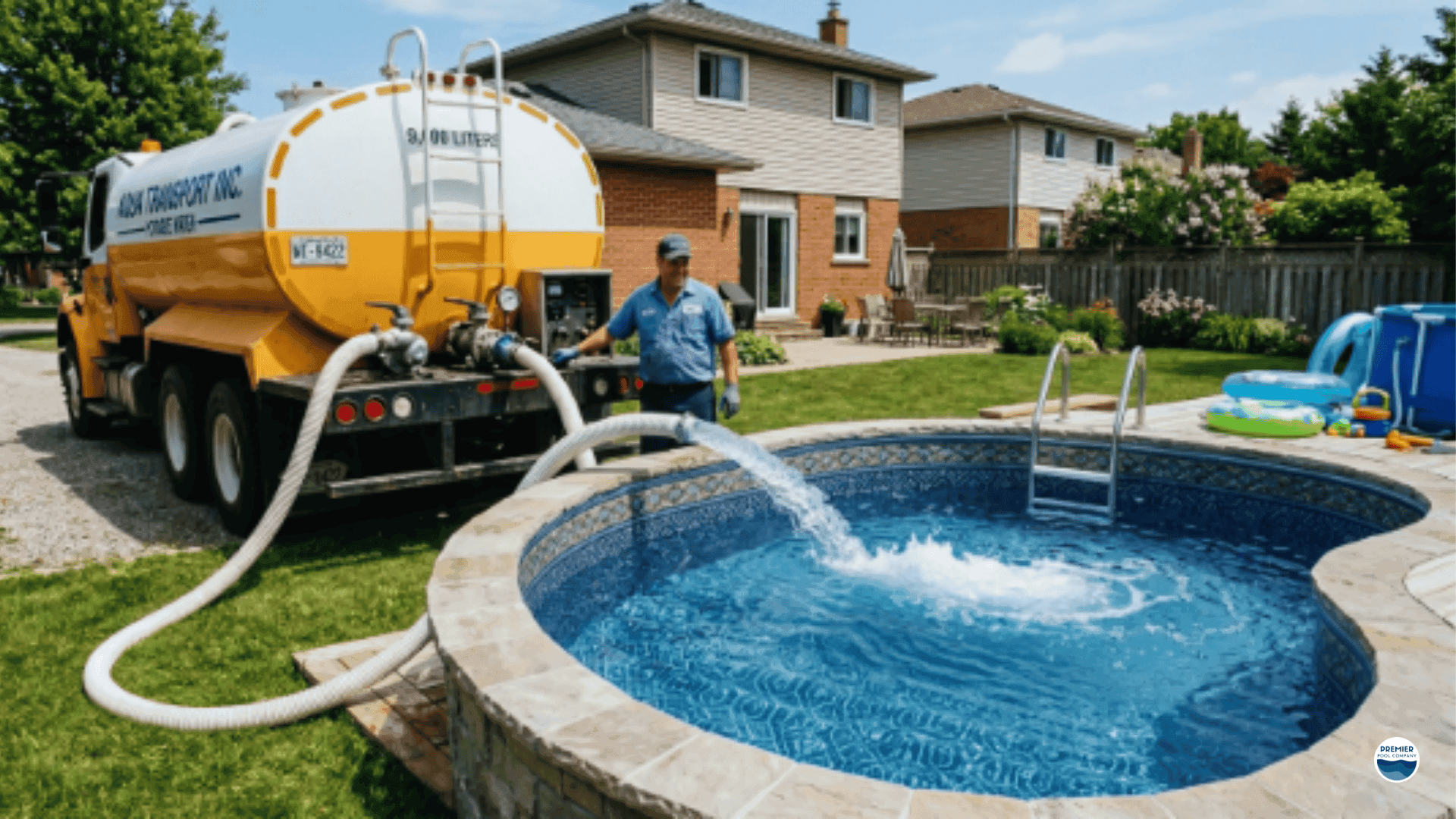
Water is another sleeper. In Ohio, some towns let you use a hydrant meter; others make you schedule a water hauler. Either way, you’re paying for volume and time. If we’re filling a 20,000-gallon pool and the hydrant fee is tied up in permitting delays, you’ll pay a hauler and sometimes a second trip if we’re also pressure-testing lines or cleaning after a liner set. I’ve seen fill costs double when we had to stop at 60% to correct a small wrinkle, then bring the truck back the next morning. Add in a few extra days of backfill and compaction if we hit rain or soft clay, and the “simple” line item turns into a line breaker. Those extra days mean crew time, equipment standby, and sometimes more stone, none of which your original estimate assumed.
Timing might be the biggest lever you control. Off-season installs, think late fall or very early spring, almost always get you better pricing on freight and labor because suppliers and crews aren’t slammed. I’ve used slow-season leverage to negotiate free liftgate service or reduced delivery windows, which trims hundreds off freight alone.
On the flip side, peak-season change orders are brutal. You decide mid-July to add a heater or bump the deck square footage? Expect a premium. Freight carriers are maxed out, installers are booked, and that “simple add” dominoes into rescheduling, remobilizing, and re-permitting. I’ve watched a $3,000 pool heater cost turn into $4,200 by August because of rush freight, electrician overtime, and a second gas inspection.
Here’s the playbook I give every first-time buyer: lock freight early, clarify water-fill method in writing, and aim for shoulder-season builds.
Ask your pool builder where your panels, steps, and liner are shipping from and what triggers a surcharge. Get a not-to-exceed freight allowance on the contract. My playbook for keeping freight, water, and timing from blowing your budget:
Lock freight terms in writing, get a not-to-exceed freight allowance in the contract.
Clarify your water-fill method up front and time the fill around the liner set day.
Bundle upgrades (automation, salt system, heater) into the initial order to capture early pricing.
Ask your builder where panels are shipping from and what triggers a freight surcharge.
Aim for shoulder-season builds (late fall or early spring) for better pricing and crew availability.
Secret 5: Warranties, Fine Print, and Chemistry Habits Protect or Destroy Your Value
Here's the part no one reads until something goes wrong: warranties. I’ve seen Ohio liners wrinkle after a week of heavy rain because groundwater pushed up from below. The homeowner pulled out the “lifetime liner” brochure. The fine print excluded groundwater and wrinkling. Most liner warranties do. They also exclude chemical damage, fading from high chlorine, and stains from metals in well water. On top of that, many are prorated and cover material only, not labor, water haul-in, or downtime. That means you could still be on the hook for thousands, even if the liner is “covered.”
Here's what most standard liner warranties actually cover and what they quietly exclude:
Coverage Area | Typically Covered | Typically Excluded |
Manufacturing defects | Yes (prorated) | Labor, water refill, downtime |
Wrinkling from groundwater | No | Explicitly excluded in most warranties |
UV fading / chemical damage | No | Excluded; chemical records required |
The takeaway: don’t buy a liner based on warranty length. Read what’s excluded, ask for it in writing, and maintain your chemistry records from day one.
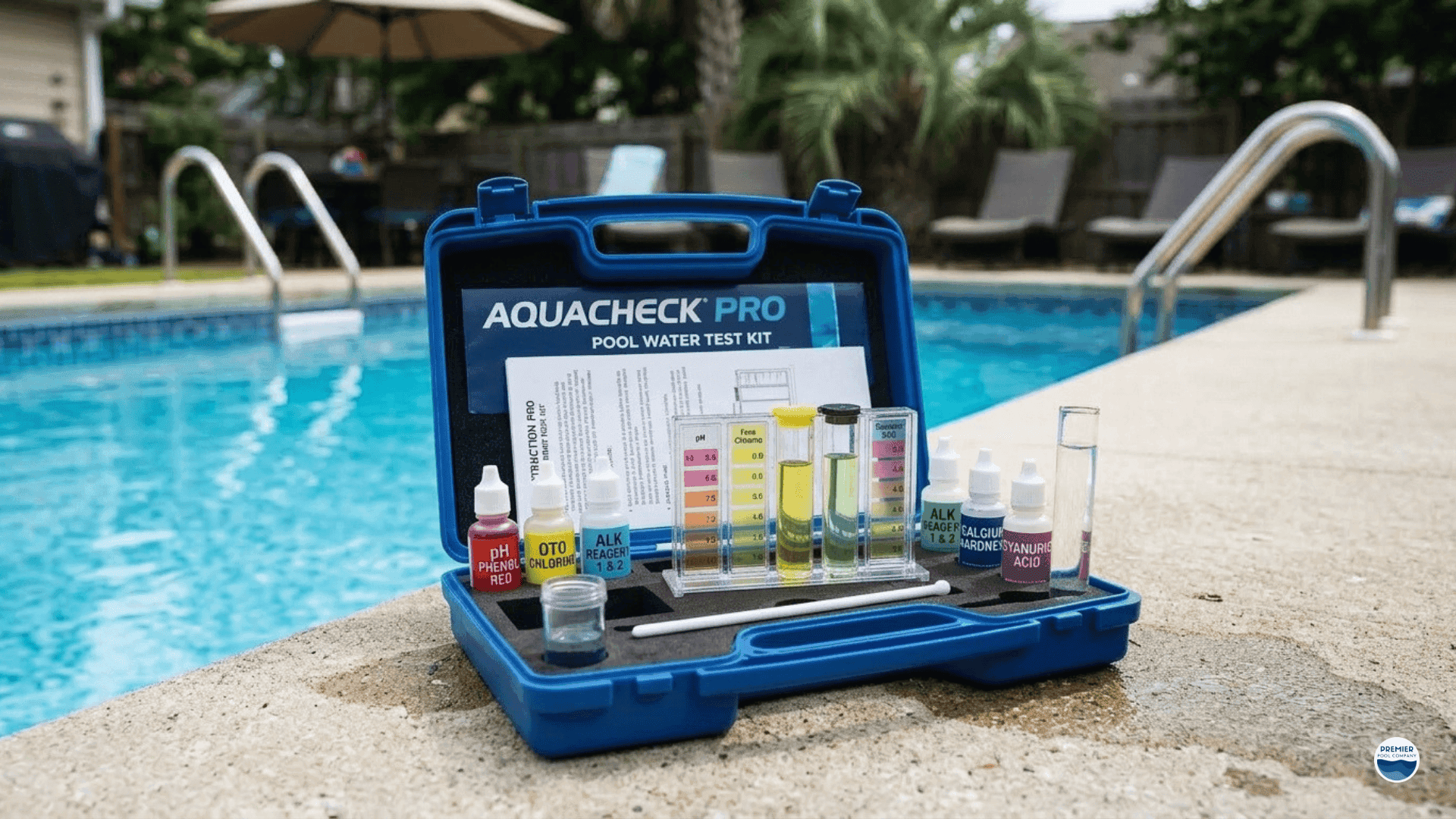
Water chemistry is where value lives or dies. A vinyl liner is tough, but it’s not a fan of abuse. Keep pH between about 7.2–7.6, alkalinity steady, and calcium in range so you don’t get puckering, brittle corners, or bleached prints. Salt pools need the same care, steady stabilizer (CYA), not sky-high chlorine. I budget every client a good test kit, stabilizer, and basic supplies up front because it costs far less than an early replacement.
One Columbus family logged chemistry once a week their first summer; their liner still looks new five seasons in. Their neighbor “eyeballed it,” shocked hard after parties, and called me about wrinkles and fading by year three. The difference wasn’t luck.
Get promises in writing, not just on the truck door. Ask for a written workmanship warranty that spells out what happens if the floor settles, a seam lifts, or steps weep. I add a start-up sheet to every build: date, initial chemistry, temperature, and photos of fill and liner fit. I leave you a copy, and I keep one. If a manufacturer rep shows up, that record protects your coverage. It also draws a clean line between a defect and, say, a winterization mistake. Speaking of lines: document when your pool plumbing and electrical cost includes bonding, GFCI breakers, and equipment pads. If a stray-current issue cooks a heater or stains a liner and bonding wasn’t done right, the warranty won’t save you.
Local conditions matter too. Our freeze-thaw cycles, clay soils, and surprise high water tables around Dayton and Cincinnati are hard on liners and walls. That’s why I push for proper drainage, sump pits where needed, and smart site access and grading during the build. Those steps aren’t just “extras”; they’re warranty insurance because they prevent groundwater pressure and washouts that void coverage. Pair that with consistent chemistry and a written workmanship warranty, and you’ve protected the big stuff: your liner, your time, and your wallet.
Secret 5B: Liner Replacement Isn’t Optional Plan for Year 7–10 Now
I tell every homeowner the same thing at contract signing: a vinyl liner is a wear item. In Ohio, most liners last 7–12 years depending on thickness, sunlight, chemistry, and how you treat the pool in spring and fall. A 27–30 mil liner paired with disciplined water balance usually makes it past year 10. A thin liner with wild pH swings and heavy UV exposure can tap out at year 7. Freeze-thaw cycles don’t help either. They stress corners and seams. None of this is doom and gloom — it’s just the honest math behind vinyl liner pool cost.
Here's how the main variables affect how long your liner will realistically last:
Liner Factor | Average Lifespan Impact | Notes for Ohio Homeowners |
20 mil liner | 5–8 years average | Budget-friendly; fine for shaded or low-use pools |
27–30 mil liner | 8–12 years average | Recommended for full sun, salt systems, or heavy use |
Poor water chemistry (pH swings) | Cuts lifespan by 2–4 years | Most common cause of early liner failure in Ohio |
Proper winterization | Extends life by 1–2 years | Closing too early or too late stresses corners and seams |
When you budget for replacement, think beyond the liner. You’ll likely need new faceplates, gaskets, and screws for skimmers, returns, and lights. If you have molded steps, we may reseal the step flange. Expect a water refill and a day of finesse work as we set the liner, pull vacs, and smooth wrinkles. I’ve seen smart owners set aside a small “liner fund” each year enough to cover a new liner by year eight. It beats scrambling when July hits and your liner decides to retire. For best practices on extending liner life and staying ahead of chemistry issues, see our guide on pool liner maintenance and care.
Timing is the other trick. Off-season installs, late fall or early spring, usually cost less and move faster. Crews aren’t slammed, and you avoid peak installer backlogs. I replaced a liner in November for a Cleveland client who saved on labor, snagged a manufacturer promo, and had the pool buttoned up before snow. Come May, they just topped off, balanced chemistry, and swam. That’s the move.
One more pro tip: use replacement time to correct small sins. If rock and soil conditions contributed to groundwater pressure or minor wall movement, we’ll address drainage and backfill when the pool is open. Document start-up chemistry to keep your pool warranty coverage clean. A tidy paper trail helps if questions come up later. Replacement isn’t a setback, it’s your chance to reset the clock, tighten the details, and lower long-term vinyl liner pool cost.
Secret 6: Contractor Vetting and Bid Structure Determine What You Really Pay
I tell every homeowner the same thing: the prettiest rendering wins hearts, but the cleanest scope wins budgets. Understanding what drives vinyl liner pool cost starts with knowing how contractors structure their bids and what hidden expenses can derail your project timeline for pool installation.
Here's what you need to demand in every bid:
• Itemized breakdown: Excavation, panels, liner, equipment, electrical, deck, fencing, permits, and water - if it's not in writing, it's not in the price.
• Soil contingencies: Rock clause with per-cubic-yard rates, groundwater contingency for pumping and dewatering, clear not-to-exceed caps for haul-off and backfill.
• Recent local references: Three builds within 20 miles with photos at each stage and actual crew member names.
• Contractor vetting: Licensed electrician for permits vs. subcontracted work, in-house panel installation team, clear chain of command for inspections and locates.
• Apples-to-apples comparison: Standardized specs for liner thickness, wall system, pump type, filter size, deck square footage.
• Change-order protection: Unit prices for added concrete, circuits, and trenching established before signing.
• Site-specific allowances: Ohio soil conditions factored into bid (clay, rock, spring activity).
The cheapest bid with vague terms usually becomes the most expensive story at a backyard barbecue. I once reviewed a "great deal" in Columbus that omitted electrical bonding and GFCI work. That $0 line turned into a $4,800 surprise and added two weeks to the project timeline for pool installation. Detailed scopes protect your budget and keep financing predictable.
Secret 7: Smart Budget Moves, Negotiate, Bundle, and Phase Like a Pro
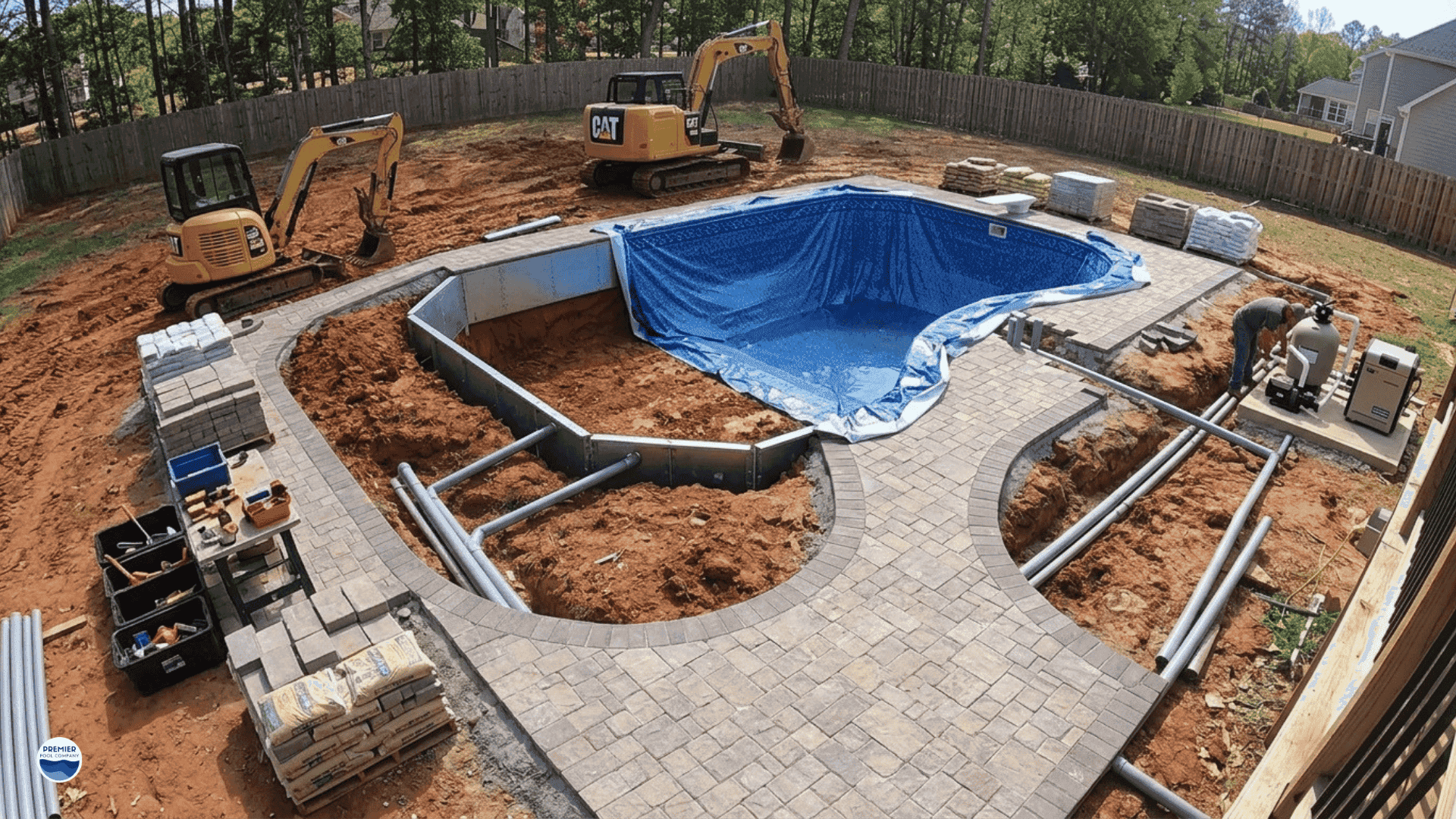
I tell clients in Ohio the same thing I tell my own family: save your money in the trenches, not the showroom. Bundle the messy stuff decking, fencing, and electrical, so we mobilize once, dig once, and schedule one inspection window. On a Parma job last fall, we lined up the deck pour, fence posts, and conduit runs in a single week. The homeowners saved roughly $2,400 in extra trips, trenching, and permit re-inspections. Same pool, same backyard, lower vinyl liner pool cost because we planned like adults and not like a reality show.
If the budget feels tight, phase the nice-to-haves without hobbling the bones of the pool. Think ahead: have us stub in power for a future heater, run extra conduits for landscape lighting, or set anchor points for a slide you’ll add next summer.
A family in Westerville skipped the automatic cover on day one but had us prep the vault and electrical. They added the cover a year later during a slow season and paid less than they would have under a peak-season change order. Phasing is not about settling. It’s about sequencing smartly so you don’t pay twice for the same dig.
When negotiating pool quotes, timing is everything. Lock in the upgrades during the contract, not after we’ve broken ground. A variable-speed pump, oversized filter, and LED lights cost less as line items than as “oh-by-the-way” adds. I just re-priced a job where the client chose the VS pump and LEDs up front; the bundle discount saved them about $1,100 versus adding them mid-build. Why? Because once the equipment pad is set, every change drags in labor, materials, and scheduling friction. Decide early, and you capture the builder’s leverage with suppliers.
Finally, do the math on financing APR versus off-season discounts. A 5% winter build credit on a $70,000 project is $3,500 cash you keep. If the alternative is 9% APR over 84 months, that interest can erase the “deal” you thought you had. I’ve seen buyers in Cleveland save more by pushing to a November dig than by chasing a low teaser rate that balloons. Ask me to show both paths in black and white. Choosing a pool contractor should include a line-by-line cost of money, not just concrete and steel. When you combine bundling, smart phasing, and early upgrades with a clear-eyed financing choice, you control the total cost of ownership, not the other way around.
Final Word: Spend Smart Now, Swim Easy Later
Here’s my bottom line after years of muddy boots and lined trenches: a clear scope, realistic allowances, and steady pool chemistry will lower your lifetime vinyl liner pool cost more than any coupon ever could. Put it in writing. Cap the unknowns. Test your water like you test your smoke alarms. When you do, the big surprises shrink, liners last longer, and your weekends don’t turn into chemistry class. That’s not hype. It’s what I see on job sites and service calls across Ohio, season after season.
If you can, time your build off-season, right-size the equipment instead of oversizing it, and lock in a detailed contract before the first bucket of dirt moves. Those simple moves protect your budget and your sanity. Do that, and you’ll spend more time floating and less time fighting invoices.
I’m Aaron, and I build these pools for a living. If you want a straight plan that respects your yard and your wallet, let’s put the details on paper and make your numbers and your water clear.
Ready to get started? At Premier Pool Co., we serve homeowners across Central Ohio from Columbus to Cincinnati and everywhere in between. Whether you’re planning your first pool or replacing a liner on an existing one, we’d love to walk your yard, give you a real number, and show you exactly how we build. Request a
free consultation, or check out our fullvinyl pool galleryto see what’s possible for your backyard.
Frequently Asked Questions About Vinyl Liner Pool Cost
Q: How much does a vinyl liner pool cost in Ohio in 2026?
A: Most vinyl liner inground pools in Ohio run $40,000–$80,000 installed. That range shifts based on your site conditions, wall system choice, liner thickness, and finish selections. Budget an extra $10,000–$20,000 for decking, utilities, permits, and equipment.
Q: How long do vinyl pool liners last in Ohio's climate?
A: A 27–30 mil liner with proper chemistry typically lasts 8–12 years in Ohio. Thinner 20 mil liners average 5–8 years. The biggest shortcut to early replacement is pH neglect and poor winterization.
Q: Is a saltwater system worth it for a vinyl liner pool?
A: Yes, if managed correctly. Salt systems smooth out chlorine levels and cut shock runs. The key is keeping stabilizer (CYA) in range and reducing salt cell output in fall. I size cells a step larger and always coach owners through the seasonal adjustment.
Q: What’s the biggest hidden cost in a vinyl pool install?
A: Soil and access surprises. Dense clay, buried rock, tight gates, or a high water table can add $1,000–$5,000+ before the first panel goes in. A pre-dig site assessment of a few hundred dollars is the best insurance against change-order surprises.
Q: Should I get a gas heater or heat pump for my Ohio pool?
A: Gas heaters win for quick warm-ups and cold snaps. Heat pumps win for extended season efficiency and lower operating cost. In Ohio, I often recommend pairing a heat pump with an automatic cover. You get the best of both worlds and your heating cost drops significantly.
More Blogs

Aaron Lehner
Do Fiberglass Pools Crack In Cold Weather As Per Ohio's Climate Changes?
Do fiberglass pools crack in cold weather? Learn what causes a fiberglass pool crack, how Ohio winters affect it, and how to prevent structural damage.
Aaron Lehner
Pool Safety Regulations In Ohio - Everything You Need To Know
Learn Ohio pool safety regulations, including pool safety requirements, swimming pool fence rules, permits, gates, barriers, and local laws.

Aaron Lehner
Do Pools Add Value To A House In Ohio?
Do pools add value to a house in Ohio? Learn how pools affect resale value, appraisal, costs, buyer demand, and when an inground pool makes sense.