

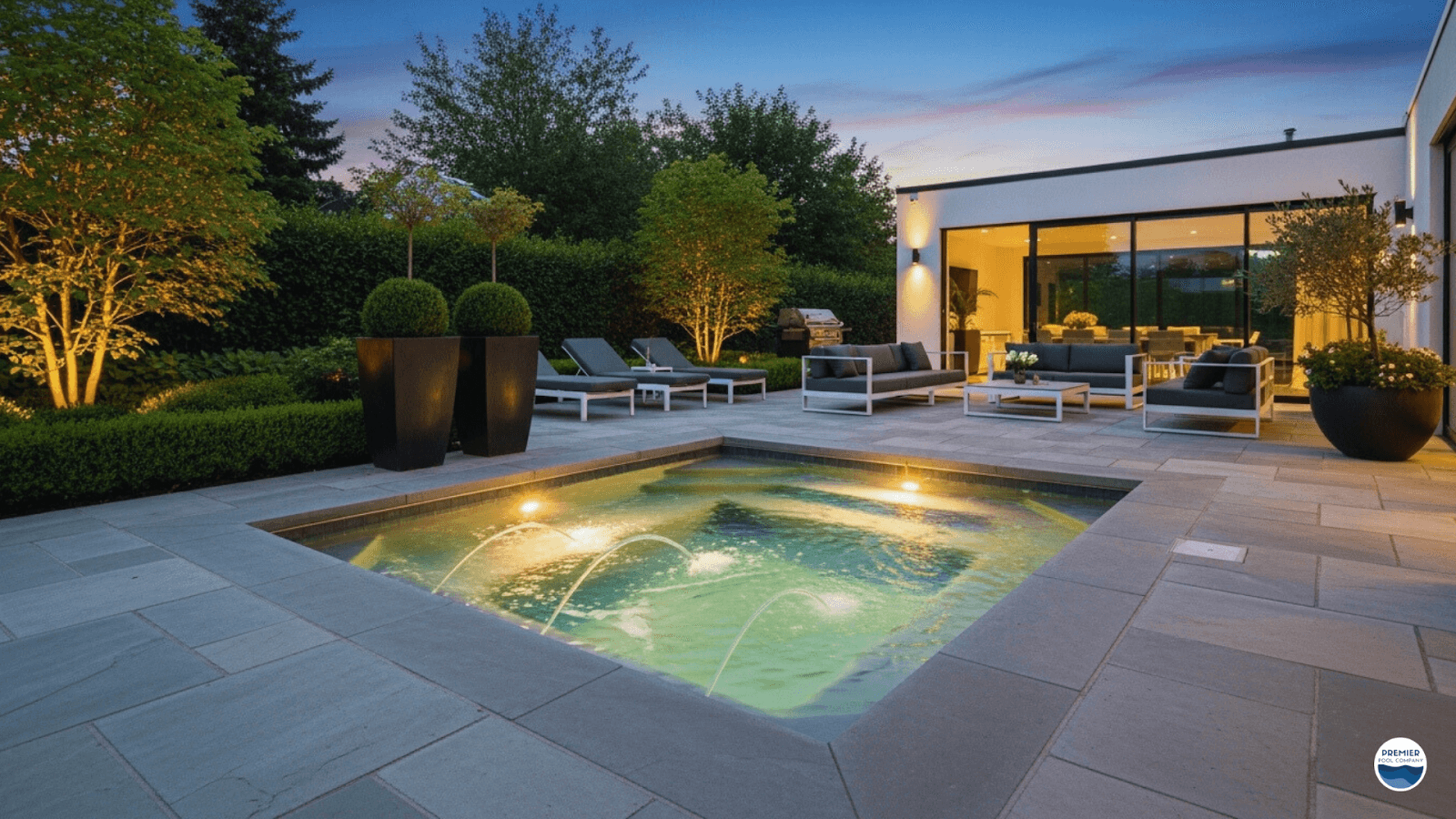
How Much Does an Inground Jacuzzi Cost? A Complete Guide
I've been building pools and spas in Central Ohio for years, and one question I get almost every single week is:
"Aaron, how much does an inground Jacuzzi actually cost?"
Honest answer? It depends - but that doesn't mean you have to go in blind. I've watched homeowners budget $15,000 for what they think is a simple inground spa, only to get surprised by excavation costs, electrical work, or the feature upgrades they didn't know they wanted until they saw them. That's not a fun situation.
So today, I'm putting together the most thorough breakdown I can give you, based on real-world experience here in Ohio. Whether you're planning a standalone inground Jacuzzi or thinking about adding a spa alongside your pool.
Here's what you actually need to know before spending a dime.
TLDR - What Does an Inground Jacuzzi Cost?
Before we dive in, here's a quick summary of the most important cost facts:
Inground Jacuzzis are permanent, in-ground spa installations, very different from portable hot tubs.
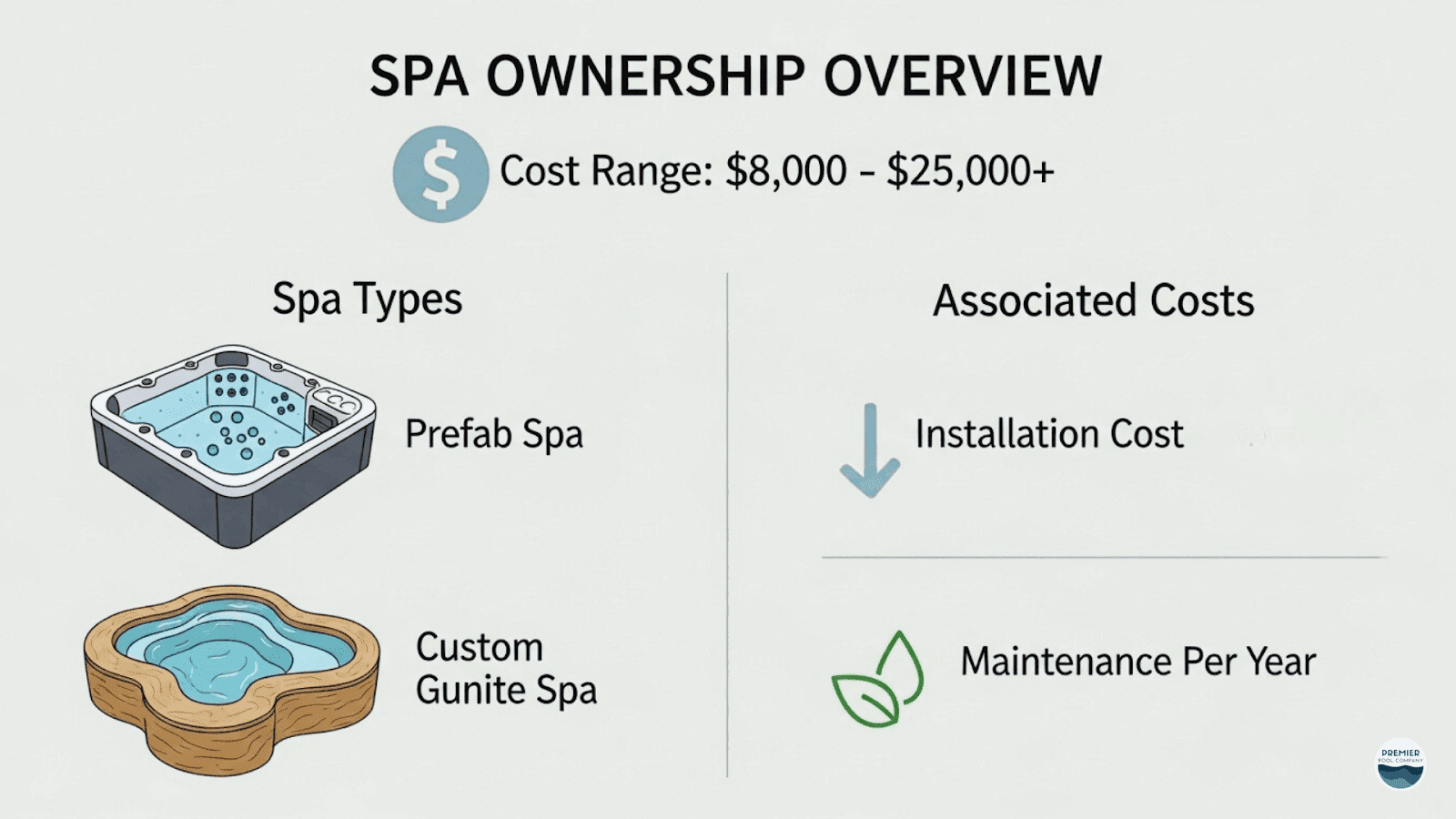
The national average installed cost ranges from $8,000 to $25,000, depending on type and features.
Custom-built gunite or concrete spas can exceed $35,000 for luxury configurations.
Installation alone (excavation, plumbing, electrical) typically adds $3,000 to $10,000 on top of the unit cost.
Annual maintenance runs approximately $1,200 to $2,250/year ($100-$150/month).
Building your Jacuzzi at the same time as your pool saves $3,000 to $8,000 vs. adding it later.
Key cost factors: size, material (gunite vs. prefab), features, yard conditions, and local permits.
What Is an Inground Jacuzzi - and Why Does It Cost More Than a Hot Tub?
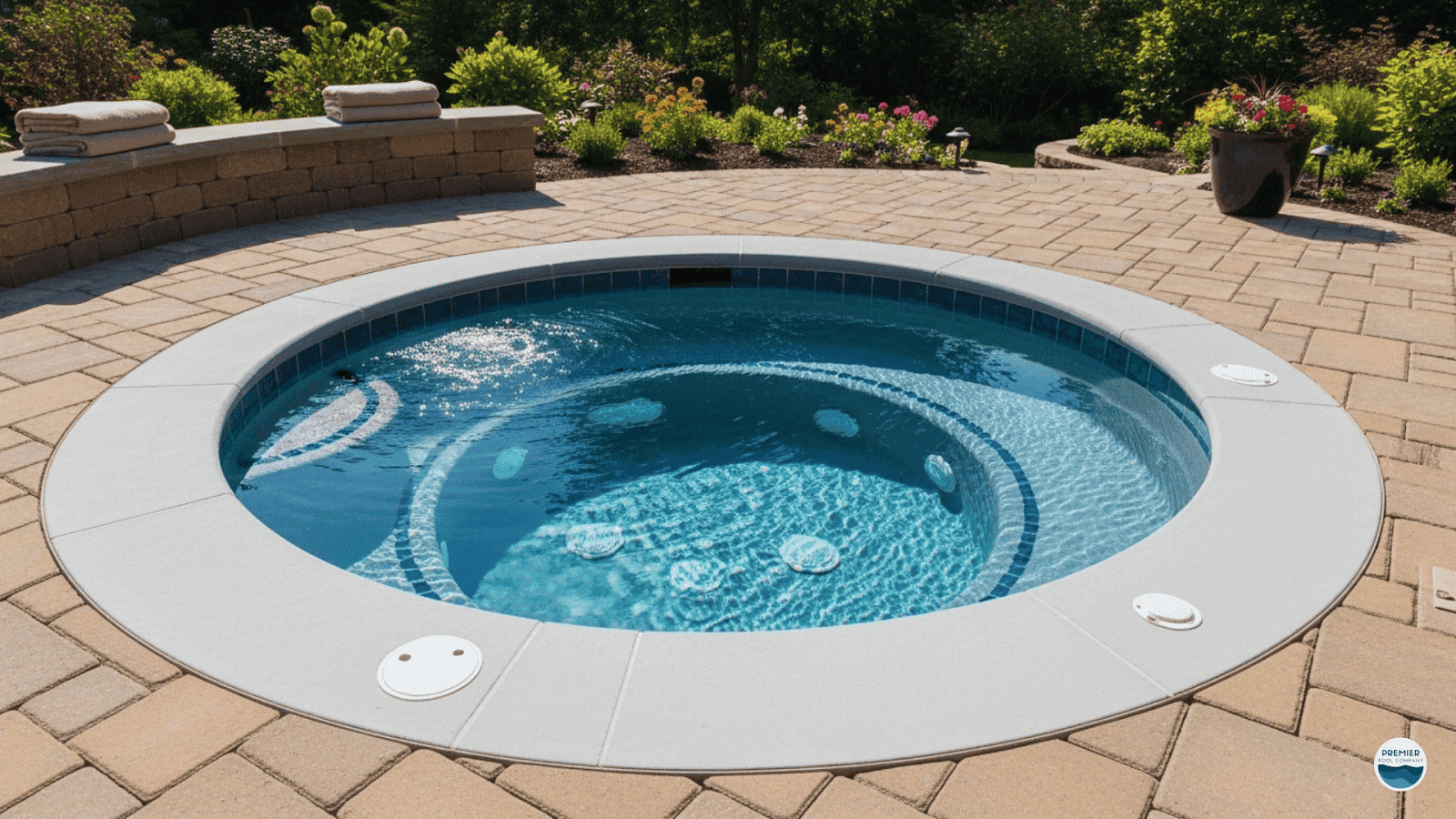
Before we talk numbers, I want to make sure we're on the same page. An inground Jacuzzi also called an inground spa or inground hot tub is built flush with the ground, just like an inground pool. It's a permanent, structural installation that requires excavation, dedicated electrical work, and plumbing connections. That's why it costs significantly more than the freestanding hot tub you'd buy at a big box store.
There are two main types you'll encounter:
Prefabricated inground spas - Factory manufactured shells (fiberglass or acrylic) that are set into an excavated hole. Faster to install and generally less expensive, typically ranging from $6,000 to $17,000 installed.
Custom-built spas (gunite/concrete) - Built on-site, fully customizable in shape, depth, size, and finish. Higher cost ($8,000 to $25,000+) but designed exactly to your specification and can integrate seamlessly with your pool or outdoor space.
Factors Influencing Inground Jacuzzi Costs
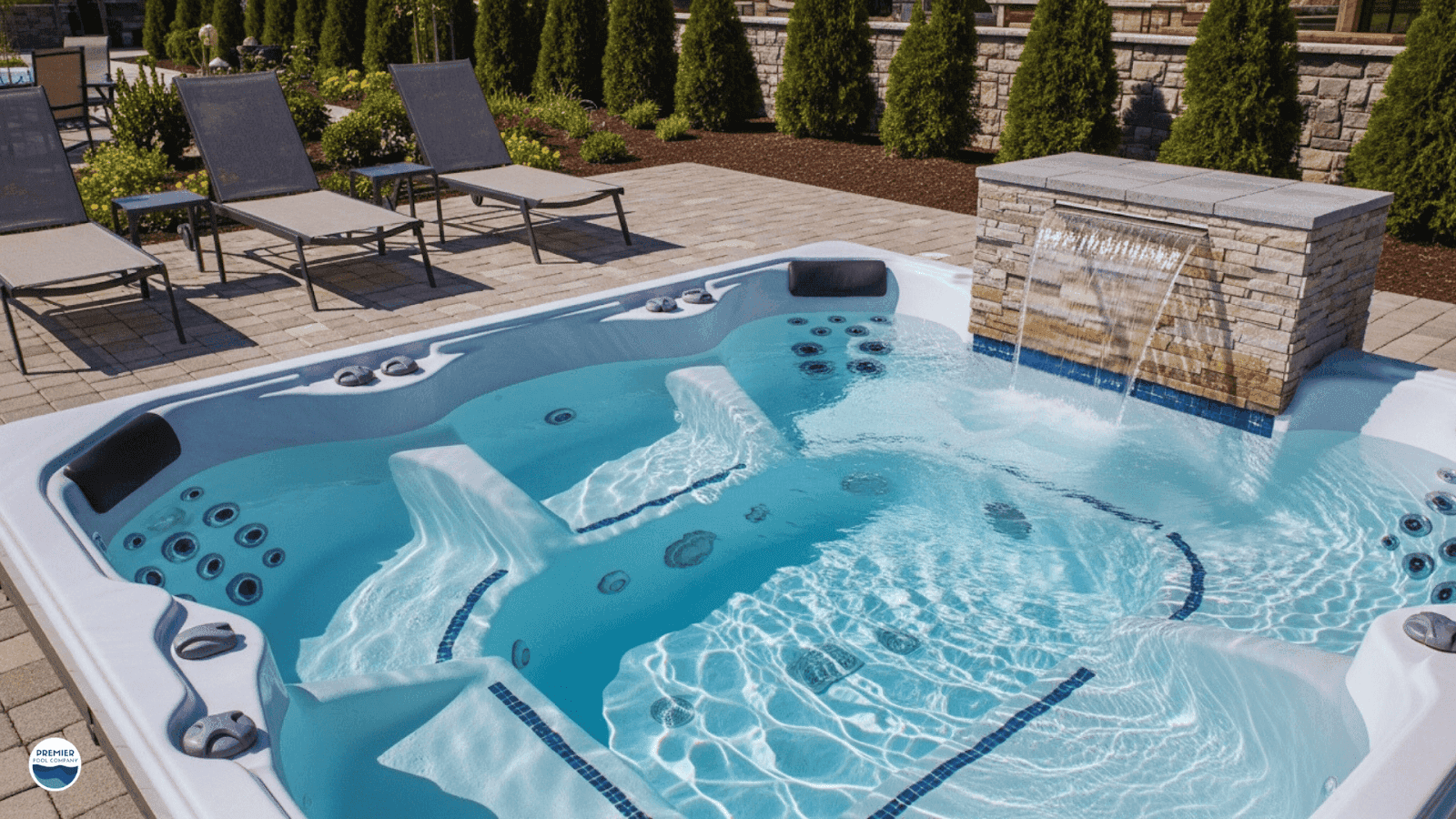
Over the years, I've learned that no two Jacuzzi projects cost the same. A lot of homeowners come to us thinking cost is mainly about size, but it's really a combination of several variables.
Here are the core factors that drive pricing:
Size and Seating Capacity - A 4-person spa is considerably cheaper to build than an 8-person custom spa. Larger spas require more excavation, more shell material, more plumbing lines, and a bigger pump and heater system.
Build Type (Prefab vs. Custom) - A prefabricated fiberglass or acrylic shell is quicker and cheaper. A custom gunite spa takes longer but gives you full design freedom.
Features and Accessories - Jets, lighting, waterfalls, chromotherapy, sound systems, and smart app controls can add anywhere from $500 to $10,000+ depending on what you choose.
Yard Conditions - Rocky or clay-heavy soil (common in parts of Ohio) requires more excavation effort. Limited access to your yard can also raise equipment fees.
Electrical and Plumbing Requirements - Inground spas need a dedicated 240V electrical circuit. If your panel needs an upgrade, that's an additional cost.
Local Permits and Inspections - Most municipalities require a permit for inground spa construction. In Ohio, these fees typically range from $150 to $800 depending on the township.
Standalone vs. Pool-Integrated Spa - Building a Jacuzzi as part of a new pool project is almost always more cost-effective than adding it later, since excavation and plumbing are shared.
Understanding these variables upfront helps you have a more productive conversation with your pool builder and avoids the sticker shock that catches so many homeowners off guard.
Average Price Range for Inground Jacuzzis
Let me give you real numbers. The original price figures you often see online, $10,000 to $15,000 for a basic inground Jacuzzi. Tend to represent the unit cost only, before excavation, electrical, plumbing, and permits are factored in.
Based on 2026 market data, here's what you should realistically budget:
Tier | Type | Estimated Cost (Installed) |
Entry-Level | Prefabricated fiberglass or acrylic spa | $6,000 - $17,000 |
Mid-Range | Prefab with upgraded features | $15,000 - $22,000 |
Custom/Luxury | Gunite or concrete, fully custom | $22,000 - $35,000+ |
Pool + Spa Combo | Built together during pool excavation | $44,000 - $90,000+ |
Entry-Level ($6,000 - $17,000 installed): Prefabricated fiberglass or acrylic spa, factory-made shell, quicker installation. Good for homeowners who want the inground spa experience without full customization.
Mid-Range ($15,000 - $22,000 installed): Prefab unit with upgraded jets, mood lighting, and built-in sound. A balanced mix of comfort and cost, ideal for families who will use the spa regularly.
Custom/Luxury ($22,000 - $35,000+ installed): Gunite or concrete, fully custom shape and finish, integrated with pool or landscaping. Best for homeowners investing in a long-term backyard feature.
Pool + Spa Combo ($44,000 - $90,000+ total): Built together during pool excavation. The most cost-effective way to get both, since labor and site prep is shared.
One important note from my experience: if you're building a spa alongside a new pool, the integrated spa typically adds just $6,000 to $15,000 on top of pool costs, significantly less than building it as a standalone project later.
Installation Costs: What to Expect
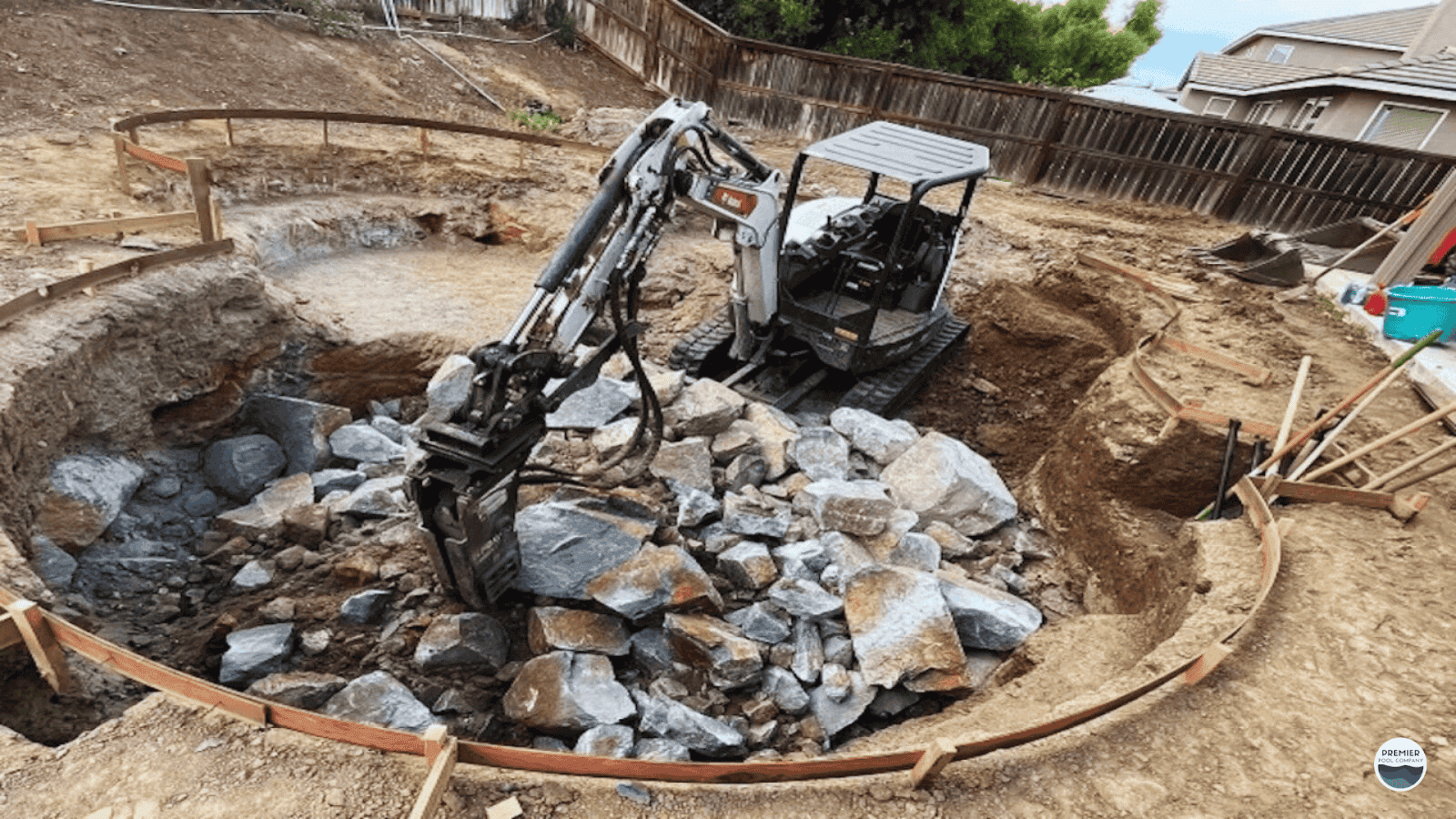
Installation is where a lot of homeowners get caught off guard. The Jacuzzi unit itself is only part of the picture.
Here's a breakdown of what the installation process actually involves and what you should budget for:
Excavation Standard soil: $1,500 to $2,500. Rocky or clay soil (common in Ohio): $2,500 to $4,000+. This is typically the biggest single installation cost, and it varies significantly based on your yard conditions.
Electrical Work - Your spa needs a dedicated 240V, 50-60 amp GFCI-protected circuit installed by a licensed electrician. Cost: $800 to $3,000 depending on distance from your panel.
Plumbing - Connecting water supply, return lines, and drainage: $700 to $2,500.
Backfill, Decking, and Integration - After the spa shell is set, the surrounding area needs to be finished. Concrete decking, tile, coping, or natural stone varies widely based on size and material selection.
Permits and Inspections - In Ohio, unpermitted pool or spa work can become a serious liability when you sell your home. Budget $150 to $800 for permit fees.
One tip I always give to our clients: if you're even thinking about adding a spa down the line, tell us during your initial pool consultation. Building the spa rough-in during pool excavation saves you thousands.
Additional Expenses: Maintenance and Accessories
Owning an inground Jacuzzi is a long-term commitment, and I want you going in with full transparency about what it costs to operate.
Based on current rates, here's a realistic annual operating budget:
Expense Category | Monthly Estimate | Annual Estimate |
Electricity (heating & pumps) | $50 - $100 | $600 - $1,200 |
Water treatment chemicals | $30 - $50 | $360 - $600 |
Professional servicing + filter replacement | - | $200 - $450 |
Water chemistry is non-negotiable. You need to test your spa water 2-3 times per week and maintain: pH between 7.2 and 7.8, total alkalinity between 80 and 120 ppm, and sanitizer (chlorine or bromine) between 1 and 3 ppm. Letting water chemistry slip leads to equipment damage, skin irritation, and costly repairs. The upfront investment in a quality test kit and consistent chemical routine pays for itself many times over.
Accessories Worth Budgeting For: Insulated cover ($300 to $500) - Essential for Ohio winters, reducing heat loss and cutting heating costs by up to 50-70%. Steps and handrails ($200 to $600). Water features like spillover jets ($500 to $3,000). Smart control system for remote temperature and jet management ($500 to $2,000). The cover alone is the single best investment for any Ohio spa owner, don't skip it.
Comparing Build Materials: Fiberglass vs. Gunite vs. Acrylic
The material your spa is built from affects both the upfront price and your long-term ownership experience. This is one of the most important decisions you'll make, and I always walk clients through these options carefully before committing to anything.
Material | Upfront Cost | Customization | Maintenance |
Fiberglass (prefab) | $$ | Low | Low (non-porous surface) |
Acrylic shell (prefab) | $$ | Low - Medium | Low - Medium |
Gunite/Concrete (custom) | $$$-$$$$ | Very High | Higher (porous, needs more chemicals) |
Fiberglass spas are my go-to recommendation for most Ohio homeowners who want a hassle-free, low-maintenance experience. The surface is non-porous, which means fewer chemicals and less scrubbing. Gunite is the right choice if you want total design freedom, custom shapes, integrated waterfalls, matching tile work, or a spa that wraps seamlessly around an existing pool. Acrylic shells fall in between: more style options than fiberglass, but require more upkeep than gunite.
Financing Options for Your Inground Jacuzzi
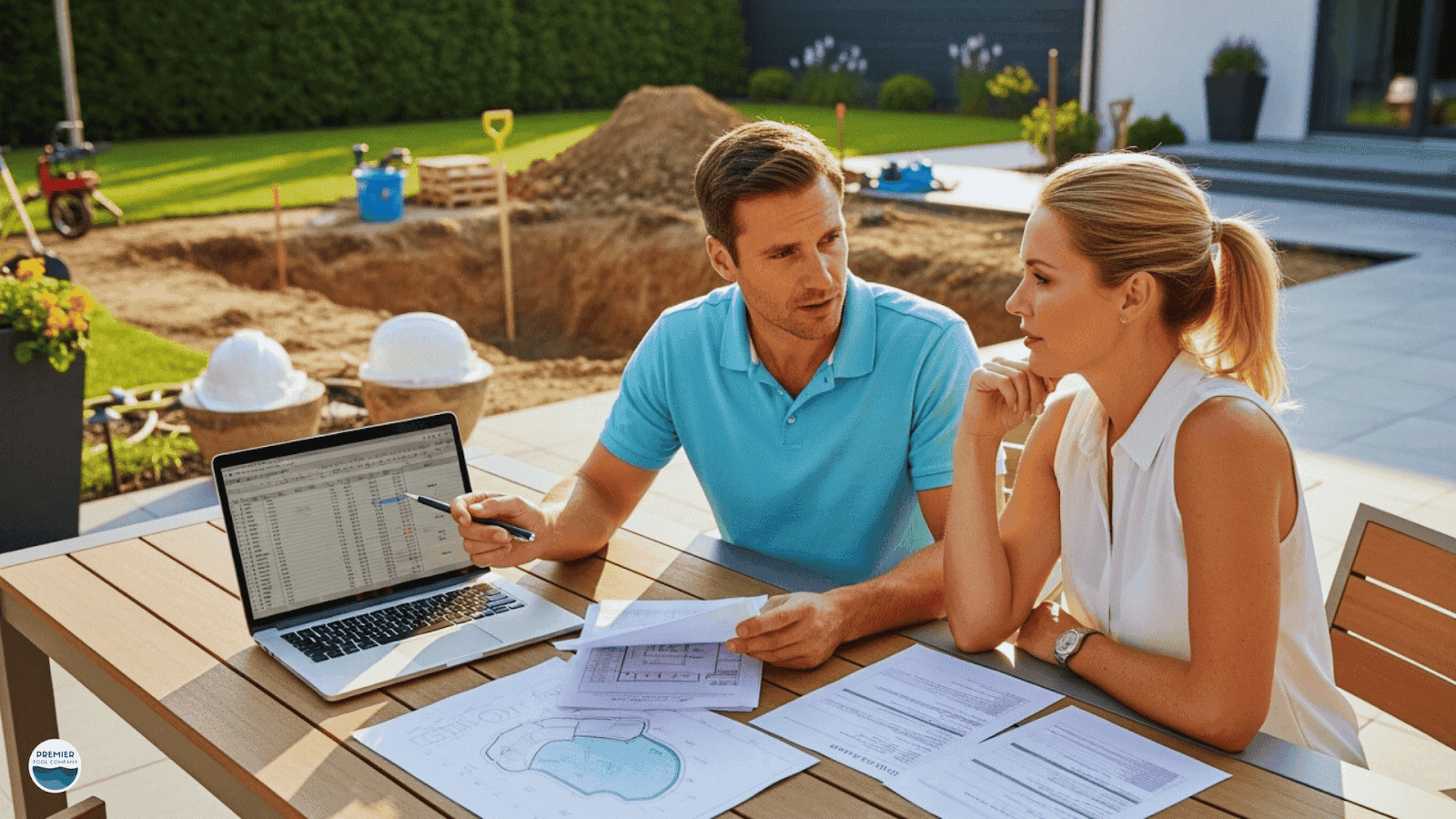
A common concern I hear is: "I love the idea, but I can't pay for it all upfront." That's completely valid, and there are several smart ways to finance a spa project. Here's a quick overview:
Home Equity Loan or HELOC - Often the most affordable interest rate since it's secured by your home. A HELOC gives you flexible access to funds as you need them during construction.
Personal Loan - No collateral needed, faster approval, but typically higher interest rates than home equity products. Good for smaller spa projects.
Pool/Spa Financing Through the Contractor - Many builders work with lending partners that offer competitive promotional rates. Ask us about current financing offers when you book your consultation.
0% Intro APR Credit Card - Only viable for smaller projects or accessories if you can pay it off within the promotional period.
The most important thing: don't stretch your budget so thin that the monthly maintenance cost of $100-$150/month becomes a burden. The Jacuzzi should add to your life, not stress it. If you're ready to explore options, book a free consultation and we'll walk you through realistic numbers for your specific project.
DIY vs. Professional Installation: Pros and Cons
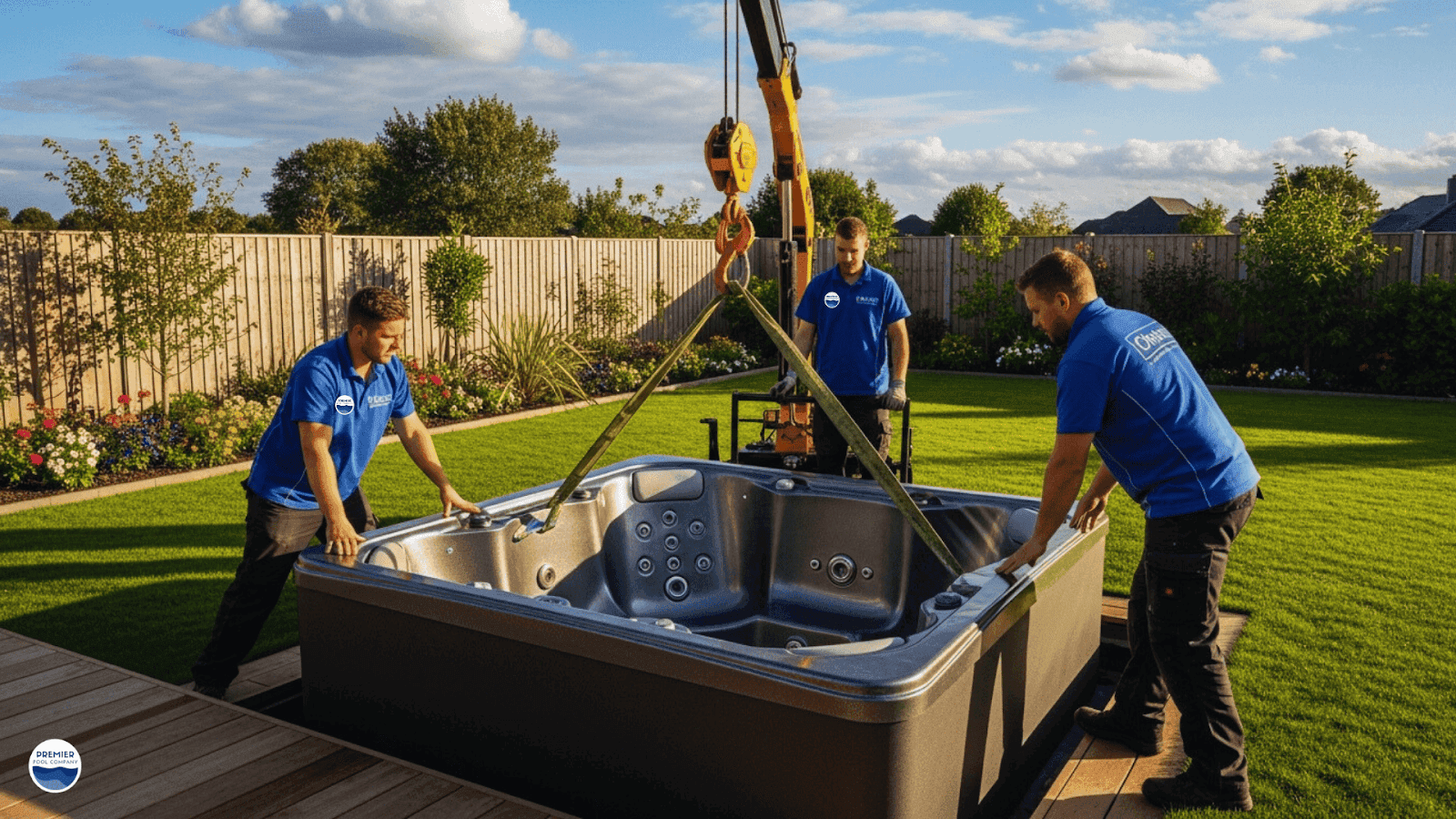
I'll be direct with you: inground Jacuzzi installation is not a DIY project for the vast majority of homeowners. I've seen people try to cut corners on this, and it almost always costs more to fix than if they'd hired a professional from day one.
Here's why:
Excavation requires heavy equipment and knowledge of underground utilities.
Electrical work for a 240V spa circuit must be done by a licensed electrician in Ohio.
Plumbing connections require proper slope, pressure ratings, and code compliance.
Structural backfill around a prefab shell must be done correctly or the shell can crack and void the manufacturer warranty.
Some prep work like clearing the area or handling landscaping can be done yourself to save money. But the core installation should always be left to professionals who are licensed, insured, and familiar with local Ohio building codes.
At Premier Pool Co., every build is done by licensed, insured professionals with specific experience in Central Ohio soil and climate conditions. If you're comparing quotes from other contractors, make sure they can say the same. A cheap quote that leads to an improperly installed spa will cost you far more in the long run.
Tips for Choosing the Right Inground Jacuzzi for Your Budget
Ohio's climate creates unique considerations that out-of-state guides often miss. Over the years, I've developed a checklist of things that every Ohio homeowner should think through before buying an inground Jacuzzi:
Insulation matters more in Ohio - make sure your spa has full-foam insulation to reduce heating costs from November through March.
Your spa needs an automatic freeze protection mode that kicks in when temperatures drop near 32°F.
Many Central Ohio townships and HOAs have setback requirements for in-ground water features always checked before you build.
Position your spa to get southern sun exposure for natural warming - and enough privacy for year-round use.
Budget for permit fees early; they're easy to overlook but required in Ohio.
For more on planning a well-thought-out backyard build in Ohio, this guide will help: Build Your Dream Pool: A Step-by-Step Pool Construction Guide. A good pool/spa builder should be willing to walk you through every consideration before you commit to anything.
Final Thoughts: Making an Informed Purchase Decision
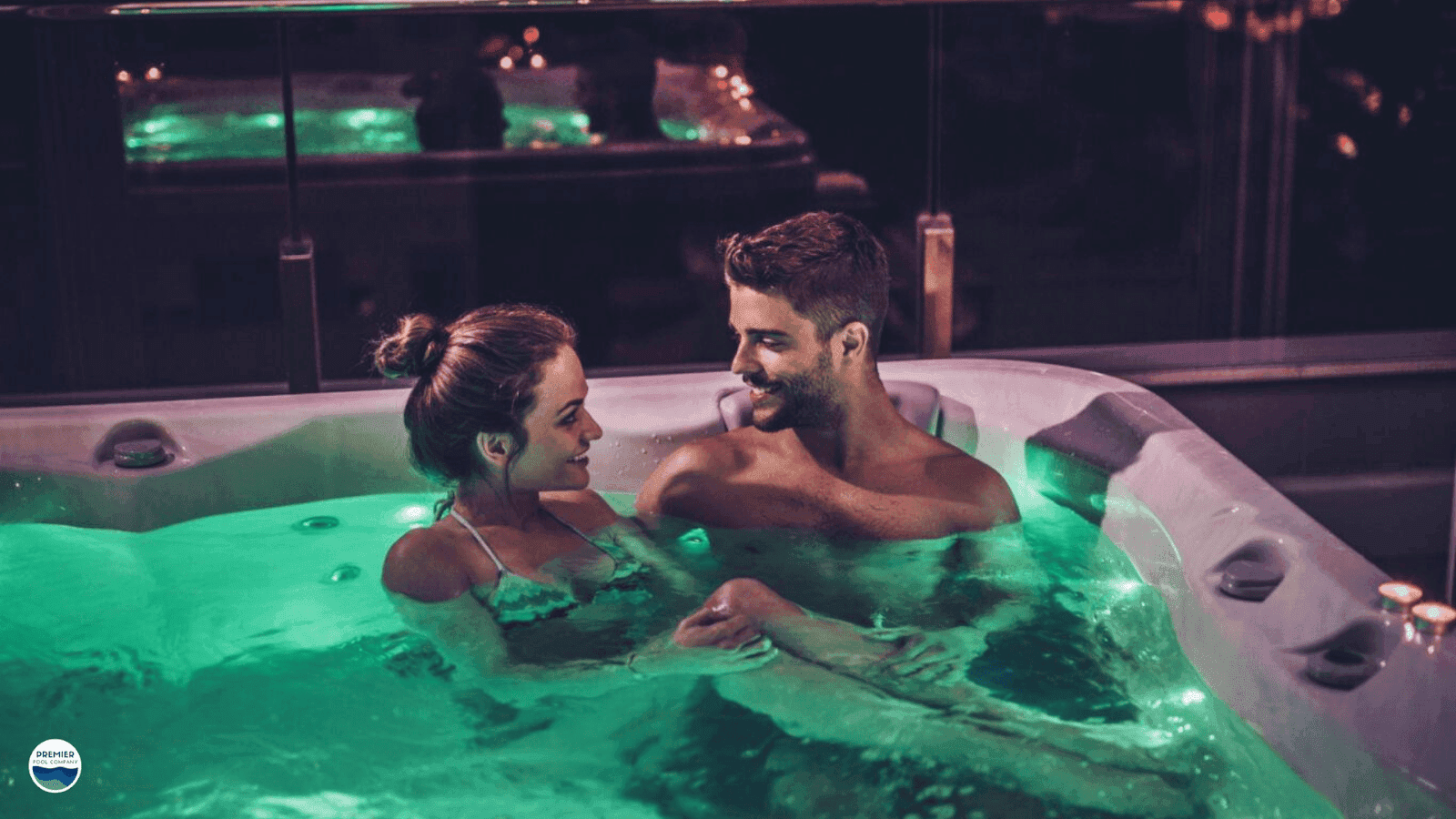
An inground Jacuzzi is one of those investments where the upfront cost can feel intimidating but when you factor in daily use, therapeutic benefits, and the boost to your home's appeal, it tends to pay for itself in enjoyment for the right homeowner.
From what I've seen over the years, the people who are happiest with their spa investment are the ones who went in with realistic expectations, budgeted for the full installed cost, not just the unit price. Choose a build type that matched their actual lifestyle and how they planned to use it.
If you're in Central Ohio and seriously thinking about adding an inground Jacuzzi or a pool-spa combo, I'd love to talk through your specific yard, budget, and goals.
Book a free consultation with Premier Pool Co. and we'll give you an honest assessment, no pressure, no fluff. Just real answers from a builder who does this work every day.
FAQs: Inground Jacuzzi Costs
How much does it cost to add a Jacuzzi to an existing inground pool?
Adding a standalone spa to an existing pool typically costs $8,000 to $25,000 depending on size, materials, and excavation conditions. If you had the foresight to put in a plumbing rough-in during pool construction, it could cost significantly less. This is one of the biggest reasons I always recommend discussing spa plans during the initial pool consultation, even if you're not ready to build one yet.
Is an inground Jacuzzi worth the investment?
For frequent users, especially those dealing with muscle soreness, stress, joint pain, or who want a year-round entertainment feature - yes, absolutely. Inground spas also add measurable resale appeal to a home. That said, if you'll use it fewer than twice a week on average, the ongoing energy and maintenance costs may not justify the initial investment.
How long does it take to install an inground Jacuzzi?
A prefabricated inground spa can typically be installed in 1-3 weeks once excavation is done. A custom gunite spa takes 4-8 weeks from excavation to final finish. When built as part of a new pool project, the spa is constructed simultaneously and doesn't add significant time to the overall project timeline.
What is the difference between a hot tub and an inground Jacuzzi?
"Jacuzzi" is a brand name, but it's commonly used to describe any inground spa. The key difference is installation: a hot tub is portable and self-contained, while an inground Jacuzzi is built into the ground as a permanent structure. Inground spas cost more upfront but look far better, integrate seamlessly with pool designs, and add more long-term property value than a portable hot tub.
More Blogs

Aaron Lehner
Pool Water Testing in Ohio: A Beginner's Guide to Getting It Right
Pool water testing in Ohio was simple. Learn how to test chlorine, pH, alkalinity, and calcium hardness to keep your pool clear, balanced, and swim-ready.

Aaron Lehner
Paver Patio vs Concrete Pool Decks (Based on Ohio Climate)
Compare paver patio vs concrete pool decks in Ohio. Learn how pavers vs concrete patio options handle freeze-thaw cycles, drainage, heat, and maintenance.

Aaron Lehner
7 Best Pool Features To Add To Your Backyard In 2026
Discover the best pool features, custom pool features and swimming pool features for 2026, plus practical pool feature ideas that keep your Ohio backyard stunning and durable.