

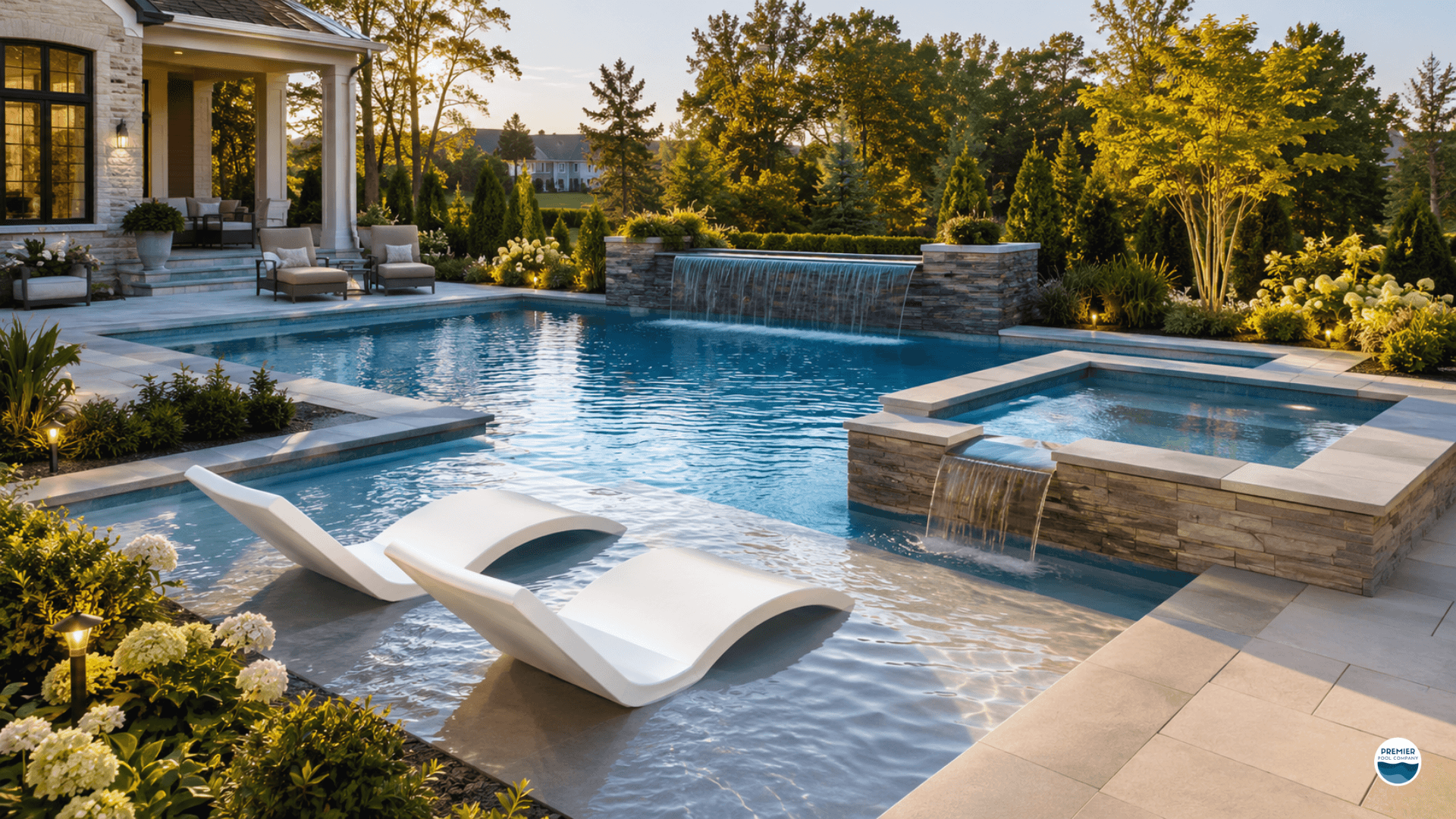
7 Best Pool Features To Add To Your Backyard In 2026
A homeowner's guide to planning a pool that actually holds up through an Ohio winter.
If you're building a pool in Central Ohio, you're not dealing with the same math as someone in Florida or Georgia. The water has to survive a real winter, your unheated swim season is only about fourteen weeks long, and a handful of the flashiest add-ons out there just aren't worth the money once you factor in freeze-thaw cycles and a shorter season. What actually pays off is a smaller list, chosen well.
Well, I’ve been helping people build and upgrade pools in Ohio for several years, and today I decided to share my experience on some of the pool features that you could go for without any worries and have a fantastic pool upgrade you can be proud of.
Here are the seven custom pool features I'd put money into for a 2026 backyard build; the ones that get used constantly, stretch the season, and hold up through an Ohio winter instead of turning into a repair job by year three.
TL;DR , Swimming Pool Features You Should Consider, Living In Ohio
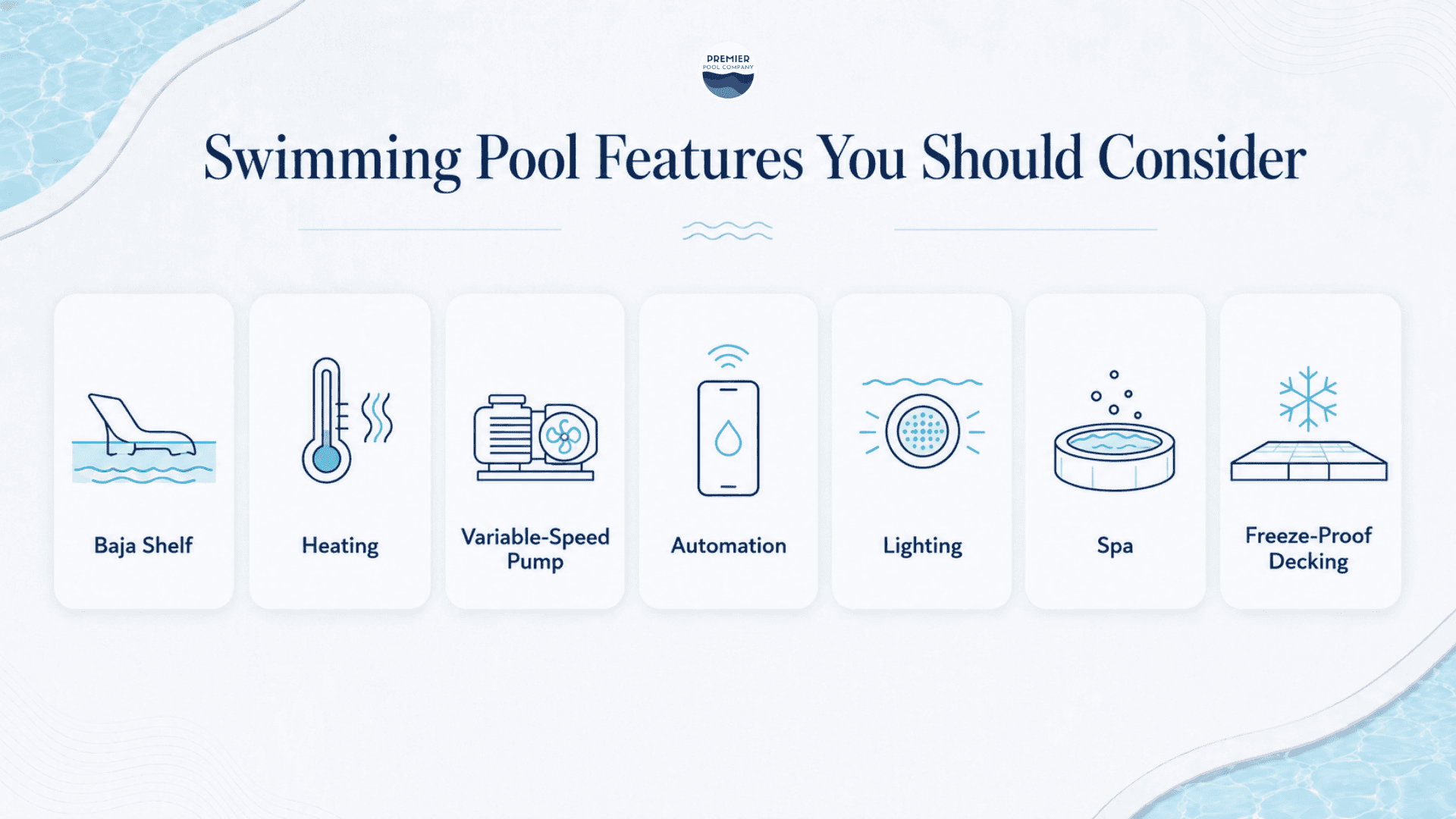
A tanning ledge (Baja shelf) is still the feature families use the most; just make sure it's sized right for a typical Ohio-lot pool instead of copied from a warm-climate design.
Heating is the single biggest lever on how many days a year you actually get to swim. A heat pump (with gas as backup) can add six-plus weeks on each end of your season.
A variable-speed pump and smart automation quietly save real money on your electric bill and often qualify for a utility rebate nobody tells you about.
Water features and LED lighting are what turn a pool into an evening hangout spot , just think about your neighbors before going big.
A spa is the one add-on that keeps your backyard usable all twelve months, not just the five or six the pool itself is open.
The most overlooked feature of all is freeze-thaw-friendly decking and coping. If you skip it, you’ll end up calling a contractor about cracked concrete in three to five years.
For professional help, you may consider contacting pool experts with a proven track record (
such as The Premiere Pool Co). Discussing and getting a quotation won’t cost you anything.
You Must Keep In Mind That You Are In Ohio Before All Else
People in Coastal and Sun Belt areas can enjoy their pools for eight or nine months without giving it much thought.
But if you live in Central Ohio, an unheated pool is usually comfortable only from around Memorial Day to early September. Before June or after Labor Day, the water becomes so cold that most people think twice before jumping in.
That changes which features are actually worth your money. Speaking from experience, heating and automation should be way up the priority list, while purely decorative extras aren’t as much.
Then there's winter. Ohio doesn't freeze once and stays frozen,it goes through repeated freeze-thaw cycles all season. Water works its way into tiny cracks and gaps, freezes, expands, then melts and does it all over again. Each cycle puts a little more stress on stone, concrete, tile, and joints until small issues become visible damage. That's why the question isn't just whether a feature looks great on installation day. It's whether it'll still look great after years of Ohio winters.
So let's look at seven swimming pool features that I personally think are worth the money and, in my experience, are among the best pool features you can add to an Ohio backyard.
1. Tanning Ledge (Baja Shelf) - The Feature Your Whole Family Will Actually Use
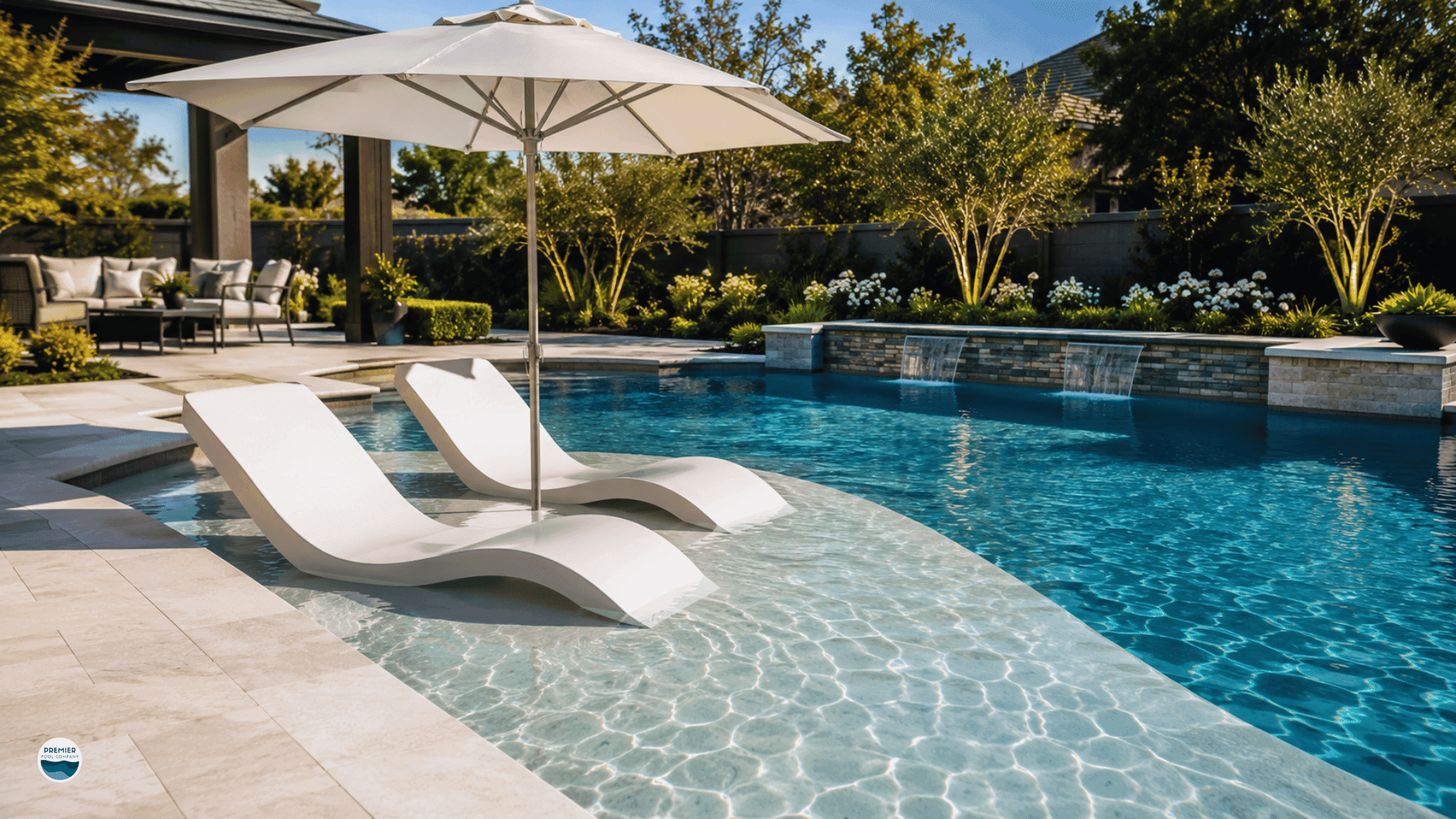
If there's one feature worth building into almost every family pool, it's the tanning ledge, also called a Baja shelf or sun shelf.
Picture a wide, shallow shelf built right into the shallow end, usually six to twelve inches of water, just deep enough for a lounge chair or a toddler splashing around, shallow enough that it's not really "swimming" water.
Besides the awesome experience it delivers, such as letting you relax and have a drink while enjoying the pool water, what makes it worth the money is that it becomes the spot everyone naturally ends up at. Grandparents, non-swimmers, little kids, the friend who just wants to dangle their feet. It ends up being the busiest six inches of water in your whole backyard.
In fact, tanning ledges are the favorite spot for families with kids because moms can relax and enjoy the pool along with the kids in the shallow water with little to no risks at all.
However, before you fall in love with a tanning ledge, there's something you need to know. A tanning ledge doesn't just add a place to relax; it changes the layout of your entire pool.
Every foot you dedicate to the ledge comes out of the swimming area. Unless you make the pool longer, the shallow end gets shorter, which usually means the slope into the deep end becomes steeper.
That's especially important in Central Ohio. Most suburban backyards have limited space, and local setbacks often mean pools end up around 32 to 38 feet long.
On a larger pool, like the 18×40 designs you often see in warmer states, a spacious tanning ledge isn't much of a compromise. On a typical backyard in Westerville, Grove City, or Dublin, though, the same ledge can make the pool feel noticeably smaller or leave you with a steeper transition than you'd expected.
The fix is simple: before you fall in love with a shelf design, ask your builder to show you the full pool profile (not just the shelf) and walk through exactly where and how sharply it drops to the deep end. Getting that right at the design table is a lot easier than living with an awkward slope for the next fifteen years.
2. Heating - The Feature That Buys You the Most Swim Days
Heating is one of the smartest swimming pool features you can invest in if you live in Ohio. But how do you choose the right one? Simple. Just take an expert’s advice (such as from me).
You will usually find two options for heating systems: Heat Pump or Gas.
Heat Pump or Gas? Here's the Real Difference
Nothing else on this list has as much impact on how much you actually use your pool, especially in a state where the unheated season barely stretches past three months.
A heat pump pulls warmth from the air and moves it into your water. It's efficient and gentle on your energy bill, but it slows down once the outside air dips into the 45–50°F range.
Translation: it's a workhorse from April through October but won't do much for you on a chilly January afternoon.
A gas heater, on the other hand, cranks the temperature up fast no matter how cold it is outside, which makes it the better pick for keeping a spa hot or pushing through a surprise cold snap, though it costs more to run hour for hour.
The combo that tends to make the most sense for Ohio backyards is a heat pump doing the everyday work of spring-through-fall heating, with gas available as a backup for the occasional cold snap it can't quite handle on its own.
It's an upfront investment, sure, but it's the difference between a pool you're comfortably swimming in by early May versus one that only really feels good for eight or nine weeks in the dead of summer.
How Many Extra Swimming Weeks Are We Talking?
A well-heated pool with a decent cover can realistically stretch your swim season by six to eight weeks on each end of the usual Memorial Day-to-Labor Day window. That's a meaningful chunk of extra pool time, especially with kids counting down the days until it opens.
You would also appreciate a cover since Ohio's daily temperature swing in April and October can easily hit 25 to 30 degrees, and holding onto overnight heat makes a real difference the next day.
3. Variable-Speed Pump - The Upgrade That Lowers Your Utility Bills
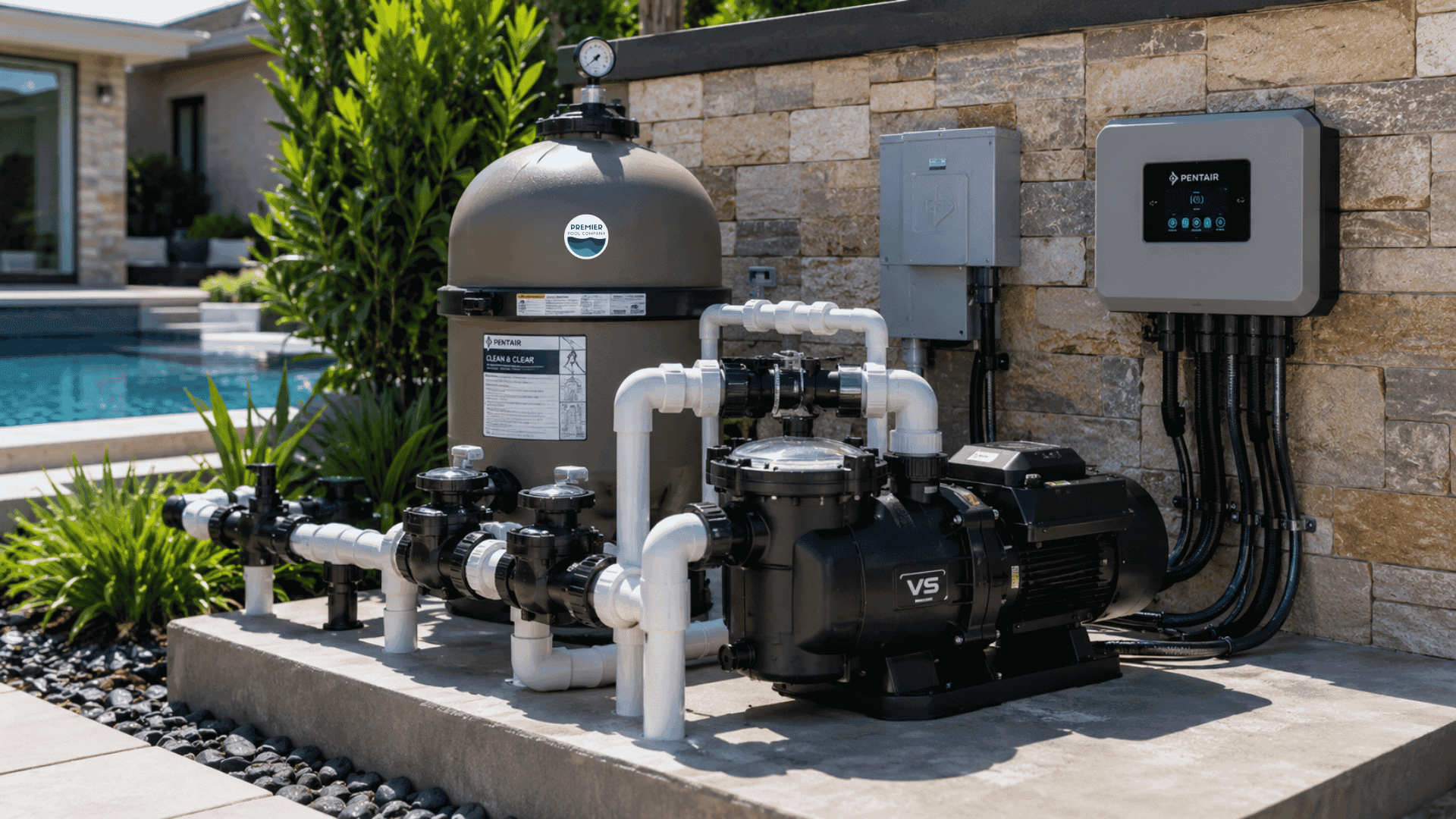
A variable-speed pump isn't the most exciting thing you'll add to your pool, but it's one of the smartest.
Single-speed pumps usually run on full power all day. A variable-speed pump slows down for everyday filtration and only speeds up when more power is needed. That means it uses significantly less electricity while doing the same job.
The savings are especially noticeable in Ohio, where your pump runs well beyond swimming season. Between daily filtration and winter freeze protection, those lower operating costs add up month after month.
What to ask your builder: Don't just ask if they include a variable-speed pump. Ask for an estimate of your annual electricity costs with a single-speed pump versus a variable-speed model based on your pool's size and equipment.
4. Smart Pool Automation - Convenience You'll Actually Use
Smart automation is another upgrade that's easy to dismiss until you have it.
Being able to control your pump, heater, lights, and water features from your phone is certainly convenient, but it's especially useful during Ohio's unpredictable spring and fall weather. You can start heating the pool before you leave work so it's ready when you get home, or quickly adjust your equipment if an unexpected cold front moves in overnight.
Living in 2026, it’s really a no-brainer to go far if you are a regular user of smartphones and AI assistants.
What to ask your builder: Check whether the automation system can control all of your equipment, including the heater, lights, water features, and spa, from a single app. It's also worth asking if your local utility offers rebates on smart pool controllers, as some Ohio utilities do.
5. LED and Landscape Lighting , Making Your Pool Feel Special Every Evening
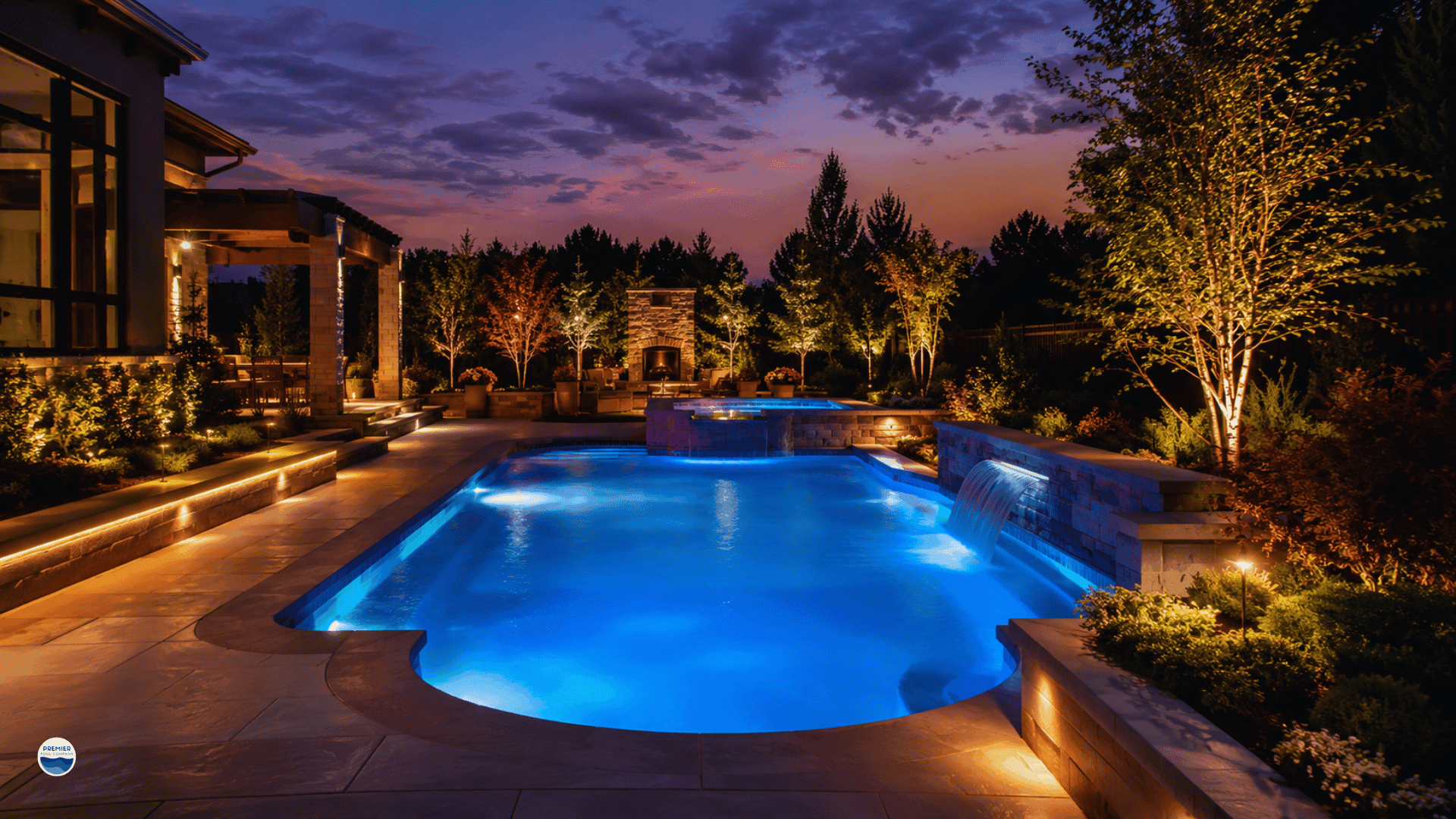
Lighting is one of the first things homeowners cut to save money. It's also one of the pool feature ideas they most often wish they'd included.
In Central Ohio, you'll likely use your pool more in the evenings than you expect. Summer afternoons can be uncomfortably hot, and by late summer and early fall, the sun starts setting much earlier. Good lighting lets you keep enjoying your backyard long after daylight fades.
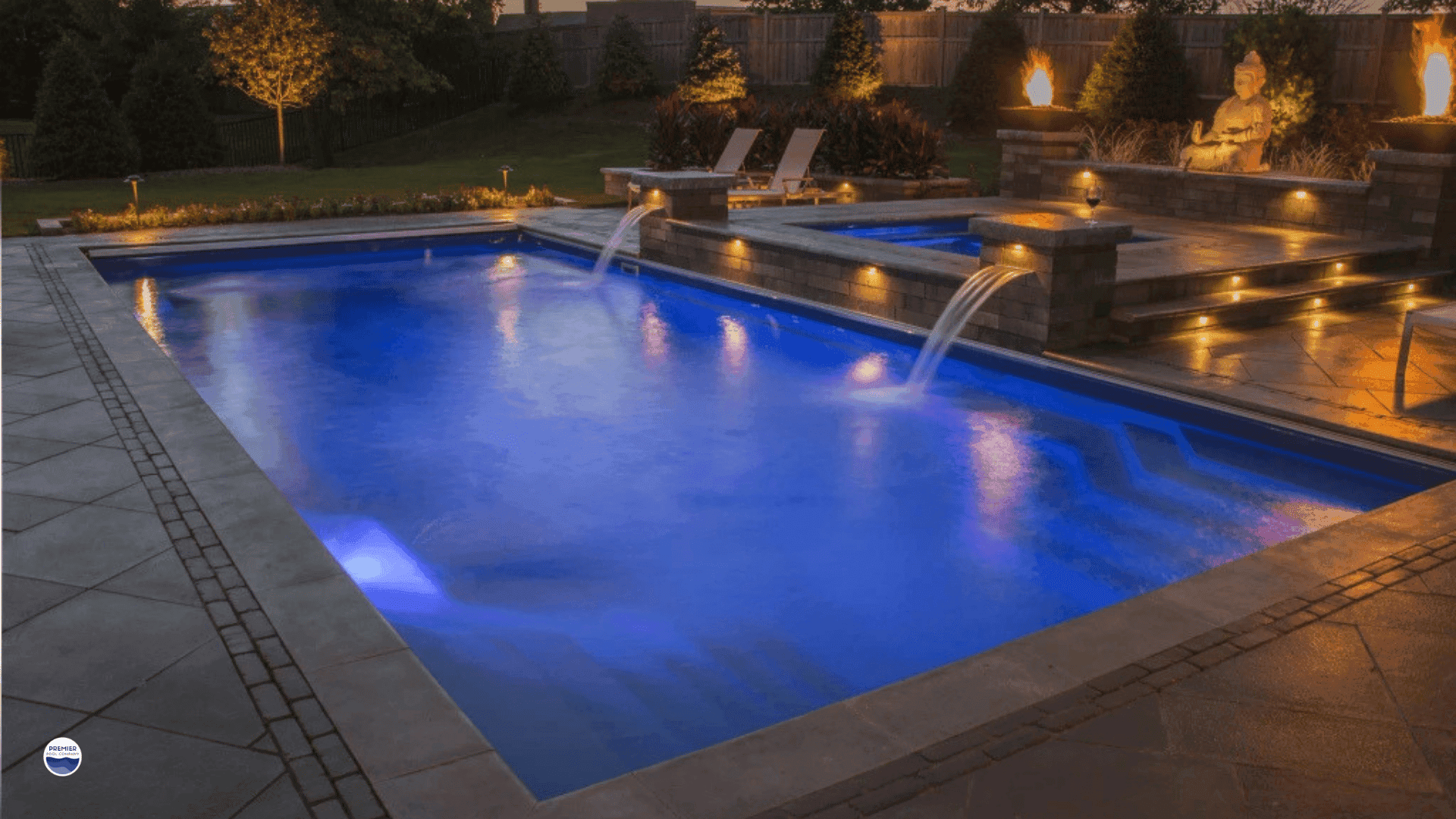
Most new pools come with LED lights that can change colors, and they're fun for parties or holidays. But the lighting that makes the pool look amazing is the lighting around it.
Well-placed path lights, step lights, and landscape lighting make it easier to move around safely after dark while giving the entire backyard a warm, finished look. Without them, even a beautiful pool can disappear into the darkness once the sun goes down.
If you're deciding where to spend your budget, prioritize quality landscape and pathway lighting before upgrading to elaborate in-pool lighting effects. It improves both safety and the overall feel of your backyard, and you'll notice the difference every evening you use it.
I strongly suggest against doing it yourself. Uneven DIY lighting is one of the fastest ways to make an otherwise beautiful pool area look unfinished, and on wet decking after dark, it's a real safety issue too. So best contact a professional for help.
6. An Attached or Standalone Spa , Enjoy Your Backyard Year-Round
A pool is a summer feature. A spa doesn't have to be.
Once winter arrives in Ohio, your pool is typically closed for the season. A spa, on the other hand, can stay open all year, giving you a warm place to relax even when it's freezing outside.
If you're considering one, you'll usually have two options.
An attached spa is built into the pool and shares the same plumbing and equipment. It creates a seamless look and often includes a spillover that flows into the pool when it's running.
A standalone spa is separate from the pool and has its own equipment. Because it's heating a much smaller amount of water, it warms up faster and can be used year-round without relying on your pool system.
Like most custom pool features, the right choice comes down to how you see yourself using your backyard.
If you're mainly looking for a place to unwind after swimming, an attached spa may be all you need. But if you like the idea of soaking under the stars on a cold January evening or hosting friends outside during the winter, a standalone spa is worth considering.
Getting a spa set up extends the life of your backyard well beyond pool season, turning it into a space you can enjoy in every season.
7. Freeze-Thaw-Friendly Decking &Coping , Protecting Your Investment
This is one of those pool features that isn't the most exciting part of building a pool, but it may be the most important if you live in Ohio.
Your decking and coping have to survive years of freezing temperatures, melting snow, and repeated freeze-thaw cycles. If the wrong materials are used (or they're installed incorrectly), water can seep into small cracks. When that water freezes, it expands, slowly causing cracks, chips, and surface damage that become more noticeable every winter.
That's why choosing the right materials matters.
Look for air-entrained concrete designed for freeze-thaw conditions, high-quality pavers installed on a properly compacted base, and natural stone coping installed with materials rated for cold climates. These aren't luxury upgrades,they're simply the right materials for Ohio weather.
Just as important is choosing a builder who understands local conditions.
The best option would be to contact a local team (like The Premier Pool Co) who have built pools in Central Ohio for years. They will know better what materials hold up after years of real Ohio winters. Given their experience, they will know which products and installation methods last, and which ones often lead to repairs a few years down the road. Those details may never appear in a brochure, but they're often what separates a pool that still looks great a decade later from one that's already showing signs of wear.
What Pool Owners Actually Say About These Upgrades
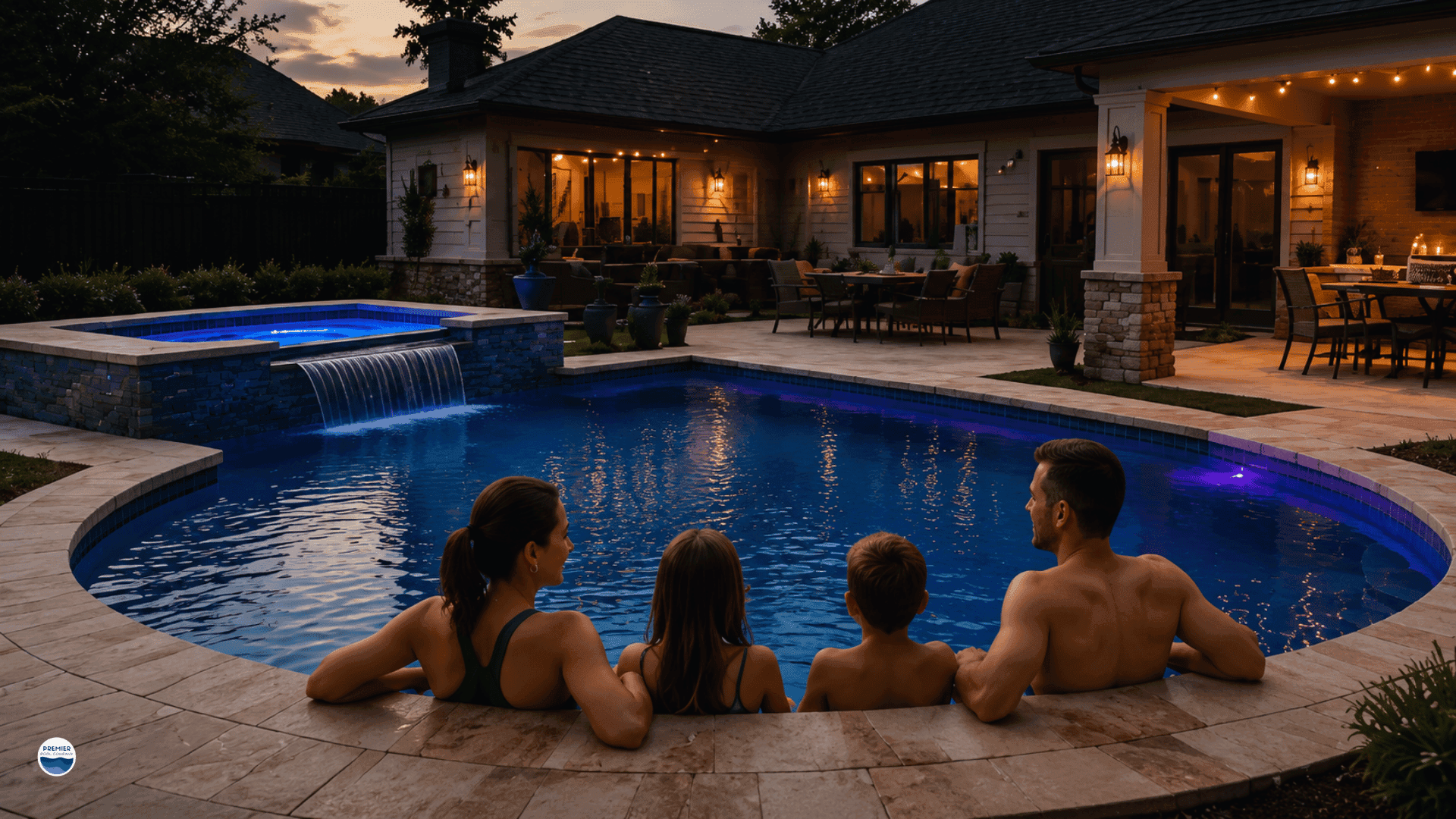
Here's what a few of these features look like once real people have lived with them for a season or two (pulled from Trouble Free Pool, a long-running forum where pool owners troubleshoot and compare notes with each other).
No names, just what they reported, with a link to each thread if you want to read the full conversation.
The Tanning Ledge: A Grandmother's Honest Verdict
In a thread where owners were weighing in on tanning ledge regrets, one longtime owner gave about as honest an answer as you'll find: her robot cleaner can't reach the ledge, so there are days she wishes she'd skipped it.
But her two-year-old grandson treats it like his own personal kiddie pool whenever he visits, and in the same thread she mentioned it became the natural spot for the adults to gather and cool off during a family pool party.
That's a fair trade to know about going in; a small maintenance annoyance in exchange for the busiest, most social six inches of water in the yard. (You may read about it here.)
Heating: The $1,200 Season That Changed the Plan
On a thread comparing gas heaters to heat pumps, one owner shared the real cost of finding out the hard way: they installed a large Pentair heat pump and spent about $1,200 running it through their first season.
They also bought a thick solar cover to cut overnight heat loss, which genuinely helped, but it turned out to be too heavy for their spouse and two kids to wrangle on and off together, so it became more of a chore than a solution.
After a couple of seasons, they stopped actively heating altogether and just let the weather set the temperature, since May and September swims were rare anyway. It's a good reminder that a cover isn't an optional add-on to a heating plan; it's part of it, and that plenty of owners land somewhere between "fully heated" and "not heated at all" once they've seen the real cost and effort. (You may read about it here.)
LED Lighting: Not Convinced Until the First Party
One owner opened a thread about Colorlogic LED lights where they admitted they weren't sure the upgrade was worth it, even after buying it.
They got it set up because they found the lights secondhand for a good price and got a partial credit from their builder for the old fixtures, bringing the real cost down to a few hundred dollars for the pair.
What changed their mind was the first nighttime gathering, when guests, including family members who'd paid considerably more on their own builds, kept commenting on the lights.
They now run them several nights a week, and their only regret is missing a newer, brighter version that came out a couple of months after they bought it. (You may read about it here.)
Which Pool Feature Ideas Should You Actually Prioritize?
Seven great custom pool features rarely fit into one budget, so it helps to figure out what matters most to your family first, then build outward from there.
Here's a quick cheat sheet for matching your top priority to the right starting feature, plus the Ohio-specific scenario to keep in mind for each.
If your priority is… | Start with | Ohio-specific caution | Pairs well with |
|---|---|---|---|
Stretching the swim season | Heat pump heater | Slower recovery below ~50°F ambient | Automation, attached spa |
Family with small kids | Tanning ledge | Reduces overall deep-water footprint | LED lighting, umbrella sleeve |
Lowest long-term operating cost | Variable-speed pump + automation | Check local utility rebate list | LED lighting, heat pump |
Evening/weekend entertaining | LED lighting + water feature | Sound carries in tight Ohio lots | Spa, fire feature |
Deck that survives Ohio winters | Freeze-thaw-rated coping/decking | Skipping this shows up in year 3–5 | Every feature above |
A couple of patterns to look out for:
Heating and automation aren't really "nice to haves" in Ohio the way they might be in a warm-climate build. Think of them as close to essential, because without them you're paying for a full pool and only getting three or four comfortable months out of it.
And freeze-thaw-friendly decking shouldn't really be a choice at all; it should just be part of the spec. If a bid comes in surprisingly low, it's worth asking whether it includes the right concrete mix or paver base depth before you sign anything.
Frequently Asked Questions
1. Does a tanning ledge make the whole pool colder since the water's so shallow?
Not really. But it does heat up and cool down faster than the deeper end because there's less water for the same amount of surface area. On a hot July afternoon, that works in your favor, since the shelf warms up first. On a cool spring morning, it's the first spot to feel chilly. Good to know when you're picking out where to put the lounge chairs, but not something that should change your heating plan.
2. Can a heat pump handle the whole Ohio swim season on its own, or do I need gas too?
If your goal is a comfortable pool from roughly mid-May through late September, a properly sized heat pump on its own usually gets the job done, especially with a cover to hold onto overnight heat. Gas is worth adding if you want reliable warmth stretching into early May or October, or if you want a spa that heats up in an hour instead of several.
3. How much more expensive is freeze-thaw-rated decking than regular concrete?
It's a modest bump, not a dramatic one. Air-entrained concrete with the right joints, or quality pavers on a properly compacted base, typically adds a small percentage to your decking cost. The real expense shows up later if you skip it: a full deck replacement or heavy patching in five to ten years costs a lot more than doing it right the first time.
4. Do I have to winterize a spa the same way as the main pool?
A standalone spa built for year-round use can often run straight through the winter, since it's a smaller amount of water that heats up quickly. An attached spa that shares plumbing with the pool usually does need to be winterized right along with it, unless it was specifically designed with its own separate loop , worth asking your builder about at the design stage, not after the fact.
5. Should I add every feature now, or can some wait for a future remodel?
Anything involving plumbing or wiring , water features, spa loops, automation, is way cheaper to build in from the start than to add later, since retrofitting usually means tearing into a finished deck. Purely cosmetic stuff like lighting color or furniture can absolutely wait. The rule of thumb: if it needs new pipe or wire, get it in the original build even if you're not using it right away.
Final Thoughts
The best pools aren't necessarily the ones with the most pool features. They're the ones that fit the way you actually live.
In Ohio, that means thinking beyond what looks good on installation day. It's about choosing features that make your pool more enjoyable during swimming season and materials that can stand up to years of freeze-thaw cycles.
A tanning ledge, efficient heating, smart automation, thoughtful lighting, a spa, quality decking, and a few well-chosen water features all work together to create the kind of swimming pool features homeowners still enjoy years from now.
If you're looking for pool feature ideas while planning a pool in 2026, don't start by asking about waterfalls or lighting effects. Every contractor will happily show you the fun stuff. But you should actually be looking to get those pool features first that determine whether your pool actually holds up through an Ohio winter, before you go for luxurious upgrades.
That’s why you should consider choosing a pool builder, whether that's The Premier Pool Co or another contractor, with real Ohio experience. It should be a team that can explain why they recommend certain materials, equipment, and construction methods for Ohio's climate when designing custom pool features and recommending exciting swimming pool features.
Feel free to drop a comment or reach out to us at The Premier Pool Co for any advice on these. Asking for a
free quote is more than welcome as well.
More Blogs

Aaron Lehner
Do Fiberglass Pools Crack In Cold Weather As Per Ohio's Climate Changes?
Do fiberglass pools crack in cold weather? Learn what causes a fiberglass pool crack, how Ohio winters affect it, and how to prevent structural damage.
Aaron Lehner
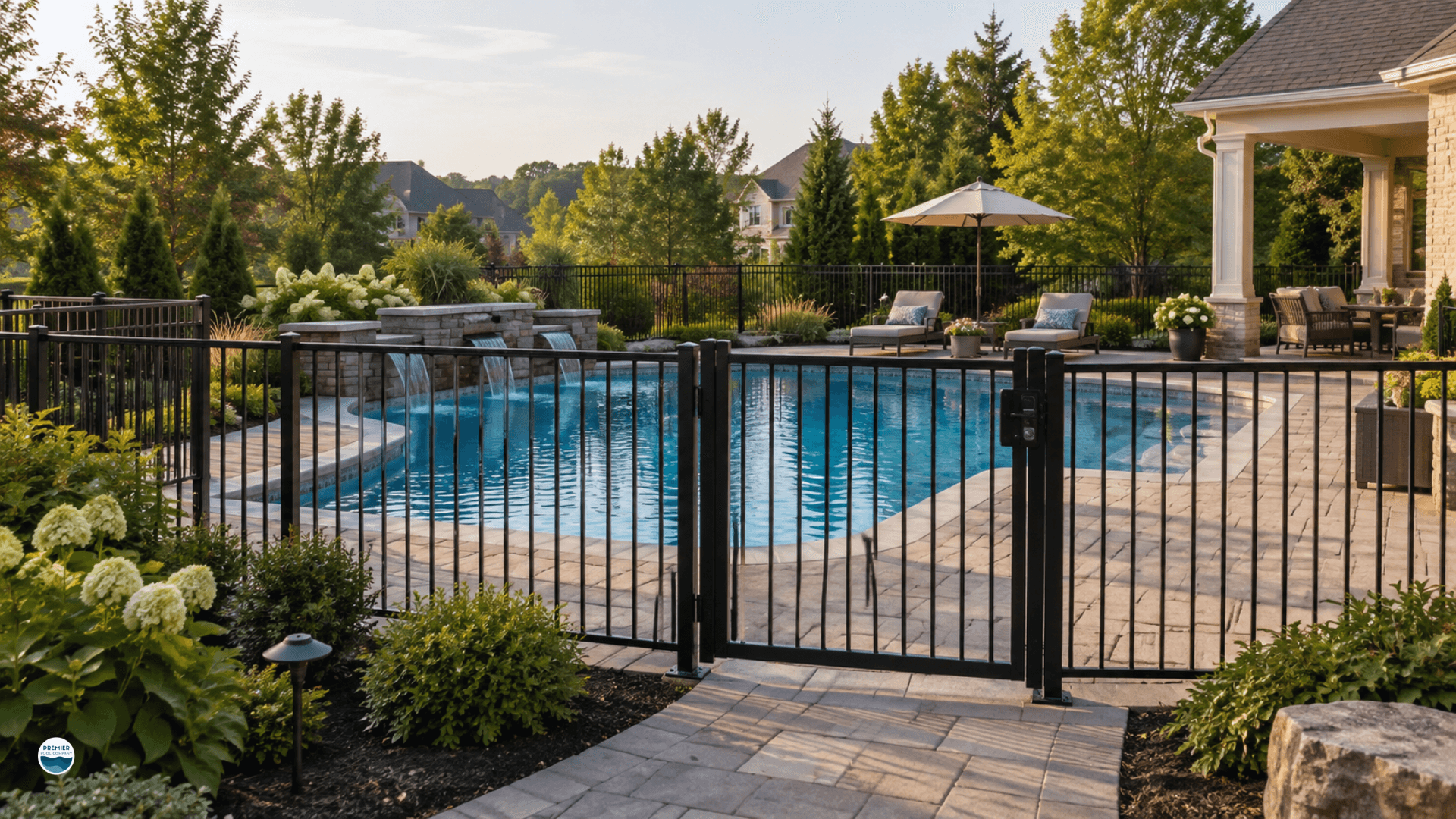
Pool Safety Regulations In Ohio - Everything You Need To Know
Learn Ohio pool safety regulations, including pool safety requirements, swimming pool fence rules, permits, gates, barriers, and local laws.

Aaron Lehner
Do Pools Add Value To A House In Ohio?
Do pools add value to a house in Ohio? Learn how pools affect resale value, appraisal, costs, buyer demand, and when an inground pool makes sense.